The Best Multivitamins for Men in 2026
The best multivitamins for men in 2026. Which nutrients men actually need, what to skip, how to read a label, and our researched top picks.


Affiliate disclosure: This article contains affiliate links. As an Amazon Associate we earn from qualifying purchases, at no extra cost to you. Learn more.
◆ The verdict
4 reviewed- 1Our PickOptimum Nutrition Opti-Men Daily Multivitamin for Men, 240 CountCheck price ▸
- 2Best ValueGarden of Life Multivitamin for Men - mykind Organic Men's Once Daily Whole Food Vitamin Supplement Tablets, Vegan, 60 CountCheck price ▸
- 3Best Iron-FreeNature Made Multivitamin for Him, No Iron, 90 TabletsCheck price ▸
- 4Budget PickOne A Day Men's Multivitamin, Supplement with Vitamin A, Vitamin C, Vitamin D, Vitamin E and Zinc for Immune Health Support, B12, Calcium & more, 200 countCheck price ▸
Walk down the supplement aisle and you will see shelf after shelf of bottles promising more energy, better focus, and a stronger immune system. For a lot of men, a daily multivitamin feels like the simplest place to start. It is one pill, it covers a long list of nutrients, and it gives you the reassuring sense that you have your bases covered. That instinct is not wrong, but it is worth slowing down before you commit to a bottle.
A multivitamin is best understood as insurance, not a magic upgrade. It can quietly fill the small gaps that show up when life is busy and meals are not always balanced. What it cannot do is replace real food, undo a poor diet, or turn an average routine into peak health. The research on multivitamins is genuinely mixed: they reliably correct deficiencies, but the evidence that they prevent heart disease, cancer, or early death in already well-nourished people is weak.
This guide walks through who actually benefits from a men's multivitamin, the nutrients men most often fall short on, the ones to watch, and how to read a label so you can tell a thoughtful formula from clever marketing. A multivitamin is also one of the building blocks in our complete guide to supplements for healthy aging, since it recently earned real evidence for modestly supporting cognition in older adults. None of this is medical advice, and your own situation may call for something different, so loop in a doctor before making big changes.
Do Men Actually Need a Multivitamin?
For a healthy man eating a varied diet with plenty of vegetables, fruit, whole grains, protein, and a little fat, the honest answer is often no. Food delivers nutrients in forms your body handles well, alongside fiber and compounds no pill can copy. If your plate already looks reasonable most days, a multivitamin is a modest backstop rather than a turning point.
That said, plenty of men do not eat that ideal diet, and some groups stand to gain more than others. You may benefit if you skip meals, travel constantly, eat a lot of processed or fast food, or follow a restrictive eating pattern such as a vegan or very low-calorie diet. Older men absorb certain nutrients less efficiently as they age. Men who drink heavily, smoke, take medications that interfere with absorption, or live with digestive conditions like celiac or Crohn's disease are also more likely to have real gaps.
The point is not to scare you onto a supplement. It is to be honest that a multivitamin earns its place when your diet leaves holes, and it does relatively little when your diet is already solid. If you are unsure where you stand, a simple conversation with your clinician, and occasionally a blood test, beats guessing.
Key Nutrients Men Commonly Fall Short On
Some nutrients show up again and again on the short list of things men do not get enough of. Knowing them helps you judge whether a given formula is actually useful.
Vitamin D is the most common shortfall, especially for men who spend their days indoors, live in northern climates, or have darker skin. It supports bone strength, muscle function, and immune health. Many multivitamins include a meaningful dose, but if your levels are low your doctor may suggest more than a multivitamin provides.
Magnesium is involved in hundreds of processes, from muscle and nerve function to energy production and sleep. Diets heavy in refined foods tend to run low. One catch: magnesium is bulky, so multivitamins often include only a token amount, and a separate supplement may make more sense if you are short.
Vitamin B12 matters for nerves, red blood cells, and energy. Men who eat little or no animal food, and many men over 50 who absorb it less well, are the most likely to fall short. A multivitamin is an easy way to cover this base.
Zinc supports immune function, wound healing, and testosterone metabolism. It is found in meat and shellfish, so men eating mostly plant-based diets are more prone to low intake. Useful in modest amounts, but more is not better here.
Other nutrients worth a glance include folate, vitamin B6, and the antioxidant vitamins A, C, and E. A good men's formula covers these without megadosing any single one.
Nutrients to Go Easy On
More is not always better, and a few nutrients deserve restraint rather than enthusiasm.
Iron is the clearest example. Most men, unlike menstruating women, do not lose much iron and can accumulate too much over time. Excess iron is linked to organ stress and, in men with the genetic condition hemochromatosis, can be genuinely harmful. This is exactly why many products are labeled as men's or "iron-free" formulas. Unless a doctor has diagnosed you with low iron, a men's multivitamin without much iron is the safer default.
Fat-soluble vitamins A, D, E, and K are stored in the body rather than flushed out, so very high doses can build up. The amounts in a standard multivitamin are fine, but stacking several supplements that each contain them can push you into excess. The same caution applies to calcium and zinc at high doses. If you take multiple supplements, add up what they contain rather than looking at each in isolation.
How to Read a Supplement Label
The Supplement Facts panel tells you almost everything you need, once you know what to look for. Start with the serving size, because some products require two, three, or even four pills a day to deliver what the front of the bottle advertises. A "complete" multivitamin that takes four tablets is a different commitment than a true once-daily.
Next, scan the % Daily Value column. You generally want most nutrients sitting somewhere around 100 percent, not 1,000 percent. Sky-high percentages are often a marketing flourish; your body simply excretes the excess of water-soluble vitamins like C and the B group, and stores the fat-soluble ones you do not need. Look specifically at the iron line and confirm it is low or absent if that suits you.
Pay attention to the forms of nutrients, too. Methylcobalamin or cyanocobalamin for B12, vitamin D3 rather than D2, and chelated minerals such as magnesium glycinate or zinc citrate tend to be well absorbed. Finally, glance at the "other ingredients" line for unnecessary fillers, dyes, and added sugars, and check for any allergens that matter to you.
How to Choose a Quality Multivitamin
Once you can read a label, choosing well comes down to a few practical filters.
Look for third-party testing. Supplements are loosely regulated, so independent verification is your best assurance that what is on the label is in the bottle. Seals from USP, NSF, or NSF Certified for Sport mean a product has been tested for content and contaminants. That last seal is worth seeking out if you compete in tested sports.
Favor bioavailable forms over the cheapest option, using the label cues above. A slightly pricier formula that uses D3 and chelated minerals can be a better value than a bargain bottle your body absorbs poorly.
Match the formula to your life stage. A men's multivitamin in your 50s or 60s often skips iron, leans harder on B12 and vitamin D, and sometimes adds nutrients for prostate or heart health. Younger, very active men may prefer a formula with B vitamins for energy metabolism, though be wary of products that fold in caffeine or stimulants, which belong in a separate decision.
Keep it simple and sustainable. The best multivitamin is one you will actually take, that fits your budget, and that does not overload you with megadoses. Skip the proprietary blends that hide amounts behind a single number, and be skeptical of dramatic promises. A calm, well-rounded formula from a reputable maker beats a flashy one almost every time. In our own picks we leaned toward iron-conscious, third-party-tested formulas for exactly these reasons.
Do Multivitamins Give You More Energy?
Not directly. Vitamins do not contain calories, which is where energy actually comes from. What a multivitamin can do is correct a deficiency, such as low B12 or iron, that was leaving you fatigued. If you feel a real lift after starting one, you were probably short on something. For most well-fed men, the energy boost is subtle or absent.
Should Men Take a Multivitamin with Iron?
Usually not. Most men do not lose iron the way menstruating women do, and excess iron can accumulate and cause harm over time. That is why so many men's formulas are low in iron or iron-free. The exception is a documented deficiency, which a doctor can confirm with a blood test before recommending a supplement that contains it.
What Is the Best Time of Day to Take a Multivitamin?
Take it with a meal that contains some fat, since fat-soluble vitamins A, D, E, and K absorb better that way. Beyond that, the most important factor is consistency, so choose a time you will remember. Many men find breakfast or lunch easiest. If a product upsets your stomach, taking it with more food usually helps.
Can a Multivitamin Replace a Healthy Diet?
No, and it is not designed to. Whole foods provide fiber, protein, healthy fats, and thousands of beneficial compounds that no pill reproduces. A multivitamin fills small gaps; it cannot offset a diet built on processed food. Think of it as a backstop behind good eating, not a substitute for it.
The Bottom Line
A men's multivitamin is a low-cost, low-drama way to cover nutritional gaps, and for men with imperfect diets, restrictive eating patterns, or the absorption changes that come with age, it can be genuinely worthwhile. For men who already eat well, the benefit is smaller and easier to overstate. Either way, food comes first.
If you do buy one, favor a third-party-tested formula with sensible doses, well-absorbed nutrient forms, and little or no iron, matched to your age and lifestyle. Then keep your expectations grounded: a multivitamin is a quiet helper, not a transformation. And because your needs depend on your own health, medications, and bloodwork, treat this as a starting point and talk with a clinician before adding any supplement to your routine. To see how a multivitamin fits alongside the other supplements worth considering as you age, explore our best supplements for healthy aging.
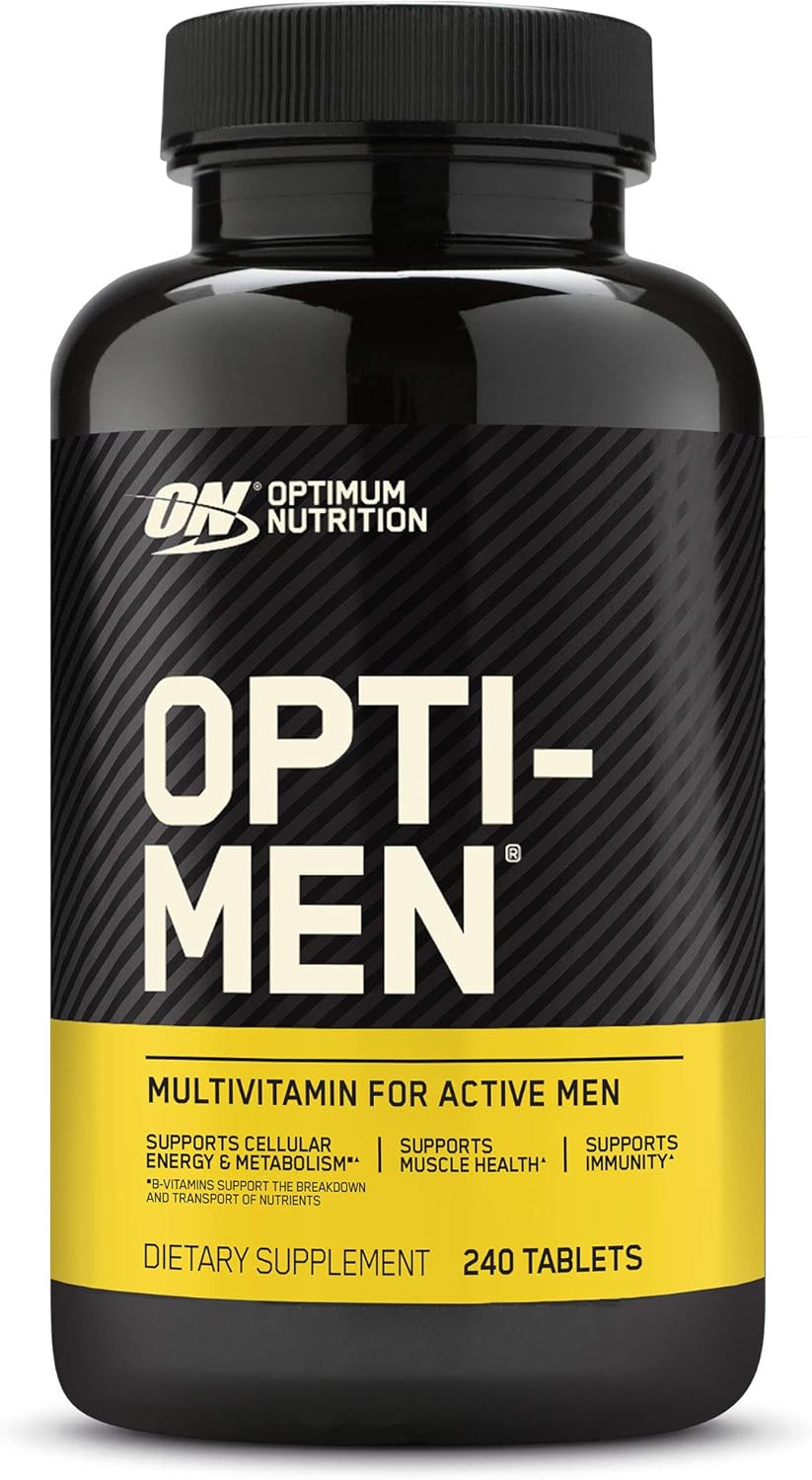
Optimum Nutrition Opti-Men Daily Multivitamin for Men, 240 Count
Optimum Nutrition Opti-Men is a high-potency daily multivitamin formulated for active men. It packs more than 75 ingredients across four performance blends, including 25 vitamins and minerals, 1 gram of free-form amino acids, and 1,500 IU of vitamin D. The bottle contains 240 tablets.
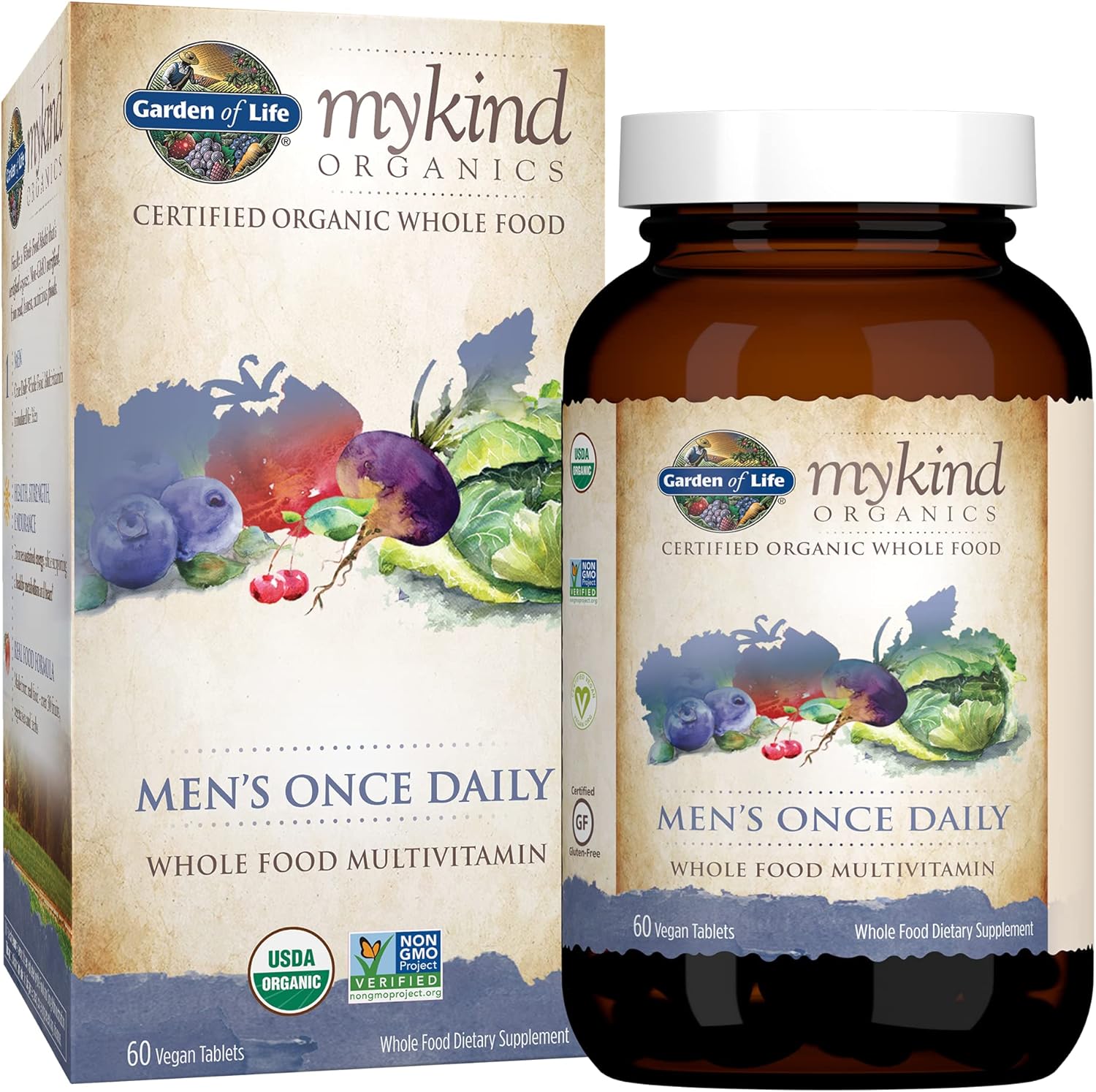
Garden of Life Multivitamin for Men - mykind Organic Men's Once Daily Whole Food Vitamin Supplement Tablets, Vegan, 60 Count
Garden of Life mykind is a once-daily, vegan, gluten-free, and non-GMO whole-food multivitamin that delivers 15 vitamins and minerals at 100% DV or greater. It includes D3 from lichen, B vitamins for energy, selenium for prostate support, and 300% DV of vitamin B12, with no artificial binders or fillers. The bottle contains 60 tablets.
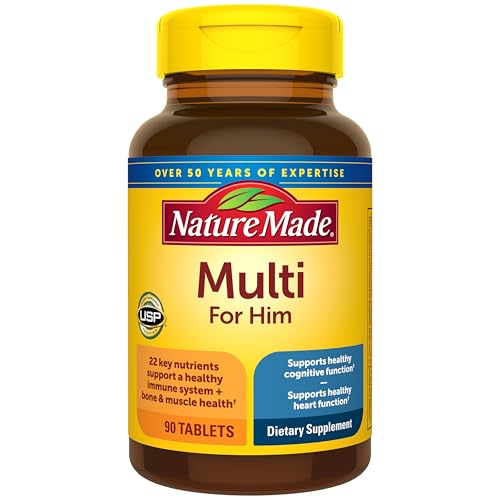
Nature Made Multivitamin for Him, No Iron, 90 Tablets
Nature Made Multivitamin for Him is a once-daily formula built specifically around men's needs, with no added iron — the smart default for most men, who rarely need extra iron. It supplies vitamin D, zinc, B vitamins, magnesium, and more for daily nutritional support, and the bottle holds a 90-day supply. Nature Made is USP Verified and the #1 pharmacist-recommended vitamin brand.

One A Day Men's Multivitamin, Supplement with Vitamin A, Vitamin C, Vitamin D, Vitamin E and Zinc for Immune Health Support, B12, Calcium & more, 200 count
One A Day Men's Health Formula is a complete daily multivitamin targeting men's key concerns, including immune, heart, and blood pressure health. It supplies nutrients such as riboflavin, thiamin, niacin, and vitamins A, B6, C, D, E, and K, and is free of gluten, wheat, dairy, artificial colors, and artificial sweeteners. The bottle contains 200 tablets, taken one daily with food.
Keep reading

What Vitamins Help Fight Aging?
What vitamins help fight aging? A clear, evidence-based rundown of the vitamins that matter most as you age — vitamin D, B12, C, K2 and more — and how to get them.

Vitamin D3: Why It Matters and the Best Supplements to Take
Vitamin D3 explained: why it matters for bones, immunity, and mood, how much to take, and the best D3 supplements to choose from in 2026.

Best Collagen Supplements for Skin & Joints
The best collagen supplements for aging skin and joints in 2026: what the research shows, how to choose collagen peptides, and our researched top picks.