Best TENS & EMS Units for Muscle Pain & Recovery
The best TENS and EMS units for muscle pain and recovery: how they work, what the evidence shows, how to use them safely, and our top picks.

Affiliate disclosure: This article contains affiliate links. As an Amazon Associate we earn from qualifying purchases, at no extra cost to you. Learn more.
◆ The verdict
4 reviewed- 1Our PickTENS 7000 Digital TENS Unit with AccessoriesCheck price ▸
- 2Best ValueAUVON Dual Channel TENS Unit, RechargeableCheck price ▸
- 3Best TENS + EMS ComboAVCOO 3-in-1 TENS Unit & EMS Muscle StimulatorCheck price ▸
- 4Best 4-ChannelMed-Fit 906A 4-Channel TENS + EMS ComboCheck price ▸
TENS and EMS units promise drug-free relief from muscle and joint pain using nothing but gentle electrical pulses — and for a modest price, they are worth understanding. But the two technologies do different things, the evidence is more mixed than the marketing suggests, and using them well takes a little knowledge. This guide explains how they work, what the research actually shows, how to use them safely, and which units we would choose.
For where electrical stimulation fits among other options, see our complete guide to muscle recovery and mobility tools.
TENS vs. EMS: What's the Difference?
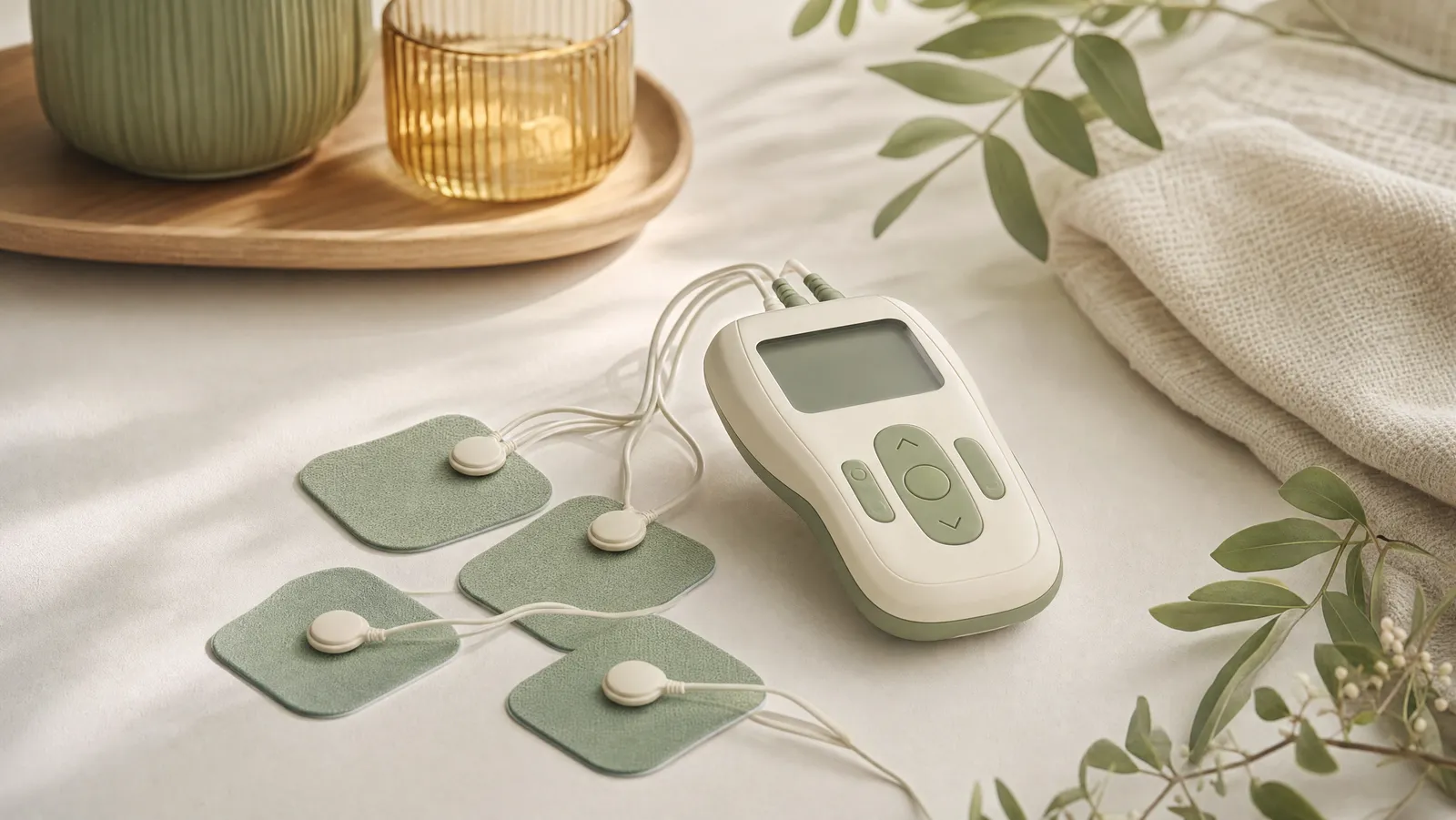
The two are often bundled together but serve distinct purposes. TENS (transcutaneous electrical nerve stimulation) targets your nerves to modulate pain signals — the gentle tingling is thought to work via a "gate control" effect, essentially crowding out pain messages to the brain, and possibly by encouraging the release of the body's own pain-relieving chemicals. It is used to manage pain, not to exercise muscles.
EMS (electrical muscle stimulation) targets the muscles directly, causing them to contract. It is used for muscle conditioning, activation, and rehabilitation. Many modern units combine both. The key thing to understand is that EMS is not a shortcut to fitness — it can supplement rehab and activation, but it does not replace real strength training, which remains essential, especially as you age (a point we cover in our guide to resistance bands for mobility).
What the Evidence Shows
Here honesty matters. TENS is safe and inexpensive, and many people find it genuinely helps their pain — but the formal evidence is humbling. A large overview of Cochrane reviews concluded that, because of the low quality of existing trials, it is not possible to confidently state whether TENS relieves pain better than sham treatment. That does not mean it does not work; it means the research is not strong enough to say for sure, and individual responses vary a lot.
The practical takeaway: TENS is a low-risk, drug-free option that is reasonable to try, especially for chronic aches, with the understanding that it may help you a lot, a little, or not at all. Because it is safe and inexpensive, the downside of trying is small. Just treat bold claims of guaranteed relief with skepticism, and see it as one tool among many rather than a cure.
How to Choose a TENS/EMS Unit
A few features matter. Decide whether you want TENS only (pain relief) or a combo unit with EMS for muscle work — combos offer more flexibility for a little more money. Channels determine how many areas you can treat at once: dual-channel suits most people, while four-channel units cover larger or multiple regions. Look for adjustable intensity and preset modes, a rechargeable battery for convenience, and easy controls. Finally, factor in pad cost and availability, since electrode pads are consumable and need periodic replacement.
Our Top TENS/EMS Picks
Our overall pick, the TENS 7000, is the proven over-the-counter standard — powerful, simple, and trusted in clinics and homes for drug-free pain relief. For a rechargeable, budget-friendly option, the AUVON Dual Channel is an easy value choice. If you want both pain relief and muscle stimulation, the AVCOO 3-in-1 combines TENS and EMS with generous modes and pads, and the four-channel Med-Fit 906A is the pick for treating larger or multiple areas at once.
How to Use a TENS Unit Safely
Start low and go slow: place the electrode pads around (not directly on) the painful area, begin at the lowest intensity, and increase gradually to a strong but comfortable tingling — never to the point of pain. Sessions typically run 15 to 30 minutes. Keep skin clean and replace pads when they lose stickiness.
Safety matters here. Do not use TENS/EMS if you have a pacemaker or other implanted electronic device, and avoid placing pads over the front of the neck, the chest near the heart, broken or irritated skin, or during pregnancy without medical guidance. If you have epilepsy, heart problems, or any implanted device, talk to your doctor first. We cover device and supplement safety more broadly in our healthy-aging resources.
Does a TENS Unit Actually Work for Muscle Pain?
Many people get real relief from TENS, but the formal evidence is mixed and of low quality, so results vary from person to person. Because it is safe, drug-free, and inexpensive, it is a reasonable thing to try for nagging aches — just keep expectations realistic and view it as one option among several rather than a guaranteed fix. If pain is severe or persistent, see a clinician rather than relying on a device.
Is EMS the Same as a Workout?
No. EMS makes muscles contract and can support rehabilitation, activation, and recovery, but it does not replicate the full benefits of actual exercise, which also trains your heart, coordination, and nervous system. Think of EMS as a supplement to training, not a substitute. For building real strength and mobility as you age, resistance exercise remains essential.
The Bottom Line
TENS and EMS units are inexpensive, drug-free tools worth understanding: TENS modulates pain, EMS stimulates muscles, and many people find genuine relief even though the formal evidence is mixed. They are low-risk to try, with sensible safety precautions, and our top pick is the proven TENS 7000. Use them as one part of a broader approach that prioritizes movement, sleep, and the basics. See our complete guide to muscle recovery and mobility tools for the full toolkit. This article is general information only and not medical advice; do not use electrical stimulation if you have a pacemaker or implanted device without a doctor's guidance.

TENS 7000 Digital TENS Unit with Accessories
The TENS 7000 is the long-standing, widely recommended over-the-counter TENS unit, used in clinics and homes alike. It is a dual-channel device with strong, adjustable intensity and simple dial controls, sold with electrode pads and accessories — a no-nonsense, proven choice for drug-free pain relief.

AUVON Dual Channel TENS Unit, Rechargeable
A rechargeable dual-channel TENS unit with 20 modes and a compact, easy-to-use design from a popular brand. It comes with multiple electrode pads in two sizes and offers plenty of intensity for everyday aches at a budget-friendly price.

AVCOO 3-in-1 TENS Unit & EMS Muscle Stimulator
Combines TENS (pain relief) and EMS (muscle stimulation) in one rechargeable, dual-channel device with 32 modes and 40 intensity levels, plus 12 electrode pads and a storage case. A versatile pick if you want both pain modulation and muscle-conditioning programs.

Med-Fit 906A 4-Channel TENS + EMS Combo
A four-channel, rechargeable TENS and EMS combination unit that can drive more electrode pads at once for treating larger or multiple areas simultaneously. It targets both pain relief and muscle strengthening with a more capable, clinic-style feature set.
Keep reading
Best Muscle Recovery & Mobility Tools: The Complete Guide
The best muscle recovery and mobility tools, backed by evidence: what massage guns, foam rollers, compression and more actually do, and how to build a routine that keeps you moving.
Do Muscle Recovery Tools Actually Work?
Do muscle recovery tools actually work? An honest, evidence-based look at massage guns, foam rollers, compression boots and more — what helps, what's hype.
How to Speed Up Muscle Recovery
How to speed up muscle recovery, backed by evidence: the habits that actually matter (sleep, protein, movement), and where recovery tools genuinely help.