How to Speed Up Muscle Recovery
How to speed up muscle recovery, backed by evidence: the habits that actually matter (sleep, protein, movement), and where recovery tools genuinely help.

Affiliate disclosure: This article contains affiliate links. As an Amazon Associate we earn from qualifying purchases, at no extra cost to you. Learn more.
Whether you've pushed hard at the gym, spent a weekend in the garden, or simply feel like your body takes longer to bounce back than it used to, the question is the same: how do you recover faster? The internet is full of gadgets and shortcuts, but the truth is that the most powerful recovery tools are free, and the gadgets play a supporting role at best. This guide lays out what actually speeds muscle recovery, in order of impact, so you can spend your energy (and money) where it counts.
For the full set of tools that can help at the margins, see our complete guide to muscle recovery and mobility tools. Here we focus on the fundamentals first.
Recovery Starts With Sleep
If you do only one thing to recover faster, sleep more and better. Sleep is when the bulk of tissue repair happens — your body releases growth hormone, rebuilds muscle fibers, and consolidates the adaptations from your activity. Shortchange it, and recovery slows no matter what else you do.
Most adults need seven to nine hours, and consistency matters as much as quantity. If your sleep is unreliable, fixing it will do more for your recovery than any device on the market. Our complete guide to how to sleep better walks through the habits and environment changes that help — think of it as the most important recovery resource we have.
Feed Your Muscles: Protein and Nutrition
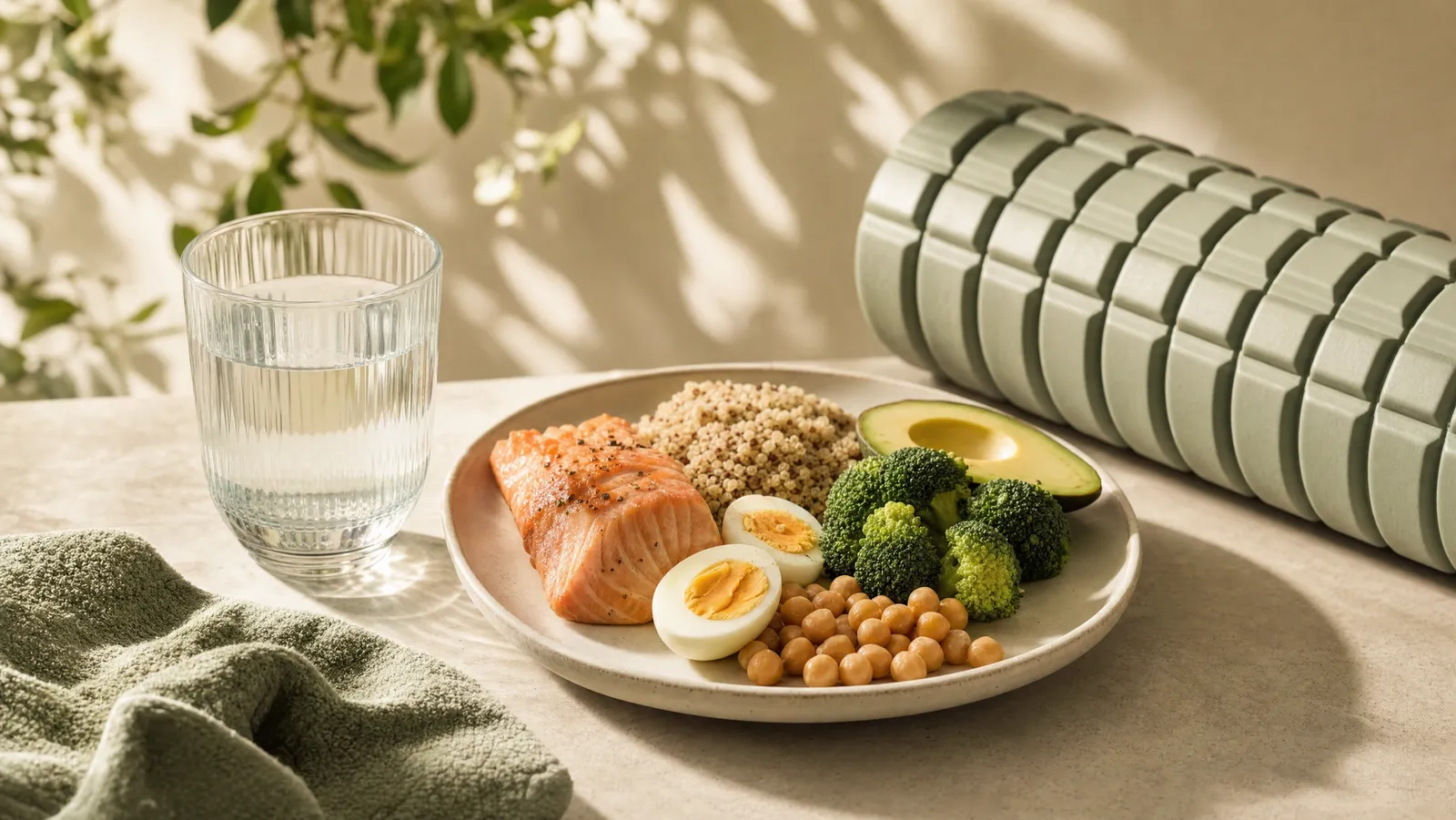
Muscle is rebuilt from protein, so getting enough is essential for recovery — and older adults often need more than they think. Many experts suggest aiming higher than the standard adult recommendation, spreading protein across meals so your body has a steady supply of building blocks. Good sources include lean meat, fish, eggs, dairy, beans, and a simple protein supplement if you fall short.
Beyond protein, overall nutrition matters: carbohydrates replenish energy stores, and a colorful, mostly whole-food diet supplies the vitamins and minerals tissue repair depends on. Hydration is part of the picture too, since even mild dehydration can leave muscles feeling worse. We cover the supplement side of healthy aging, including protein and key nutrients, in our guide to supplements for healthy aging.
Move to Recover (Active Recovery)
It seems counterintuitive, but gentle movement usually beats complete rest for recovery. Light activity — an easy walk, gentle cycling, swimming, or mobility work — promotes blood flow that helps deliver nutrients to muscles and clear the byproducts of exertion, often easing soreness more than sitting still.
The key word is gentle. Active recovery should feel easy, not like another workout. On the day after hard effort, a relaxed walk and some light stretching or band work can leave you feeling notably better. This is also where a daily mobility routine earns its keep — keeping you moving comfortably while your muscles rebuild.
Don't Overdo It: Smart Training
You cannot out-recover chronic overexertion. One of the most overlooked recovery strategies is simply not doing too much, too soon. Progressive, sensible increases in activity — rather than sudden spikes — give your body time to adapt and prevent the deep soreness and injury that come from overload. Building in rest days and varying intensity lets your muscles recover and grow stronger. Recovery, in other words, is built into smart training, not just bolted on afterward.
Where Recovery Tools Genuinely Help
With the fundamentals in place, recovery tools can give you a real, if modest, boost — mostly by easing soreness and improving short-term mobility, which keeps you comfortable enough to stay consistent. The best-studied options are foam rolling and percussion massage, both of which reduce soreness perception and improve range of motion; explore them in our guides to foam rollers and massage guns.
Heat eases stiffness and is genuinely soothing for achy muscles and joints (see our heating pad guide), while compression and other tools offer comfort benefits for some people. The honest framing: these tools make recovery more pleasant and help you keep moving, but they work best on top of sleep, nutrition, and sensible activity — not instead of them. For an evidence-based look at what each tool can and can't do, see do recovery tools really work.
How Long Does Muscle Recovery Take?
It depends on the intensity and your fitness, but everyday soreness typically peaks 24 to 72 hours after unfamiliar or hard effort and resolves within a few days. Mild soreness is normal and not a cause for concern. Recovery tends to take a little longer as we age, which makes the fundamentals — sleep, protein, gentle movement — even more important. Sharp pain, swelling, or soreness that lingers well beyond a week is different and worth getting checked.
Does Stretching Help With Recovery?
Gentle stretching and mobility work can ease the feeling of tightness and help maintain range of motion, which feels good and supports staying active. The evidence that stretching dramatically reduces soreness or speeds tissue repair is weak, so think of it as a comfort-and-mobility practice rather than a recovery accelerator. Light movement overall — including stretching as part of it — is more valuable than stretching alone.
What Is the Fastest Way to Recover After a Workout?
There is no single magic trick, but the highest-impact combination is simple: rehydrate, eat some protein, do light movement rather than collapsing on the couch, and prioritize good sleep that night. Recovery tools like a foam roller or heating pad can add comfort. Most of all, don't sabotage recovery by training too hard too often — consistency at a sustainable intensity beats heroic sessions followed by days of soreness.
The Bottom Line
The fastest way to speed muscle recovery is not a gadget — it is sleep, adequate protein, gentle movement, and sensible training. Get those right and you will recover well at any age. Recovery tools like foam rollers, massage guns, and heating pads are a genuine bonus that ease soreness and keep you comfortable, but they are the supporting cast. Build the fundamentals first, then layer the tools on top. For the full toolkit, see our complete guide to muscle recovery and mobility tools. This article is general information only and not medical advice.
Keep reading
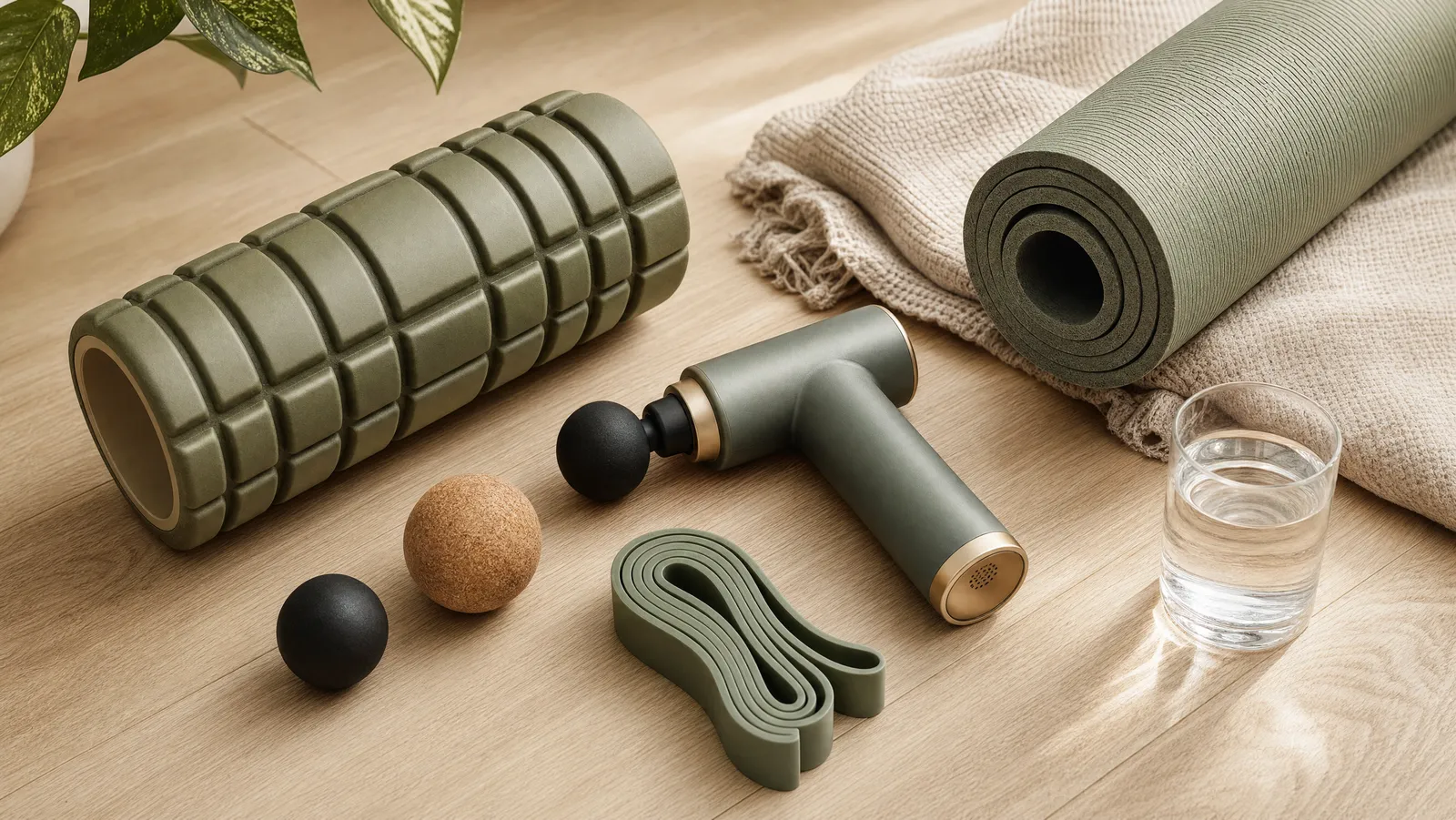
Best Muscle Recovery & Mobility Tools: The Complete Guide
The best muscle recovery and mobility tools, backed by evidence: what massage guns, foam rollers, compression and more actually do, and how to build a routine that keeps you moving.
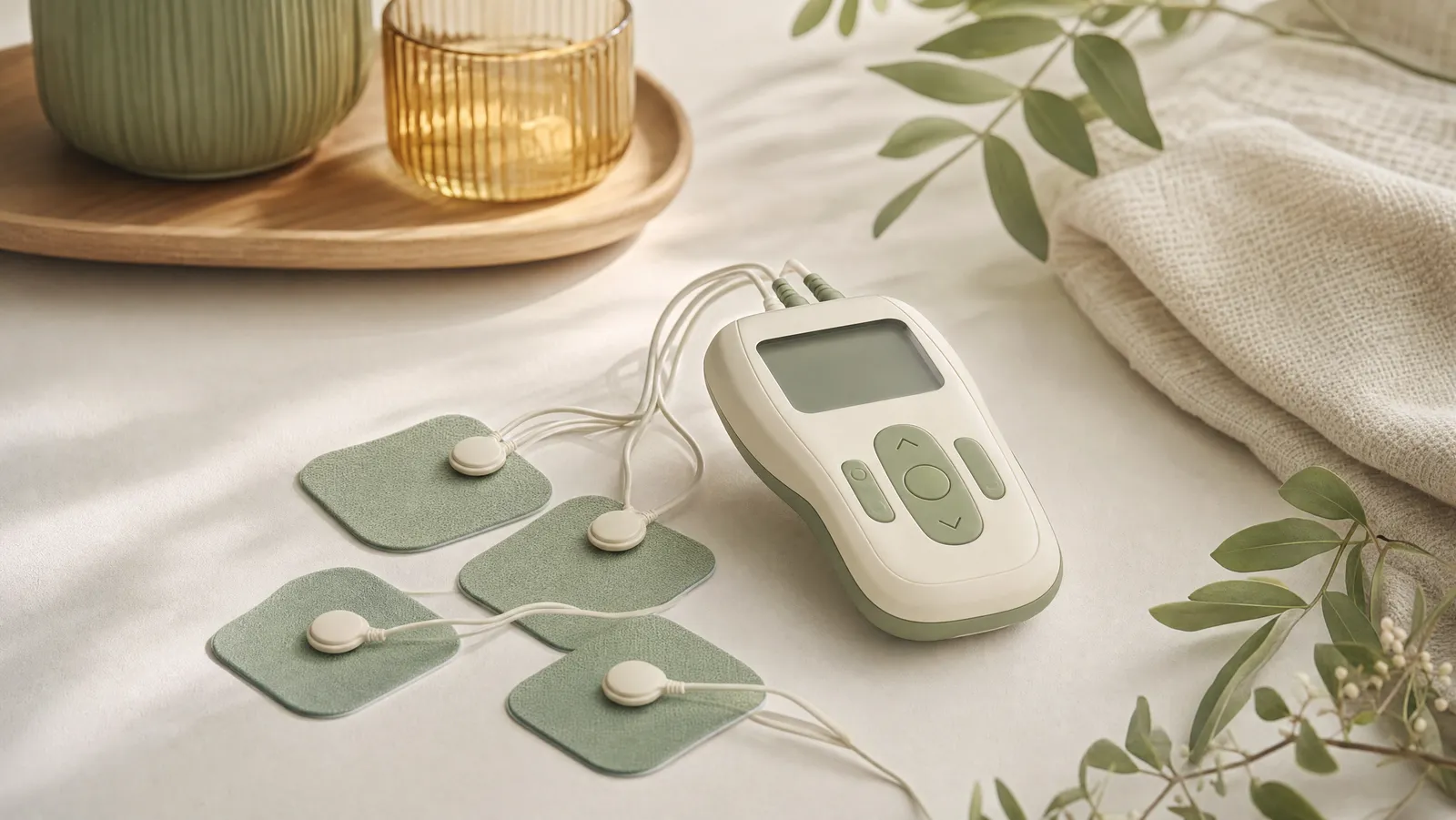
Best TENS & EMS Units for Muscle Pain & Recovery
The best TENS and EMS units for muscle pain and recovery: how they work, what the evidence shows, how to use them safely, and our top picks.
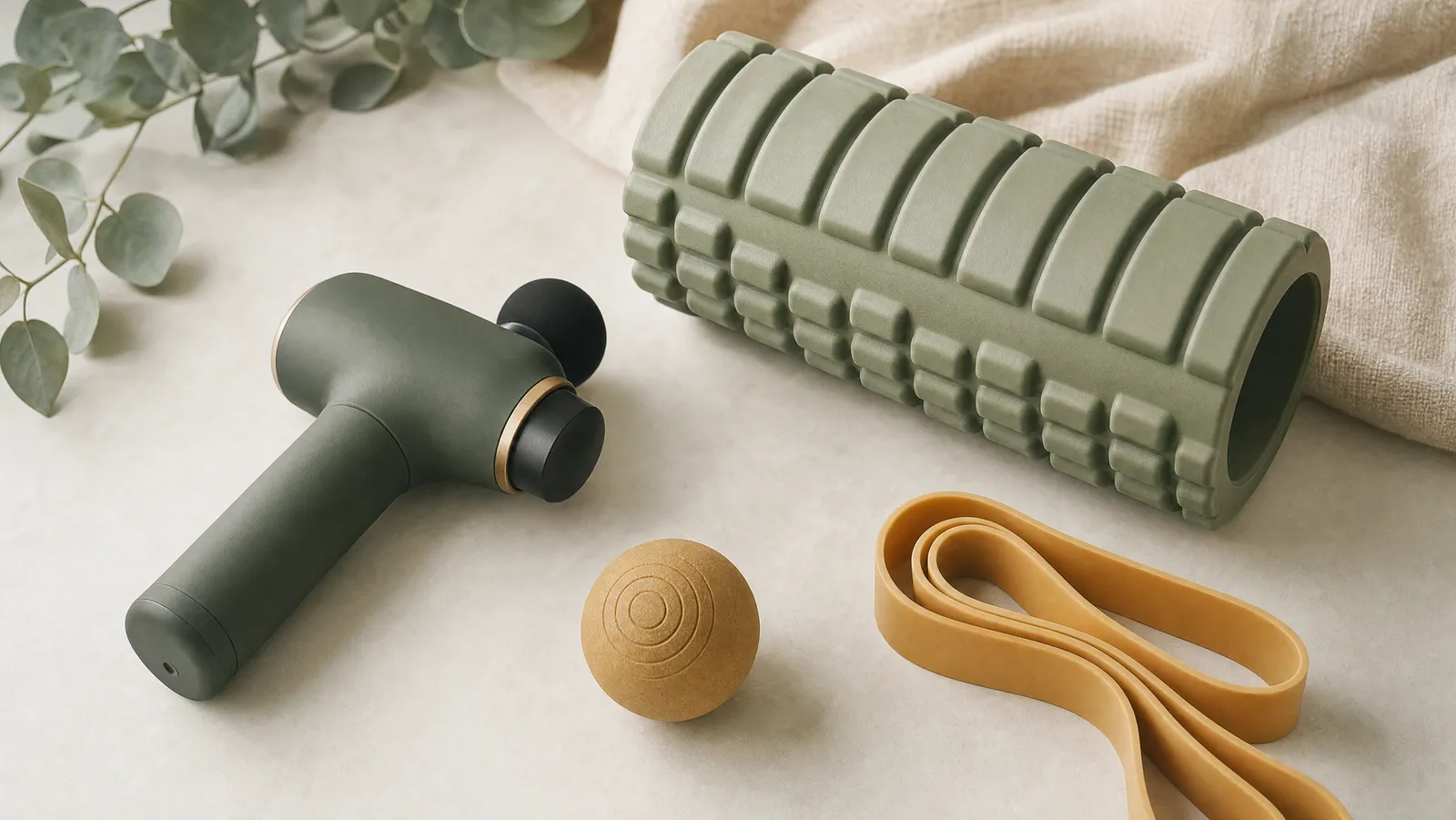
Do Muscle Recovery Tools Actually Work?
Do muscle recovery tools actually work? An honest, evidence-based look at massage guns, foam rollers, compression boots and more — what helps, what's hype.