Best Muscle Recovery & Mobility Tools: The Complete Guide
The best muscle recovery and mobility tools, backed by evidence: what massage guns, foam rollers, compression and more actually do, and how to build a routine that keeps you moving.

Affiliate disclosure: This article contains affiliate links. As an Amazon Associate we earn from qualifying purchases, at no extra cost to you. Learn more.
Staying active is one of the best things you can do for a long, healthy life — but the older you get, the more that depends on how well you recover between efforts and how freely your body moves. Stiff mornings, achy joints, and muscles that take days to bounce back are not just annoyances; left unaddressed, they quietly shrink the amount of movement in your life, and movement is the very thing that keeps you strong and independent. That is where recovery and mobility tools come in. This guide is the hub of our recovery series: it explains what these tools genuinely do, which are worth your money, and how to fold them into a simple routine that keeps you limber and moving for the long haul.
A grounding principle first: recovery tools are helpers, not heroes. The biggest drivers of recovery are sleep, nutrition, and sensible training — no gadget substitutes for those. But used well, a few well-chosen tools can ease soreness, restore range of motion, and make consistent activity far more comfortable. Below, we walk through the science, the main categories (each with a deeper guide), and how to put it all together. None of this is medical advice; treat it as a researched starting point.
Why Recovery and Mobility Matter More as You Age
In your twenties, you could abuse your body and bounce back by morning. With each passing decade, that resilience fades: muscles repair a little slower, connective tissue stiffens, and flexibility gradually declines. At the same time, the stakes get higher. Reduced mobility and strength are closely linked to falls — a leading cause of serious injury in older adults — and to the loss of independence that follows.
The encouraging flip side is that the body stays remarkably responsive to care at any age. Research robustly shows that resistance training improves strength, muscle mass, and physical function in older adults and may reduce fall risk. Regular mobility work preserves the range of motion that everyday life depends on. And good recovery practices let you train and move consistently instead of lurching between overexertion and aches. Recovery and mobility, in other words, are not vanity — they are the maintenance that keeps the engine of an active life running.
What Recovery Tools Can (and Can't) Do
It pays to be clear-eyed about the evidence, because the marketing in this category runs hot. The honest summary is that most recovery tools deliver modest, real, short-term benefits — particularly less soreness and better range of motion — but rarely the dramatic "healing" claimed on the box.
Take foam rolling: a dozen years of research support two solid claims — it improves short-term range of motion and modestly reduces the perception of muscle soreness — while evidence that it boosts actual performance is thin. Percussion massage guns show a similar pattern: studies find they can reduce delayed-onset soreness and temporarily improve range of motion, likely through vibration-based pain inhibition and a calming, parasympathetic effect, though many studies are small. Compression boots have moderate evidence for reducing soreness, with the strongest and most consistent finding being how much better recovery feels. The thread running through all of it: these tools genuinely help you feel and move better in the short term, which makes consistent activity easier — and that consistency is where the real, lasting benefit lives.
The Main Categories of Recovery & Mobility Tools
There is no single best tool — the right kit depends on your body, budget, and what bothers you most. Here is an overview of the main categories, each with a dedicated guide for going deeper.
Massage Guns (Percussive Therapy)
Handheld percussion devices hammer the muscle rapidly to ease tension, reduce soreness, and improve short-term mobility. They are versatile, fast, and easy to self-administer, which makes them many people's first recovery purchase. Power, amplitude, and noise vary widely. Our roundup of the best massage guns for muscle pain compares options from premium to budget.
Foam Rollers
The classic, affordable recovery tool. Rolling applies sustained pressure to muscles and fascia to release tension and restore range of motion, and it is one of the better-studied tools for exactly those outcomes. Densities and textures range from gentle to aggressive. See our guide to the best foam rollers for picks across firmness levels, and our beginner's walkthrough on how to use a foam roller.
Massage Balls & Trigger-Point Tools
Where foam rollers cover broad areas, small massage balls (and lacrosse-style balls) dig into specific knots — the shoulder blade, glute, or arch of the foot — that a roller glides over. They are cheap, portable, and excellent for pinpoint relief. Our guide to the best massage balls and trigger-point tools covers the options.
Compression Boots
Pneumatic compression boots inflate in sequence to squeeze the legs, aiming to flush fatigue and ease soreness. The evidence points to modest soreness reduction and a strong "my legs feel fresh" effect, making them popular with endurance enthusiasts and anyone on their feet all day. They are the priciest category here. Our guide to the best compression boots and leg massagers explains who they suit.
TENS & EMS Units
TENS units send gentle electrical pulses through the skin to modulate pain signals, while EMS stimulates muscle contractions. They are inexpensive, drug-free options for managing aches, though the research on TENS is mixed and best thought of as worth a try rather than a sure thing. Our guide to the best TENS and EMS units for muscle pain covers how to choose and use one safely.
Heating Pads & Heat Therapy
Sometimes the simplest tool is the most useful. Heat increases blood flow, relaxes tight muscles, and eases the stiffness that comes with age and arthritis — and meta-analyses find heat (like cold) meaningfully reduces muscle soreness. A good heating pad is cheap and genuinely helpful. See our picks for the best heating pads for muscle and joint pain.
Resistance Bands for Mobility
Recovery is not only passive. Light resistance bands are among the best tools for active mobility work, gentle strengthening, and the kind of joint-friendly exercise that keeps you limber — especially valuable as you age, given the strong evidence for resistance training in older adults. Our guide to the best resistance bands for mobility and stretching covers the options.
How to Build a Simple Recovery Routine
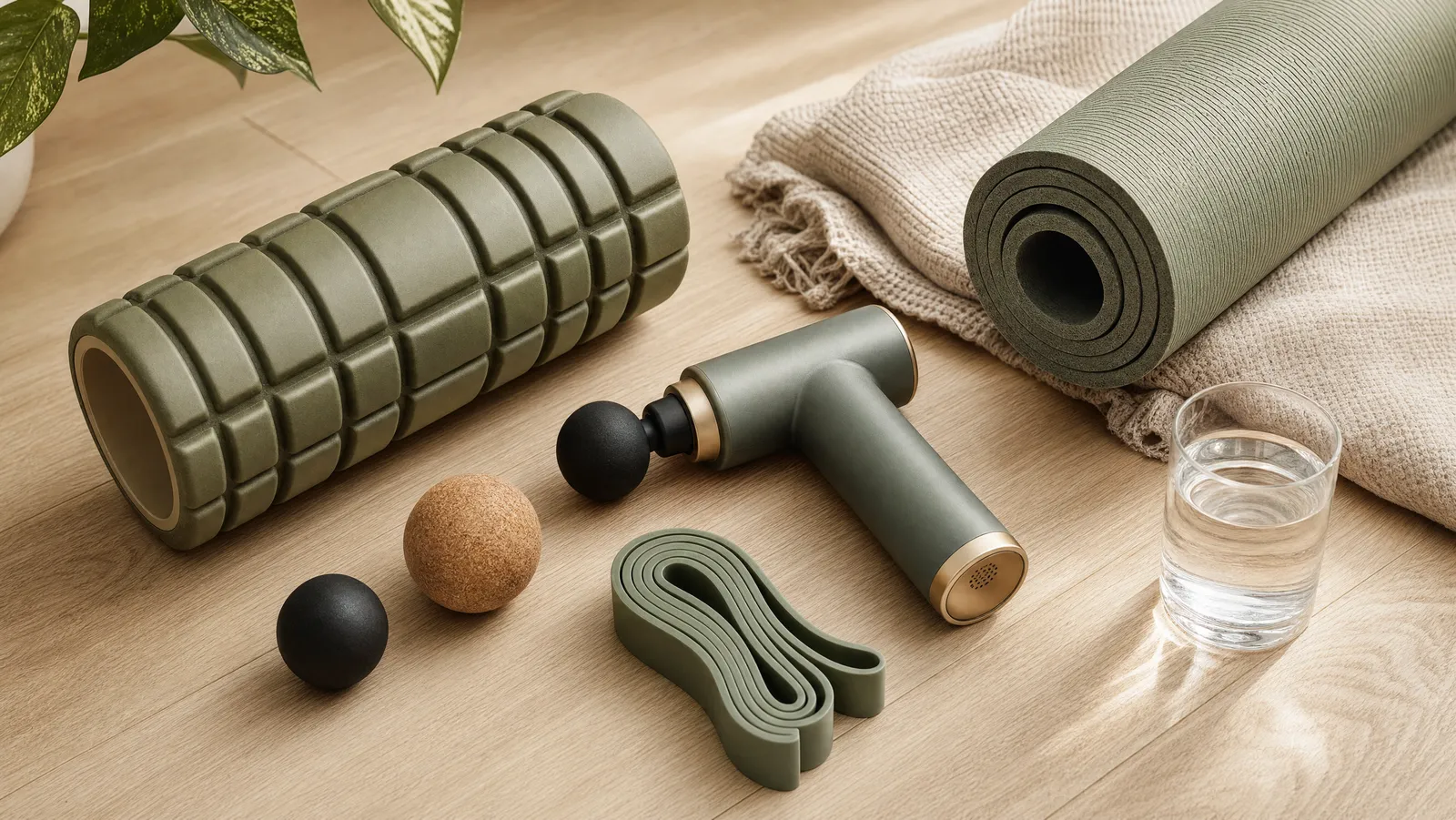
You do not need every tool, and you certainly do not need to spend hours. A practical routine starts with the basics: a few minutes of foam rolling or massage-gun work on tight areas after activity, gentle mobility or band work most days to maintain range of motion, and heat for stiff spots when you need it. Add targeted tools — a massage ball for a stubborn knot, compression for heavy legs — as specific needs arise.
The goal is consistency, not intensity. Five to ten minutes most days does far more than a marathon session once a month. For a fuller walkthrough, see our guides on how to speed up muscle recovery and a daily mobility routine for staying limber after 50.
What Actually Drives Recovery
Here is the part the gadget ads leave out: the most powerful recovery tools are not tools at all. Sleep is when the bulk of tissue repair happens, which is why protecting it is non-negotiable — our complete guide to how to sleep better is, in effect, a recovery resource. Adequate protein gives your muscles the raw materials to rebuild, and overall nutrition matters too, a topic we cover in our guide to supplements for healthy aging. And gentle movement — a walk, easy cycling, light mobility work — promotes recovery better than total rest.
Get sleep, protein, and sensible activity right, and recovery tools become a genuine bonus that makes everything more comfortable. Get them wrong, and no massage gun will save you. That order of operations matters.
Mobility and Aging
Recovery keeps you comfortable; mobility keeps you capable. The ability to squat down, reach overhead, and turn freely is what lets you garden, play with grandchildren, and stay independent — and it is exactly what tends to erode with age and inactivity. The good news is that mobility responds quickly to consistent attention. A few minutes of daily mobility work, supported by light resistance bands and the occasional roll-out of tight tissue, pays outsized dividends. We make the full case, with a routine, in our guide to mobility and aging.
What Are the Best Muscle Recovery Tools?
For most people, the highest-value starting kit is a foam roller and either a massage gun or a set of massage balls — affordable, well-studied tools that ease soreness and restore range of motion. From there, add a heating pad for stiff joints and a set of resistance bands for mobility. Pricier options like compression boots are worthwhile mainly for high-volume exercisers or those on their feet all day. Match the tool to your actual needs rather than buying everything at once.
Do Recovery Tools Actually Work?
Yes, modestly. The best evidence shows tools like foam rollers and massage guns reduce muscle soreness and improve short-term flexibility, and heat eases stiffness — real benefits that make staying active more comfortable. What they do not do is dramatically speed healing or replace sleep, protein, and sensible training. We dig into the evidence tool by tool in our honest look at whether recovery tools really work.
Should I Get a Massage Gun or a Foam Roller?
If you can only buy one, a foam roller is the better-value, better-studied starting point for broad muscle release and mobility — and it requires no charging. A massage gun is faster, easier on the hands, and better for targeted spots, which makes it a worthwhile upgrade or complement. Many people end up using both. We compare them directly in our guide to massage gun vs. foam roller.
How Can I Improve Mobility After 50?
Consistency beats intensity. A few minutes of daily mobility work — gentle stretches, joint circles, and light resistance-band exercises — preserves and improves range of motion, while regular strength work protects the muscle that supports your joints. Use recovery tools to stay comfortable enough to keep moving. Our daily mobility routine is a simple place to start.
The Bottom Line
Recovery and mobility tools will not turn back the clock, but used consistently they make an active life more comfortable — less soreness, freer movement, and the steady consistency that actually builds long-term health. Start with the well-studied basics (a foam roller and a massage gun or balls), add heat and resistance bands as needed, and reserve premium tools for genuine high-volume needs. Above all, anchor it on sleep, protein, and movement. Explore the linked guides to go deeper on any tool, and remember that the point of all of it is simply to keep you moving for years to come. This article is general information only and not medical advice; persistent pain deserves a clinician's evaluation.
Keep reading
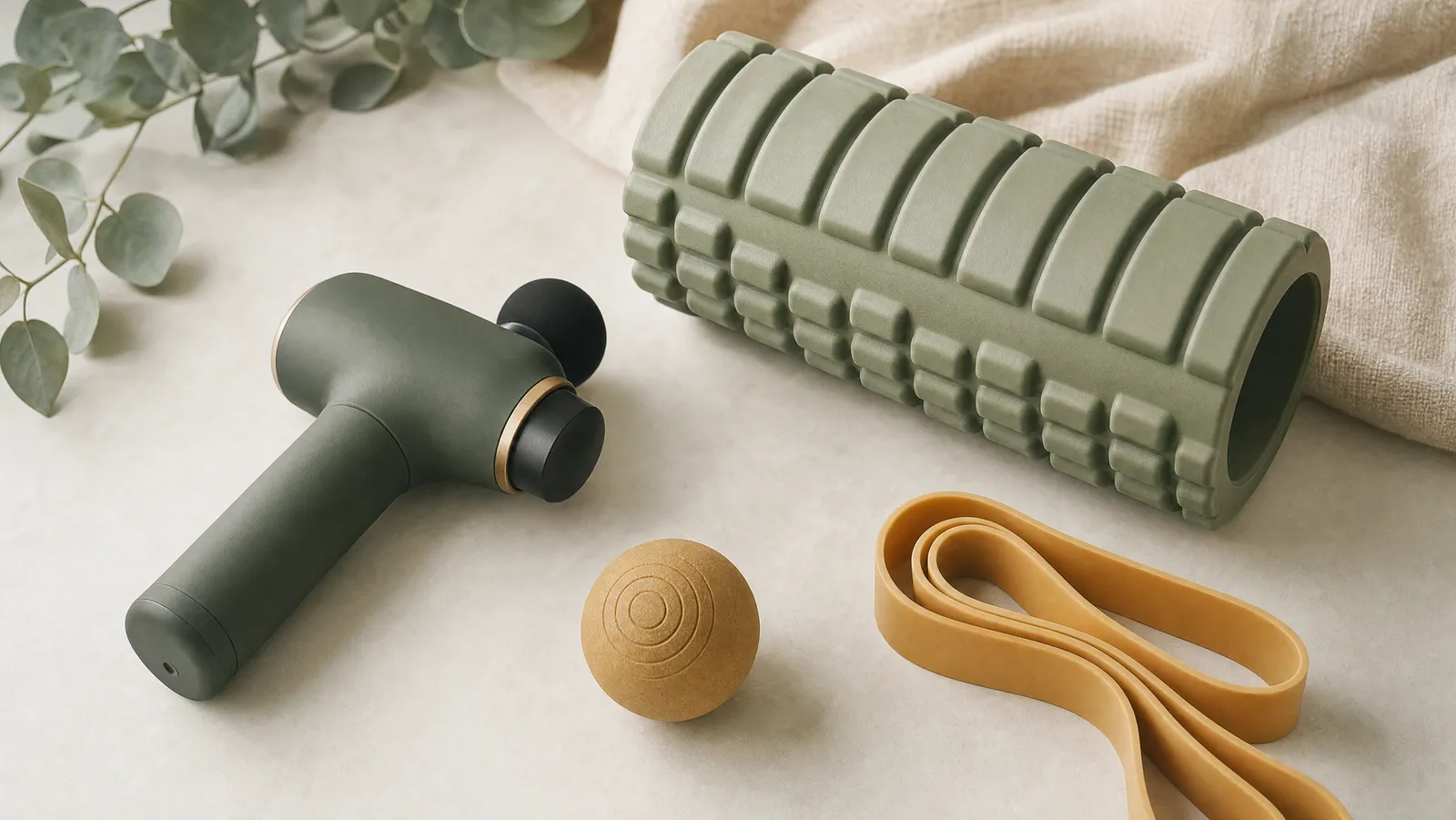
Do Muscle Recovery Tools Actually Work?
Do muscle recovery tools actually work? An honest, evidence-based look at massage guns, foam rollers, compression boots and more — what helps, what's hype.
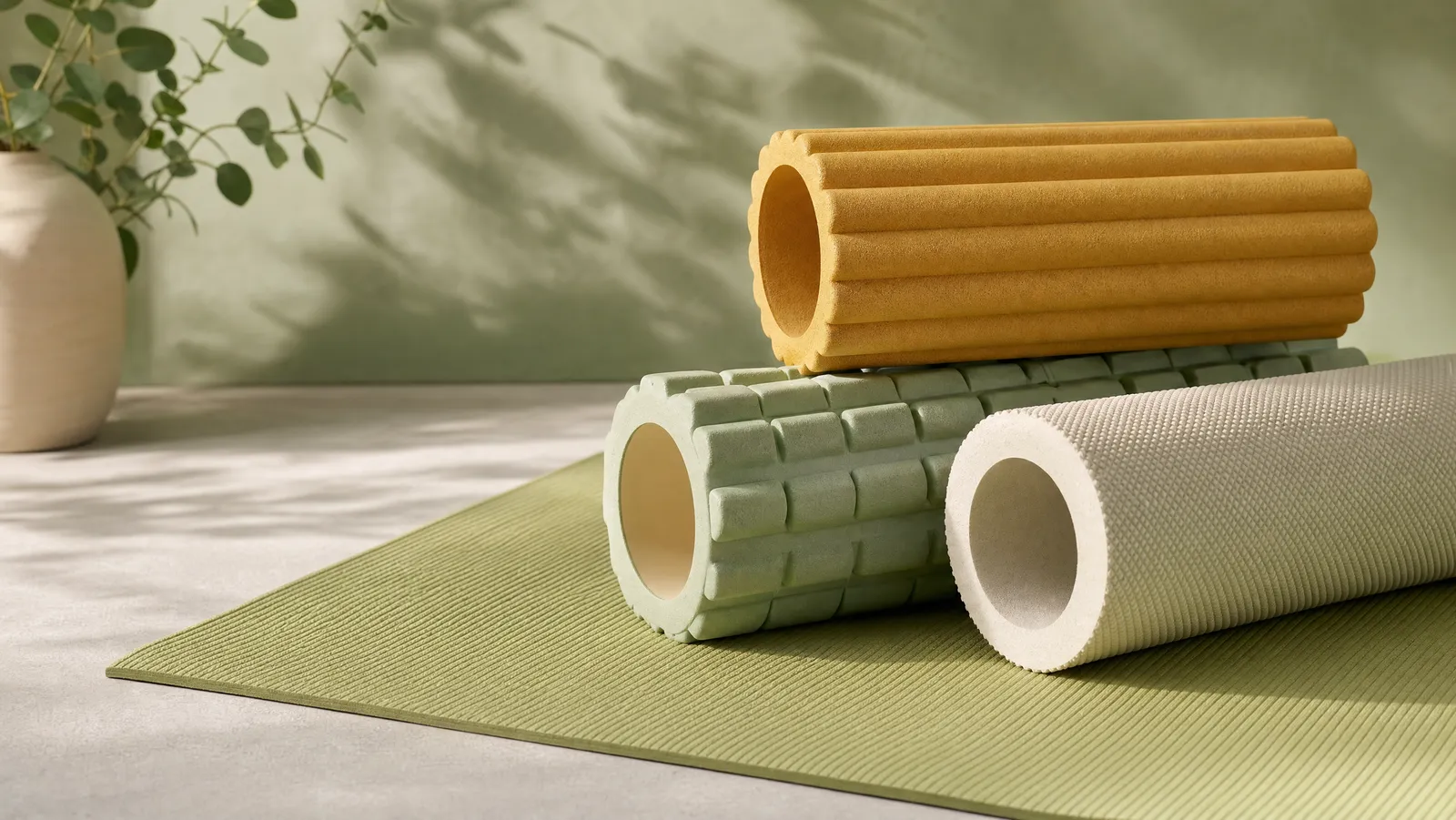
Best Foam Rollers for Recovery & Mobility
The best foam rollers in 2026: what the research says they actually do, how to pick the right density, and our top picks from gentle to deep-tissue.
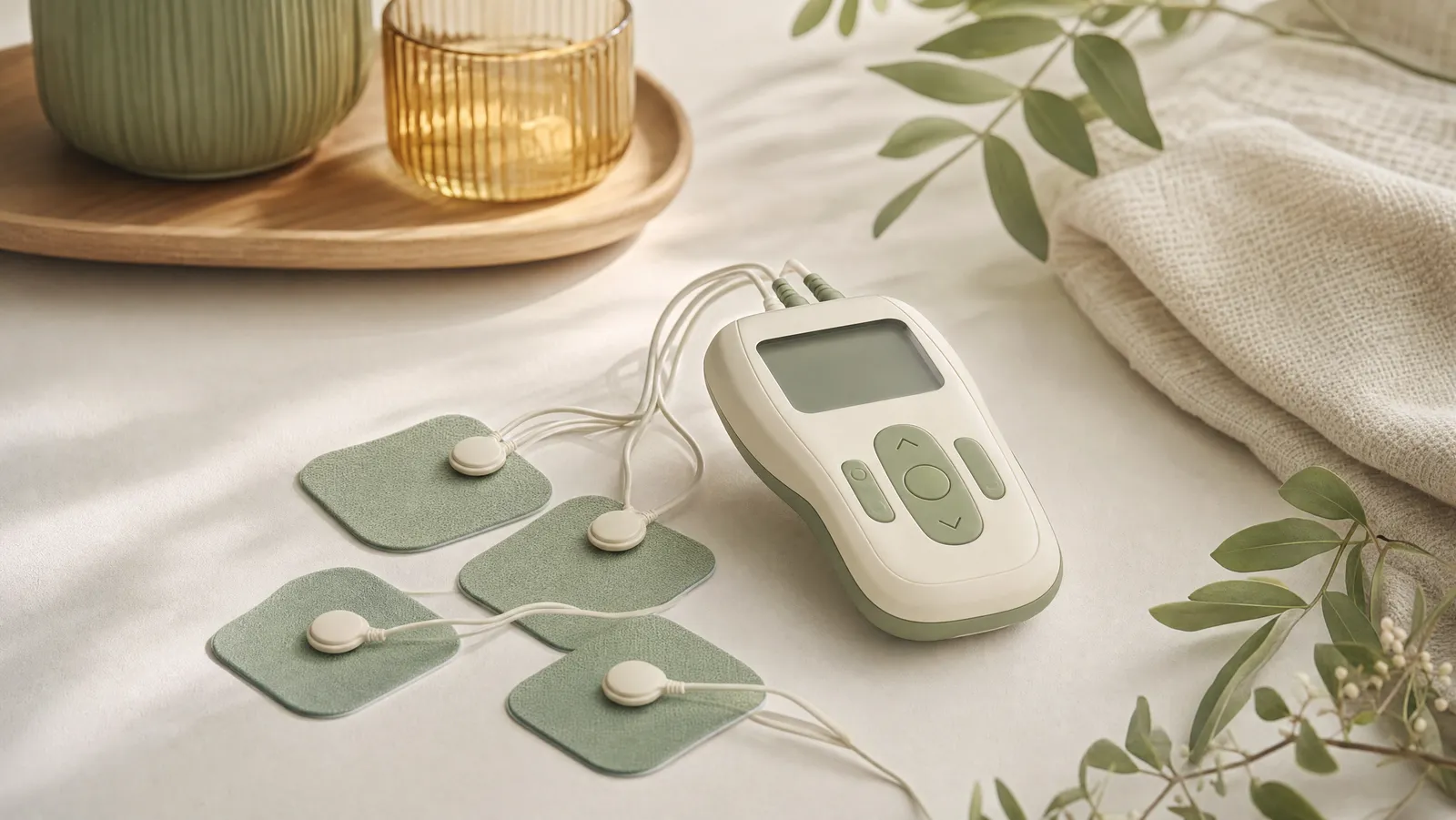
Best TENS & EMS Units for Muscle Pain & Recovery
The best TENS and EMS units for muscle pain and recovery: how they work, what the evidence shows, how to use them safely, and our top picks.