Best Resistance Bands for Mobility & Stretching
The best resistance bands for mobility, stretching, and gentle strength in 2026: why they're ideal as you age, how to choose, and our top picks.

Affiliate disclosure: This article contains affiliate links. As an Amazon Associate we earn from qualifying purchases, at no extra cost to you. Learn more.
◆ The verdict
3 reviewed- 1Our PickTribe Lifting Fabric Resistance Bands, 5-SetCheck price ▸
- 2Best ValueWALITO Fabric Resistance Bands, 3-SetCheck price ▸
- 3Best for Stretching & MobilityIron Infidel Pull-Up & Mobility Bands, 5-SetCheck price ▸
Not every recovery tool is something you lie on or press into a knot. Some of the most valuable are the ones that get you moving — and few do that better, or more affordably, than resistance bands. Light, portable, and endlessly versatile, bands are ideal for gentle strengthening, active mobility work, and the joint-friendly exercise that keeps you limber and capable as you age. This guide explains why bands deserve a place in your routine, how to choose them, and our top picks.
For where bands fit among other recovery and mobility tools, see our complete guide to muscle recovery and mobility tools.
Why Resistance Bands Are Ideal as You Age
Recovery is not only about passive relief — staying strong and mobile is what prevents the aches in the first place, and here the evidence is compelling. Research robustly shows that resistance training improves muscle strength, mass, and physical function in older adults, and may reduce the risk of falls — one of the biggest threats to independence later in life. The challenge is that heavy weights can feel intimidating or hard on the joints. That is exactly where bands excel.
Bands provide smooth, adjustable resistance that is gentle on the joints, with no heavy weights to drop and no gym required. They are perfect for the kind of controlled strengthening and mobility work that protects knees, hips, shoulders, and backs. They also assist stretching — using a band to gently deepen a hamstring or shoulder stretch makes mobility work more effective. For older adults especially, bands lower the barrier to the strength and mobility training that the research says matters most.
How to Choose Resistance Bands
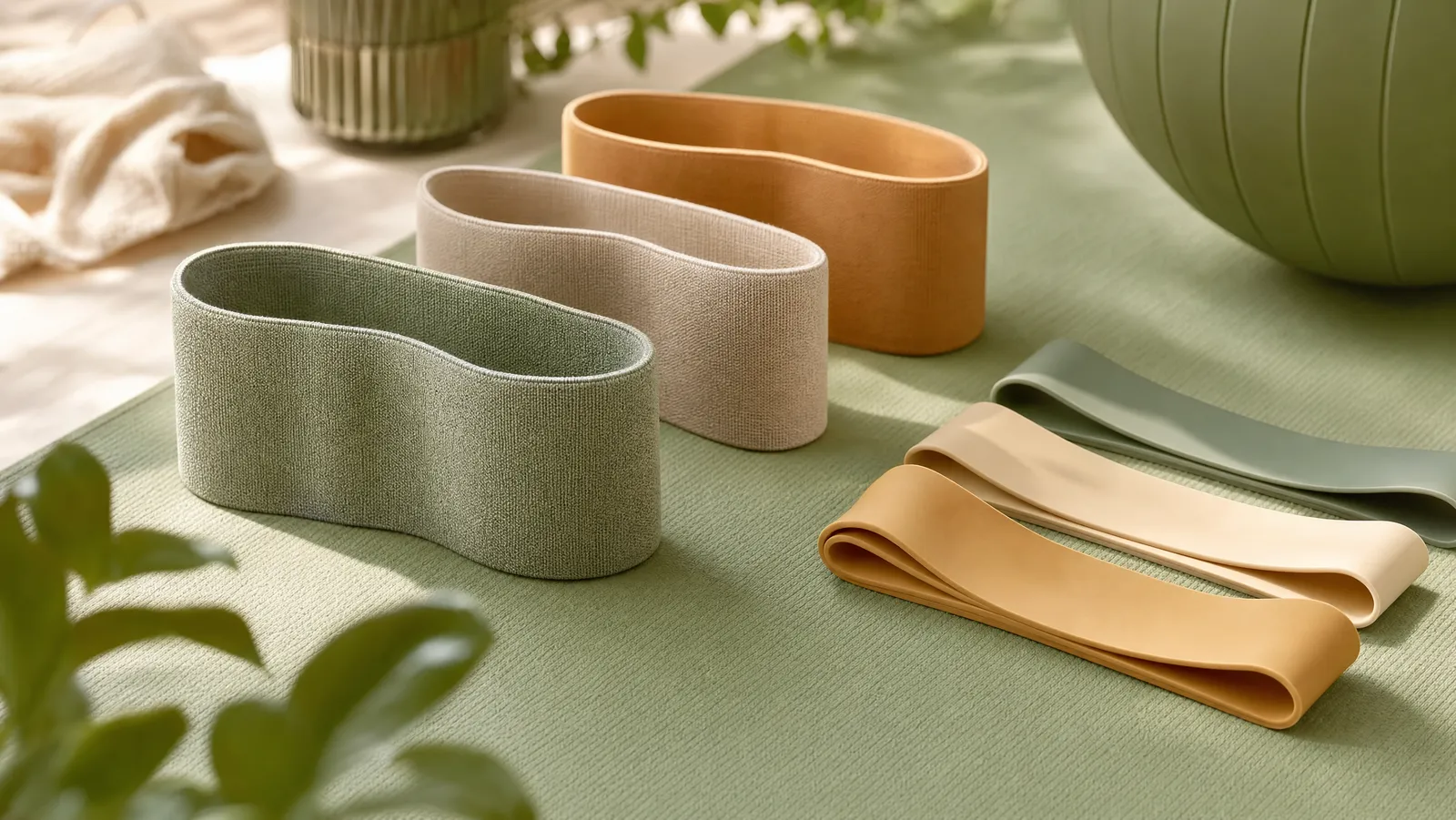
Bands come in a few forms, and the right one depends on your goals. Fabric loop bands are wide cloth loops that sit above the knee or around the legs — excellent for glute, hip, and lower-body work, and they don't roll or pinch. Long latex loop bands are bigger loops ideal for stretching, mobility drills, upper-body work, and assisted movements. Tube bands with handles suit pulling and pressing exercises that mimic weights. Many people benefit from having both a fabric set and a long loop set.
Whatever the style, look for a range of resistance levels so you can progress as you get stronger, durable material (layered or woven construction lasts far longer than cheap single-mold bands), and non-slip texture for comfort. A set that spans light to heavy gives you room to grow and lets you match the resistance to the exercise.
Our Top Resistance Band Picks
Our overall pick, the Tribe Lifting Fabric Resistance Bands, offers five non-slip cloth loops across a wide resistance range — ideal for joint-friendly lower-body and mobility work. For an inexpensive, beginner-friendly start, the WALITO three-band set is soft, non-slip, and comes with an exercise guide. And for stretching, shoulder and hip mobility, and full-body versatility, the long, durable Iron Infidel loop bands are the most adaptable choice.
Bands pair naturally with a daily mobility practice — see our daily mobility routine for staying limber after 50 — and with the broader case for keeping moving in our guide to mobility and aging.
How to Use Resistance Bands for Mobility
Start light and focus on control. For mobility, use bands to add gentle resistance to joint movements — shoulder pass-throughs, hip openers, ankle work — or to assist a stretch by looping the band around a foot and easing into a deeper position. For gentle strengthening, slow, controlled reps (squats, rows, presses, glute bridges) with a band you can move smoothly through a full range build strength without joint strain.
Keep movements deliberate, breathe, and avoid letting the band snap back quickly. Anchor long bands securely (around a sturdy post or under a foot) so they can't slip, and inspect bands for nicks or wear before use, since a worn band can break under tension. As with any new exercise, start conservatively and progress gradually.
Are Resistance Bands as Good as Weights?
For building general strength and supporting mobility, bands are genuinely effective — research supports resistance training in many forms, and bands provide real, progressive resistance that is easier on the joints and far more convenient than weights. Very advanced lifters chasing maximum strength will eventually need heavier loads, but for most people, especially older adults focused on staying strong, mobile, and independent, a good set of bands does the job beautifully.
Are Resistance Bands Good for Seniors?
Yes — they are one of the best strength and mobility tools for older adults. Bands offer smooth, joint-friendly resistance with no heavy weights to manage, making them safer and less intimidating than free weights while still delivering the strength and function benefits the research links to lower fall risk and greater independence. Start with light resistance, prioritize good form, and consider checking with a doctor or physical therapist before beginning if you have any concerns.
The Bottom Line
Resistance bands are an inexpensive, joint-friendly way to do the active strengthening and mobility work that keeps you capable as you age — and the evidence for resistance training in older adults is strong. Choose a set that spans multiple resistance levels, favor durable construction, and use slow, controlled movements for both mobility and gentle strength. Our top pick is the non-slip Tribe Lifting fabric set, with long loop bands for stretching versatility. For the complete approach, see our guide to muscle recovery and mobility tools. This article is general information only and not medical advice.

Tribe Lifting Fabric Resistance Bands, 5-Set
A set of five thick fabric loop bands spanning light to extra-heavy resistance (about 40 to 180 lb). The wide cloth weave grips skin without rolling or pinching during squats, lunges, and hip work, and the woven polyester-latex blend holds consistent tension over hundreds of uses.

WALITO Fabric Resistance Bands, 3-Set
Three soft fabric bands in light, medium, and heavy resistance that won't slide or roll during use, with a carry bag and an included exercise guide. An inexpensive, beginner-friendly way to add gentle resistance to home workouts and rehab-style movements.

Iron Infidel Pull-Up & Mobility Bands, 5-Set
Long latex loop bands in five resistance levels, built with a layered manufacturing process the maker says is far more durable than cheap single-mold bands. Their length makes them ideal for assisted stretching, shoulder and hip mobility drills, pull-up assistance, and adding resistance to big movements.
Keep reading
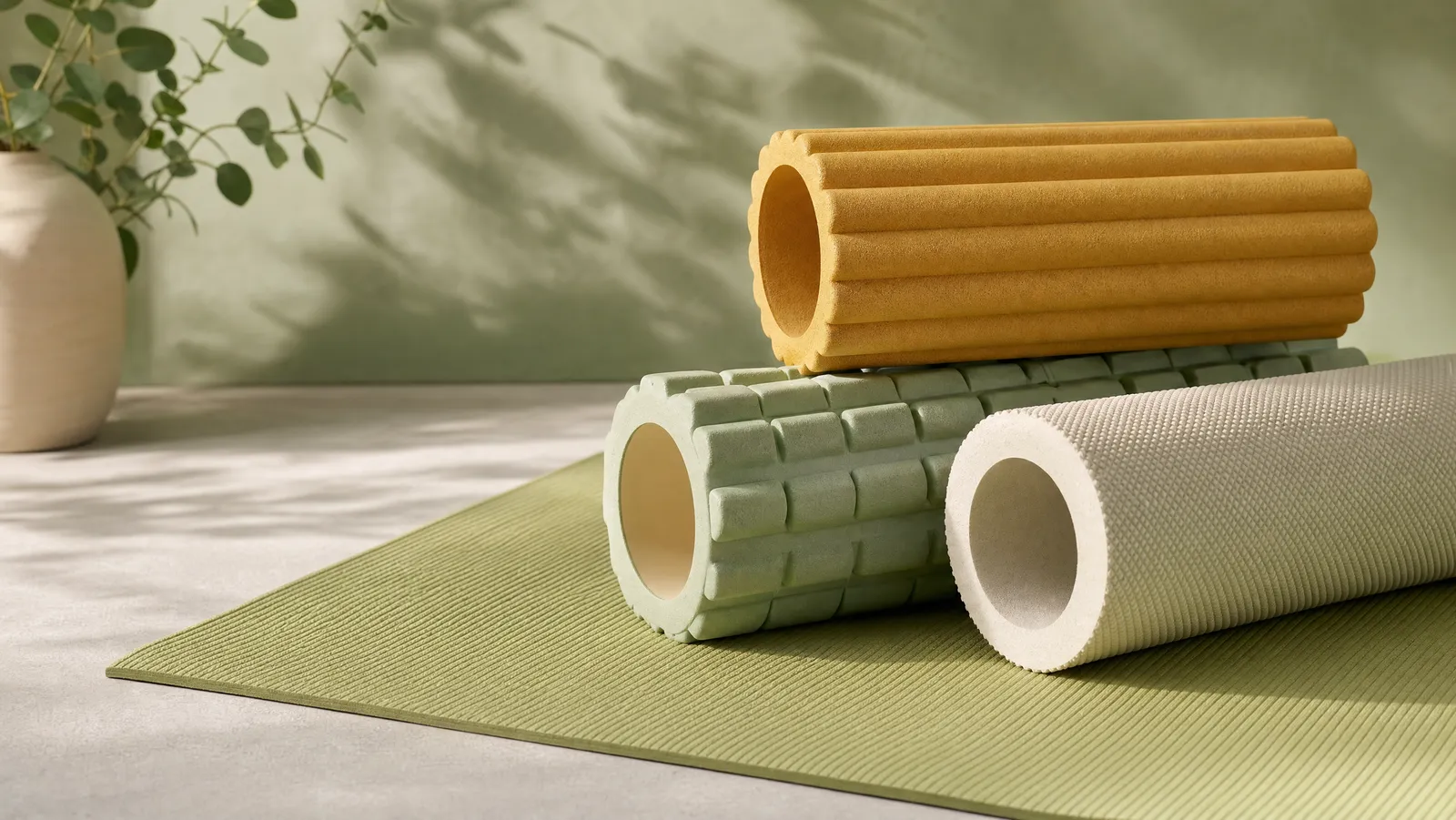
Best Foam Rollers for Recovery & Mobility
The best foam rollers in 2026: what the research says they actually do, how to pick the right density, and our top picks from gentle to deep-tissue.
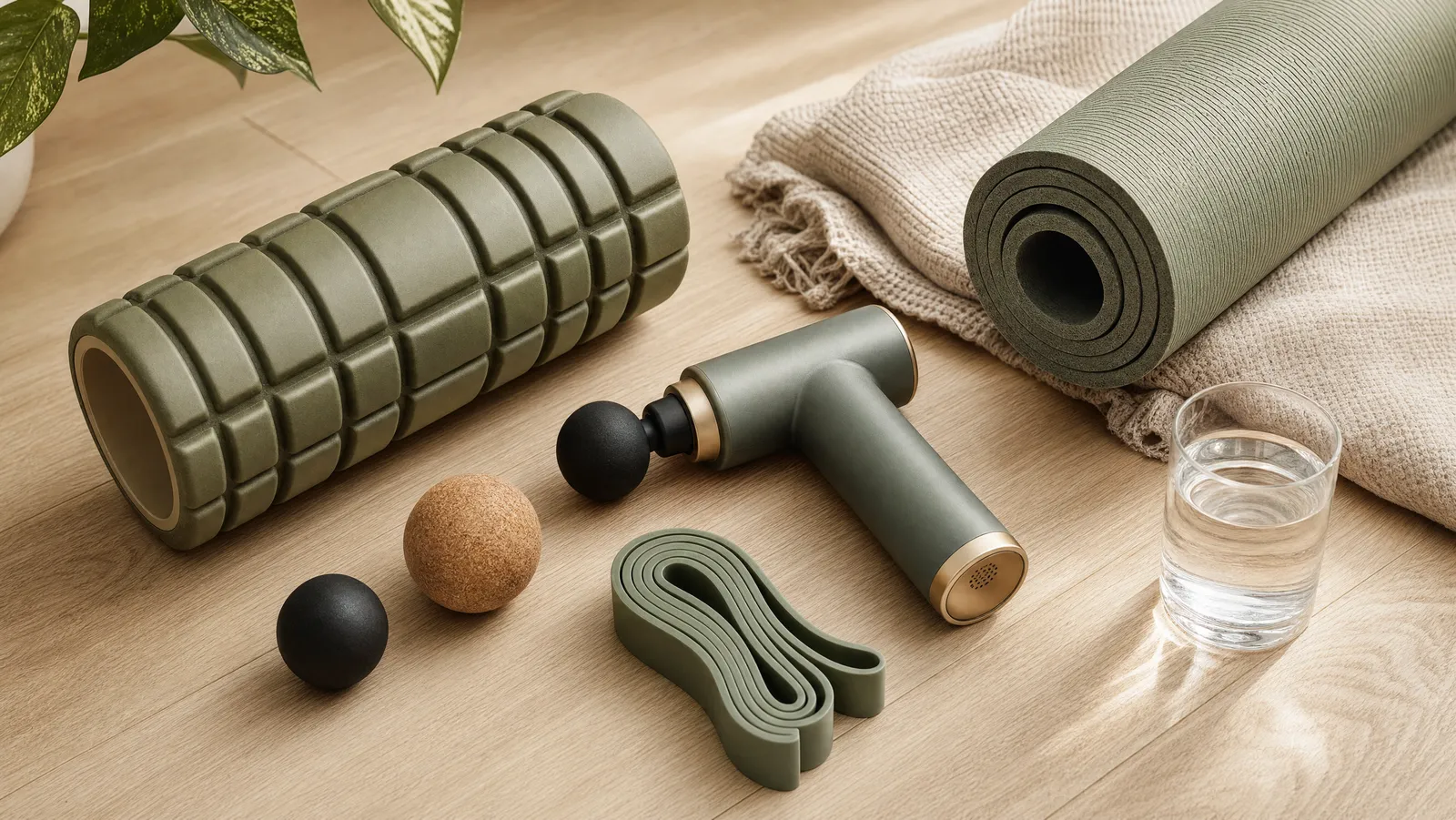
Best Muscle Recovery & Mobility Tools: The Complete Guide
The best muscle recovery and mobility tools, backed by evidence: what massage guns, foam rollers, compression and more actually do, and how to build a routine that keeps you moving.

A Daily Mobility Routine for Staying Limber After 50
A simple daily mobility routine for staying limber after 50: gentle, joint-by-joint exercises you can do at home in 10 minutes to protect range of motion and independence.