Best White Noise Machines for Sleep
The best white noise machines for sleep in 2026: white vs pink vs brown noise, mechanical vs electronic, how to choose, and our top picks compared.

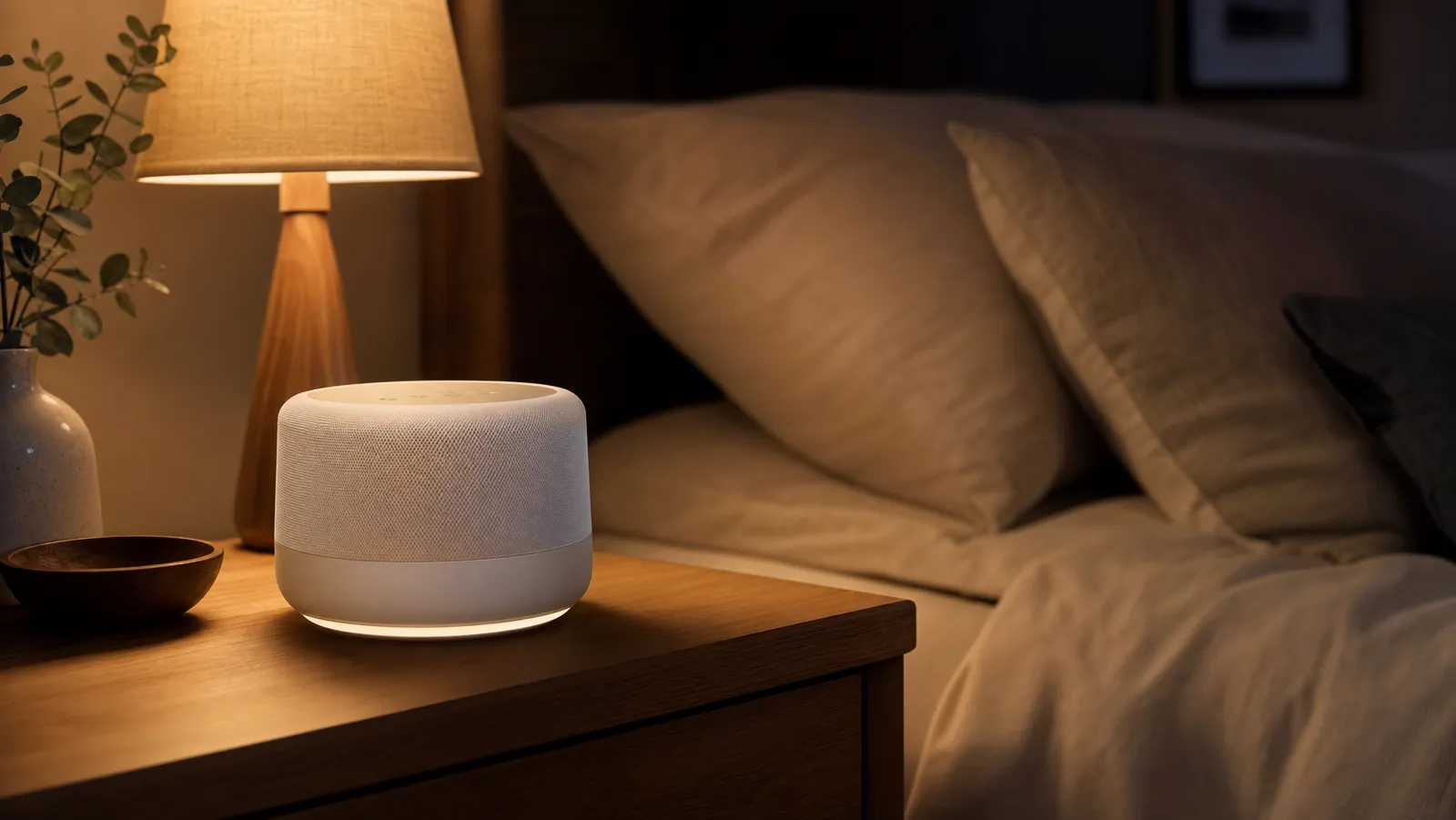
Affiliate disclosure: This article contains affiliate links. As an Amazon Associate we earn from qualifying purchases, at no extra cost to you. Learn more.
◆ The verdict
5 reviewed- 1Our PickLectroFan High FidelityCheck price ▸
- 2Best ValueDreamegg D1 Sound MachineCheck price ▸
- 3Best PremiumSNOOZ Cloud Smart (Travel Bundle)Check price ▸
- 4Most SoundsEZVALO Sound MachineCheck price ▸
- 5Best PortableColourNoise Portable MachineCheck price ▸
If you have ever drifted off to the steady hum of a fan or the drone of an airplane cabin, you already understand the appeal of a white noise machine. These small devices produce a continuous, even wash of sound designed to cover up the abrupt noises that pull you out of sleep, like a slamming door, a barking dog, a snoring partner, or traffic outside your window. Rather than silencing your room, they fill it with a consistent background tone so that sudden sounds stand out less. For a deeper look at the habits and conditions that lead to better rest, see our complete guide on how to sleep better.
The idea behind sound masking is simple. Your brain is wired to notice change. A quiet room makes a single creak feel jarring because it contrasts sharply with the silence. A steady stream of sound raises the floor of background noise, narrowing the gap between "quiet" and "sudden," so disturbances are less likely to register and wake you. That is the core promise of a white noise machine, and it is the lens through which we evaluated the picks below.
What white noise machines do
A white noise machine is essentially a dedicated sound generator. Some create their sound electronically from a stored or synthesized audio signal, while others use an internal fan to produce sound mechanically, the way an actual fan would. Either way, the goal is the same: provide a constant, non-distracting backdrop that masks intermittent noise.
People reach for these machines in a range of situations. Light sleepers use them to blunt the impact of a noisy street or thin apartment walls. Shift workers use them to sleep during the day when the rest of the world is awake. Parents use them in nurseries, and travelers pack them to make unfamiliar hotel rooms feel more like home. The common thread is environmental noise that is hard to control directly, where adding sound is easier than removing it.
A machine is only one piece of the puzzle. It works best alongside the other elements of building a better sleep environment, such as a dark room, a comfortable temperature, and a consistent wind-down routine.
What the evidence says
It is worth being honest here: the research on white noise and sleep is limited and mixed. Some studies suggest that a steady masking sound can help certain people fall asleep faster or stay asleep through environmental disturbances, particularly in noisy settings like hospitals or busy urban apartments. The most plausible benefit is straightforward sound masking, where the machine reduces how often outside noises reach the threshold of waking you.
That said, the body of evidence is not large or consistent, and some reviews have found the quality of available studies to be modest. White noise is not a treatment for insomnia or any sleep disorder, and results vary a great deal from person to person. Some people find continuous noise soothing, while others find it distracting or even mildly stimulating. The honest takeaway is that a white noise machine may help if your sleep is disrupted by noise you cannot otherwise control, but it is not a guaranteed fix, and you may simply prefer silence.
One caution deserves emphasis, especially for nurseries. Sound machines can reach volumes high enough to be a concern for an infant's developing hearing, particularly when placed close to the crib and run at high settings all night. A widely cited study that tested infant sound machines found that many could exceed safe noise limits at close range, so pediatric guidance is to place the machine at least about 7 feet (roughly 200 cm) from the crib, keep the volume below about 50 decibels, and never run it at maximum all night. When in doubt, lower is safer, and a machine you can barely hear over your own breathing is usually plenty for masking.
Types of sound: white, pink, and brown
Not all "white noise" is actually white. The term gets used loosely, but there are real differences in the sound profiles these machines produce.
White noise contains equal energy across all audible frequencies, which gives it a bright, hissy quality similar to static or untuned radio. Pink noise shifts the balance toward lower frequencies, producing a softer, fuller sound that many people compare to steady rainfall or rustling leaves. Brown noise (sometimes called red noise) pushes even further into the low end, creating a deep, rumbling tone reminiscent of a heavy waterfall or distant thunder. There is no single "best" color. Brighter white noise may mask high-pitched sounds like voices more effectively, while the deeper tones of pink and brown noise feel gentler to many listeners. It is largely a matter of personal preference, so a machine offering several variations gives you room to experiment.
There is also a meaningful split in how the sound is produced. Electronic machines play back digital audio, which makes them compact and able to offer many sounds, including nature loops and fan imitations. Mechanical or fan-based machines contain a real internal fan and acoustic housing, generating sound the way physical airflow does. Fans of this approach argue it sounds more natural and three-dimensional than a recording, with no risk of an audible loop point. The trade-off is that mechanical machines typically offer one sound, tuned by adjusting the airflow and housing rather than switching tracks.
How to choose a white noise machine
A few factors separate a machine you love from one that ends up in a drawer.
Sound quality and looping matter most. With electronic machines, listen for whether the audio loops noticeably. A short clip that repeats every few seconds can become more distracting than the noise it is meant to mask, because your brain locks onto the seam where it restarts. Higher-quality machines use longer or non-looping audio so the sound never gives itself away. Mechanical machines sidestep this entirely, which is a big part of their appeal.
Volume range is the next consideration. You want a machine that goes quiet enough for a sensitive sleeper or a nursery and loud enough to cover serious noise if you need it, with smooth adjustment in between rather than a few coarse steps. A built-in timer is a nice-to-have if you only want masking while you fall asleep, though many people prefer to run the machine all night for consistency.
Portability matters if you travel. A compact machine with a rechargeable battery can go in a carry-on and run in a hotel room or on a plane without hunting for an outlet. A night light is a useful extra for nurseries or for anyone who wants a soft glow for late-night trips to the bathroom, and some machines fold sound, light, and even Bluetooth speaker functions into one unit. Finally, weigh price against how much you will actually use the features. A simple, well-tuned machine can outperform a feature-packed one if the core sound is better.
Where to place your machine
Placement shapes how well the masking works and how safe it is. In general, put the machine between you and the noise source you want to cover, such as on a nightstand facing the door or window, so the sound forms a buffer. Avoid placing it directly against your head; a little distance lets the sound diffuse evenly across the room rather than blasting one ear.
In a nursery, this guidance becomes a safety rule rather than a suggestion. Keep the machine across the room from the crib instead of mounted on the rail or sitting on a nearby shelf, and run it at a moderate level. The aim is gentle, ambient masking, not a wall of sound aimed at the baby. For adults, experiment with placement over a few nights; moving the machine a few feet or angling it differently can noticeably change how the room sounds.
Our five picks and who each suits
We chose five machines that span different needs, from a no-compromise sound purist's choice to a travel-ready pocket option.
The LectroFan High Fidelity is our overall pick, and it earns the spot on sound quality. It offers twenty distinct fan and white noise sounds that are non-looping, so you never catch a repeating seam, and its fan tones genuinely sound like a real fan rather than a thin recording. If your main goal is clean, convincing masking without gimmicks, this is the machine we would hand most people. It suits light sleepers, apartment dwellers, and anyone who has been let down by cheaper machines with obvious loops.
The Dreamegg D1 is our best-value choice. It packs in twenty-four sounds plus a built-in night light, which makes it a versatile pick for nurseries and bedside tables alike. It has become popular for good reason: it covers the essentials competently at a friendly price. We would point new parents and budget-minded shoppers here first, with the usual reminder to keep the volume moderate and the machine away from the crib.
The SNOOZ Cloud Smart is our premium pick and the standout for purists who want real mechanical fan sound. Instead of playing a recording, it uses an actual internal fan, so the noise is natural and seamless, and it adds app control for adjusting volume and setting schedules from your phone. It suits people who specifically love the sound of a fan, want smart-home style convenience, and are willing to pay more for that authentic, loop-free tone.
The EZVALO is the choice for anyone who loves options. With 255 or more sound combinations, Bluetooth speaker functionality, and a night light, it is the most feature-rich machine on the list. If you like to fine-tune your soundscape, layer sounds, or use one device for both masking and music, this is the one to consider. It is a strong fit for tinkerers and for households where the same device pulls multiple duties.
The ColourNoise Portable is our pick for travel. With up to forty hours of battery life and a compact, travel-friendly build, it goes wherever you do, from hotel rooms to long flights to a guest room with no convenient outlet. Frequent travelers and anyone who wants masking beyond the bedroom will appreciate not being tethered to a wall socket.
Frequently asked questions
Are white noise machines safe for babies?
They can be used in nurseries, but with care. The main concern is volume and proximity, since sustained loud sound close to an infant's ears may pose a risk to developing hearing. Keep the machine across the room from the crib rather than right beside it, run it at a moderate level, and avoid using it louder than needed to mask noise. Used gently and at a distance, a sound machine is a common nursery tool, but louder is not better.
Is white, pink, or brown noise best for sleep?
There is no universal best. White noise is brighter and may mask high-pitched sounds like voices more effectively, while pink and brown noise are deeper and softer, which many people find more soothing. Preference varies widely from person to person, so the ideal choice is the one that helps you relax. A machine with several sound options lets you test a few and settle on what works for you.
Should I run a white noise machine all night or use a timer?
Either approach is fine, and it comes down to preference. Running it all night provides consistent masking, which helps if noises tend to occur in the early morning hours. A timer that shuts off after you fall asleep is appealing if you would rather not have sound running continuously. Many machines support both, so you can try each and see which leaves you feeling more rested.
Do white noise machines actually help you sleep?
For some people, yes, particularly when noise is the thing disrupting their sleep. The clearest benefit is sound masking, which reduces how often outside noises reach the level that wakes you. The research is limited and mixed, however, and a white noise machine is not a treatment for insomnia or any sleep disorder. It may help if your environment is noisy, but some people simply sleep better in silence.
The bottom line
A white noise machine is a low-cost, low-risk tool that can make a real difference if uncontrollable noise is what stands between you and a good night's rest. The evidence is modest rather than overwhelming, so treat it as an experiment: try a machine, find a sound and volume that feel right, and keep things moderate, especially around infants. If you want the cleanest sound, the LectroFan High Fidelity is our overall pick, while the Dreamegg D1, SNOOZ Cloud Smart, EZVALO, and ColourNoise Portable each cover a specific need from value to premium to travel. Whichever you choose, remember that masking noise is one part of a larger picture, and our guide to getting more restful sleep walks through the rest.

LectroFan High Fidelity
The LectroFan offers 20 non-looping fan and white noise sounds, so the audio doesn't repeat in a noticeable loop the way many machines do. It includes a sleep timer and is a long-standing favorite from Adaptive Sound Technologies. The non-looping design is its standout feature for sensitive sleepers.

Dreamegg D1 Sound Machine
The Dreamegg D1 packs 24 high-fidelity sounds, a soft night light, a sleep timer, and a memory function that recalls your last settings. The mix of white noise and nature sounds covers a range of preferences in one compact unit. The built-in night light adds versatility for nurseries and bedsides.

SNOOZ Cloud Smart (Travel Bundle)
The SNOOZ Cloud uses a real internal fan to produce a natural, non-digital white noise, and adds app control plus a travel case in this bundle. The app lets you fine-tune volume and tone and set schedules from your phone. The included case makes it easy to bring the same sound on trips.

EZVALO Sound Machine
The EZVALO advertises 255+ sound combinations along with a breathing night light, Bluetooth, and a rechargeable battery. The huge sound library and Bluetooth let it double as a speaker, while the gentle breathing light can help wind down. The built-in battery makes it portable between rooms.

ColourNoise Portable Machine
This ColourNoise machine is built for travel, with a rechargeable battery rated up to 40 hours, 30 sounds, and four timer options. It plays both white and brown noise, and the long battery life means it works far from an outlet. The compact, low-cost design is easy to pack.
Keep reading
Best Magnesium for Sleep: Top Picks Compared
The best magnesium for sleep in 2026: which forms (glycinate, citrate, more) actually help, how to choose and dose it safely, and our researched top picks.
Best Natural Sleep Aids & Supplements (Melatonin & Beyond)
The best natural sleep aids and supplements in 2026: how melatonin, magnesium, and valerian really work, how to use them safely, and our top picks.
Best Sleep Trackers: Rings, Watches & Bands Compared
The best sleep trackers in 2026 — rings, watches, and bands compared. What they really measure, accuracy limits, and how to use the data without obsessing.