How to Build the Perfect Sleep Environment
How to build the perfect sleep environment: optimize light, temperature, sound, and your bed for deeper rest, with practical step-by-step changes.

Affiliate disclosure: This article contains affiliate links. As an Amazon Associate we earn from qualifying purchases, at no extra cost to you. Learn more.
Your bedroom is not just where you sleep. It is a set of signals your body reads every night, and those signals can either invite deep rest or quietly sabotage it. Light, temperature, sound, air, and even the visual clutter around you all feed into how quickly you fall asleep and how well you stay asleep. The good news is that most of these factors are within your control, and small, deliberate changes often add up to noticeably better nights.
This guide walks through each environmental factor one at a time, with practical steps you can act on today. Think of it as the room-level companion to broader habits. If you want the full picture of behaviors and routines, start with our pillar guide on how to sleep better, then come back here to dial in the space itself. None of this is medical advice, and if you have a persistent sleep problem, talk to a clinician. But for most people, a thoughtfully built sleep environment is one of the highest-leverage upgrades available.
Light and Darkness
Light is the single most powerful cue your internal clock uses to decide whether it is time to be awake or asleep. Getting it right means thinking about both ends of the day.
At night, aim for darkness. Even modest amounts of light can make sleep lighter and more fragmented. Practical steps:
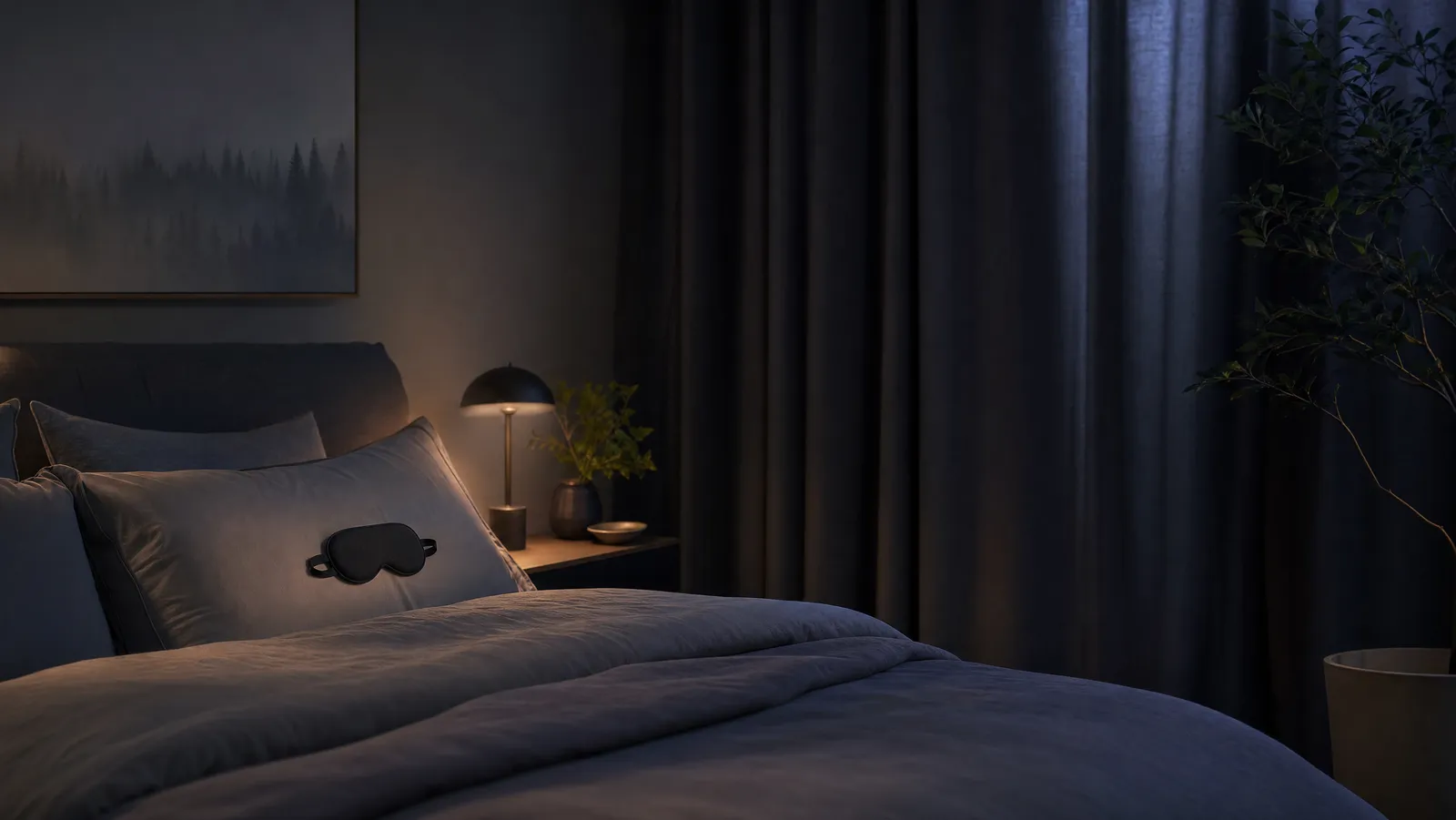
- Block outside light. Blackout curtains or shades are the most effective fix for streetlights, early sunrises, and neighbors' security lights. If a full curtain isn't an option, a well-fitted sleep eye mask does the same job for pennies.
- Dim the room before bed. In the last hour or two, switch from bright overhead lights to low, warm-toned lamps. Lowering light intensity signals your body to begin winding down.
- Tame the screens. Phones, tablets, and TVs emit blue-enriched light and, just as importantly, keep your mind engaged. Try to put screens away well before bed, use night-shift or warm-color modes, and keep the brightness low if you must use them.
- Hunt down stray light. Standby LEDs on chargers, TVs, and power strips add up. Cover them with a small piece of tape or move the device out of the bedroom.
In the morning, do the opposite: seek out bright light. Getting daylight soon after waking helps anchor your circadian rhythm, making it easier to feel alert during the day and sleepy at the right time at night. Open the curtains, step outside, or sit near a bright window with your coffee. Natural light is best, but a bright indoor space helps too.
Temperature
Your core body temperature naturally dips as you fall asleep, and a cool room supports that process. A bedroom that's too warm is one of the most common reasons people toss, turn, and wake up.
A widely cited comfortable range is roughly 60–67°F (about 16–19°C). That's a starting point, not a rule. Use it as a baseline and adjust to what feels right for you and anyone you share the bed with.
Practical steps:
- Set the room cool. Lower the thermostat in the evening, crack a window, or run a fan. A fan does double duty by also providing gentle background sound.
- Choose breathable bedding. Natural, breathable fabrics like cotton, linen, or bamboo move heat and moisture away from your body better than heavy synthetics. Layer so you can add or shed warmth easily.
- Manage heat at the source. If you tend to sleep hot, look at moisture-wicking sheets, lighter sleepwear, or cooling mattress toppers and pillows. If you run cold, a warm pre-bed bath can actually help, because the post-bath temperature drop mimics the body's natural cooling.
Small adjustments here are easy to test. Try cooling the room by a couple of degrees for a week and see whether you wake less often.
Sound
A quiet room helps you fall asleep faster and stay in deeper stages of sleep. But "quiet" doesn't always mean silent, because sudden, irregular noises are often more disruptive than a steady, low-level hum.
Practical steps:
- Reduce the noise you can. Close windows against traffic, use a door draft stopper, and add soft surfaces like rugs and curtains that absorb sound rather than bounce it.
- Mask what you can't eliminate. A steady background sound covers up jarring noises like a barking dog or a partner's snoring. White noise machines are purpose-built for this, but a simple fan, an air purifier, or a phone app playing steady noise works too.
- Try earplugs. Soft foam or reusable silicone earplugs are inexpensive and surprisingly effective for blocking persistent noise. It can take a few nights to get used to the feel, so give them a fair trial.
The goal is consistency. A predictable sound environment lets your brain stop monitoring for surprises and settle into rest.
Your Bed
You spend roughly a third of your life in bed, so it's worth getting the basics right. The "perfect" bed is highly personal, but a few principles apply broadly.
- Mattress. The right mattress supports your spine in a neutral position and feels comfortable to you. There's no universally best firmness; side sleepers often prefer a bit more give at the shoulders and hips, while back and stomach sleepers tend to do better with firmer support. If your mattress is sagging, lumpy, or leaving you achy, it may be time to replace it.
- Pillow for your position. Your pillow should keep your head and neck aligned with your spine. Side sleepers generally need a thicker, firmer pillow to fill the gap between shoulder and ear. Back sleepers usually want something medium. Stomach sleepers do best with a thin pillow, or none at all, to avoid craning the neck.
- Clean bedding. Fresh sheets simply feel better, and regular washing keeps dust, allergens, and oils in check. Washing sheets and pillowcases about once a week is a reasonable habit, more often if you have allergies. Don't forget to refresh or replace pillows periodically, since they accumulate dust and lose support over time.
Air Quality and Scent
The air you breathe all night shapes how rested you feel in the morning. Stuffy, dry, or stale air can leave you waking up congested or groggy.
Practical steps:
- Ventilate. Let fresh air in regularly. Cracking a window, even briefly, clears out stale air and carbon dioxide buildup. An air purifier can help if you live with allergens, dust, or outdoor pollution.
- Mind the humidity. Air that's too dry can dry out your throat and sinuses, while overly damp air encourages mold and dust mites. If your room runs dry, especially in winter, a humidifier can help; in damp climates, a dehumidifier does the reverse.
- Use calming scents, gently. Some people find mild, relaxing scents like lavender soothing as part of a wind-down routine. A light diffuser or a lightly scented pillow spray is plenty. Keep it subtle, avoid anything overpowering, and skip it entirely if scents bother you or anyone you share the room with.
Decluttering and the "Bed Is for Sleep" Association
Your environment shapes your mindset. A cluttered, chaotic bedroom can keep your mind busy at exactly the moment you want it to quiet down, while a calm, tidy space signals rest.
- Clear the visual noise. You don't need a minimalist showroom, but reducing piles of laundry, work papers, and clutter on nightstands makes the room feel more restful. A quick tidy before bed is a small ritual that pays off.
- Protect the bed's purpose. One of the most useful ideas from sleep hygiene habits is to reserve the bed for sleep and intimacy. When you work, scroll, or watch TV in bed, your brain learns to associate it with wakefulness and stimulation. Keep those activities elsewhere so that getting into bed becomes a reliable cue for sleep.
- Keep work out of the bedroom. If you can, don't make the bedroom your office. A clear boundary between where you do tasks and where you rest strengthens the mental link between the room and sleep.
Over time, a consistent, calm bedroom trains your body to expect rest the moment you walk in.
Steps: Build Your Sleep Environment
- Darken the room. Add blackout curtains or an eye mask, dim the lights an hour before bed, and remove or cover stray light sources.
- Cool it down. Set the room toward 60–67°F (16–19°C) and choose breathable bedding.
- Quiet or mask noise. Reduce noise where you can, then add a white noise machine, fan, or earplugs for the rest.
- Upgrade your bed. Match your mattress and pillow to your sleep position and wash bedding regularly.
- Freshen the air. Ventilate the room, manage humidity, and add a subtle calming scent if you like it.
- Declutter and reset associations. Tidy the space and reserve the bed for sleep, not screens or work.
- Get morning light. Open the curtains or step outside soon after waking to anchor your circadian rhythm.
How dark should my bedroom be for sleep?
As dark as you can reasonably make it. Your body sleeps more deeply when light is minimized, so block outside light with blackout curtains or an eye mask and eliminate stray indoor light from electronics. If you need a little light for safety, choose a dim, warm-toned night light placed low and out of direct view.
What is the best temperature for sleeping?
A commonly recommended range is about 60–67°F (16–19°C), which supports the natural dip in body temperature that comes with sleep. Treat that as a starting point and adjust to your own comfort, since the ideal varies from person to person and is also affected by your bedding and sleepwear.
Should I use a white noise machine or earplugs?
Either can work, and it comes down to your situation and preference. White noise machines, fans, or apps mask unpredictable sounds with a steady background hum, which many people find soothing. Earplugs physically block more noise and are great for travel or a snoring partner. Some people use both. Experiment to see what helps you sleep through the night.
Can a calming scent really help me sleep?
For some people, a mild relaxing scent like lavender feels soothing as part of a wind-down routine, and the ritual itself can signal that it's time to relax. Keep any scent subtle and skip it if it's distracting or bothers anyone you share the room with. It's a nice optional touch rather than a guaranteed fix.
Conclusion
You don't have to overhaul everything at once. Pick the factor that's bugging you most, whether that's a too-bright window, a warm room, or noise from the street, and make one change this week. Then layer in the next. Because these elements work together, even a few adjustments can meaningfully improve how you sleep.
A well-built sleep environment removes the obstacles that quietly disrupt rest, but it works best alongside good daily habits. For the bigger picture on routines, timing, and behaviors that support deep sleep, head back to our complete guide on how to sleep better, and start building nights that actually leave you rested.
Keep reading

Best Magnesium for Sleep: Top Picks Compared
The best magnesium for sleep in 2026: which forms (glycinate, citrate, more) actually help, how to choose and dose it safely, and our researched top picks.

Best Natural Sleep Aids & Supplements (Melatonin & Beyond)
The best natural sleep aids and supplements in 2026: how melatonin, magnesium, and valerian really work, how to use them safely, and our top picks.

Best Sleep Trackers: Rings, Watches & Bands Compared
The best sleep trackers in 2026 — rings, watches, and bands compared. What they really measure, accuracy limits, and how to use the data without obsessing.