How to Sleep Better: The Complete Sleep Optimization Guide
How to sleep better, backed by evidence: how sleep works, how much you need, and the habits, environment, supplements, and tools that lead to deeper rest.


Affiliate disclosure: This article contains affiliate links. As an Amazon Associate we earn from qualifying purchases, at no extra cost to you. Learn more.
Sleep is one of the few things every human being does, yet most of us treat it as an afterthought—something we squeeze in around work, screens, and social lives. We celebrate the people who claim to get by on four hours and quietly punish ourselves for needing more. But the research of the last few decades has steadily dismantled the idea that sleep is optional or wasted time. Far from being a passive shutdown, sleep is an active, highly orchestrated process during which your brain consolidates memories, your body repairs tissue, and dozens of hormonal and immune systems reset for the day ahead.
If you've ever strung together a few bad nights, you already know the consequences in your bones: foggy thinking, short temper, sugar cravings, and a body that feels like it's wading through wet sand. Those are the visible symptoms. Underneath them, poor sleep nudges nearly every system in your body in the wrong direction—blood sugar regulation, appetite hormones, cardiovascular strain, mood chemistry, and immune readiness. Sleep isn't a competing priority alongside diet and exercise; it's the foundation the other two stand on. Eat well and train hard on a chronic sleep deficit, and you're building on sand.
The good news is that sleep is also remarkably responsive to change. Unlike many aspects of health that demand years of slow effort, your sleep can improve meaningfully within a week or two of better habits, a smarter bedroom setup, and—where appropriate—a few well-chosen aids. This guide is the hub of our sleep series. It walks through why sleep matters, how it actually works, how much you really need, and the practical pillars you can adjust starting tonight. Along the way, it links out to deeper guides on each topic so you can go as far down the rabbit hole as you like.
Why Sleep Matters More Than You Think
It's easy to think of sleep as recovery from the day, but it's more accurate to think of it as preparation for everything else your body does. When sleep is consistently short or fragmented, the effects ripple outward into systems that have nothing obvious to do with feeling tired.
Immune Function
Research suggests that sleep and the immune system are tightly linked. During deep sleep, the body produces and redistributes certain immune signaling molecules, and studies have observed that people who sleep too little appear more susceptible to common infections and may respond less robustly to vaccines. The relationship runs both ways—being sick makes you sleepy because your immune system is, in effect, asking for resources. Chronically shortchanging sleep may blunt your defenses over time.
Brain Health and Memory
Some of the most compelling sleep science concerns the brain. While you sleep, your brain appears to consolidate the day's learning, moving information from short-term to longer-term storage and pruning unimportant connections. Research has also pointed to a kind of overnight "clearing" process in which the brain flushes metabolic waste products that accumulate during waking hours. This is part of why a single bad night leaves you scattered and forgetful, and why students who sleep after studying tend to retain more than those who pull all-nighters.
Mood and Mental Health
Anyone who has snapped at a loved one after a rough night knows that sleep and mood are intertwined. Research consistently links poor sleep with greater irritability, anxiety, and difficulty regulating emotions. The relationship is bidirectional and complex—insomnia can be both a symptom and a driver of mood disorders—but improving sleep is widely regarded as a meaningful lever for emotional resilience. It won't cure clinical depression or anxiety on its own, yet it's hard to feel steady on a foundation of exhaustion.
Metabolism and Weight
Short sleep appears to shift the hormones that govern hunger and fullness, which may help explain why tired people tend to crave calorie-dense, sugary foods. Research has also connected insufficient sleep with poorer blood sugar regulation. None of this means a single late night will derail your health, but a persistent pattern of too little sleep may make weight management and metabolic health harder than they need to be.
Longevity
At the population level, both very short and unusually long sleep durations have been associated with worse long-term health outcomes in observational studies. These studies can't prove that bad sleep directly shortens life—many factors travel together—but the consistency of the pattern is hard to ignore. The most reasonable interpretation is that protecting your sleep is one of the simpler, lower-risk investments you can make in a longer, healthier life.
How Sleep Actually Works
To improve something, it helps to understand it. Sleep isn't a single flat state; it's a cycle your brain moves through several times each night, governed by an internal clock that's been ticking since long before alarm clocks existed.
Sleep Cycles, Deep Sleep, and REM
Over the course of a night you pass through repeating cycles of roughly 90 minutes, each containing several stages. Early in a cycle you drift through light sleep, then descend into deep sleep (also called slow-wave sleep), the most physically restorative stage, when the body does much of its tissue repair and the brain its waste clearing. Later in each cycle comes REM (rapid eye movement) sleep, when most vivid dreaming occurs and the brain is highly active—closely tied to memory and emotional processing.
The balance shifts as the night goes on: deep sleep dominates the first half, while REM stretches grow longer toward morning. This is why cutting sleep short by waking early can disproportionately rob you of REM, and why a fragmented night that never lets you reach deep stages leaves you unrefreshed even if the total hours look fine on paper. Quality and continuity matter as much as raw duration.
Your Circadian Rhythm
Layered on top of the nightly cycles is your circadian rhythm—a roughly 24-hour internal clock that influences when you feel alert and when you feel sleepy. Light is its master cue. Morning light tells your brain it's daytime and anchors the clock; bright light at night, especially the blue-rich light from screens, can push the clock later and suppress melatonin, the hormone that signals it's time to wind down. A second pressure, the buildup of a molecule called adenosine through your waking hours, creates the "sleep drive" that grows the longer you've been awake (and which caffeine temporarily masks).
Good sleep happens when these two systems align: high sleep drive meeting a circadian rhythm that's expecting rest. Much of sleep optimization is really about keeping that alignment intact—consistent timing, morning light, and a dark, quiet evening.
How Much Sleep Do You Actually Need
For most healthy adults, sleep needs fall in the range of about seven to nine hours per night. That's a general guideline, not a personal prescription. Some people genuinely function well at the lower end; a small minority may need more. The rare individuals who truly thrive on five or six hours are far less common than the number of people who claim to be in that group.
Rather than fixating on a target number, watch how you feel and function. Reliable signs you're getting enough include waking without dragging, staying alert through the afternoon without leaning hard on caffeine, and not feeling the urge to sleep dramatically longer on weekends. Needing an alarm to wrench yourself awake every day, nodding off the moment you sit still, or "catching up" with marathon weekend sleeps all suggest you're running a deficit during the week.
Needs also change across life and circumstance. Teenagers require more sleep than adults and are wired to fall asleep later. Illness, intense training, pregnancy, and high stress can all temporarily raise your needs. The goal isn't to hit a magic number—it's to consistently give your body enough opportunity to complete its cycles, then judge by how you feel.
The Four Pillars of Better Sleep
If sleep science can feel abstract, the practical side is refreshingly concrete. Better sleep rests on four pillars you can actually control: your daily habits, your physical environment, the aids you choose to use, and the data you gather about what's working. Each gets a brief overview here, with a dedicated deep-dive guide for when you want to go further.
Pillar 1: Sleep Hygiene and Habits
"Sleep hygiene" is an unglamorous term for the daily behaviors that set you up for good sleep. The highest-impact habit is consistency: going to bed and waking at roughly the same times every day, weekends included, which keeps your circadian rhythm steady. Close behind are managing caffeine (it lingers for hours, so an afternoon cutoff helps), getting morning light exposure to anchor your clock, building a calming wind-down routine, and keeping alcohol modest since it fragments sleep even when it helps you nod off.
Screens deserve special mention. The bright, stimulating light and the engaging content both work against the wind-down you're trying to create. A screen curfew in the last hour before bed is one of the simplest changes with an outsized payoff. For a full walkthrough of habits worth building—and the common mistakes that quietly sabotage your nights—see our detailed guide to sleep hygiene and the habits that actually move the needle.
Pillar 2: Your Sleep Environment
Your bedroom is the stage your sleep performs on, and small adjustments here can produce surprisingly large results. The three big levers are darkness, temperature, and quiet. A cool room—most people sleep best on the cooler side—supports the natural drop in body temperature that accompanies sleep onset. Darkness protects your melatonin, so blackout curtains and eliminating stray LEDs matter. And a quiet, interruption-free space helps you stay in the deeper stages without surfacing.
Where silence isn't possible, masking sound can help. A steady, neutral background hum can cover the sudden noises—a passing car, a creaking house, a snoring partner—that jolt you awake. Our roundup of the best white noise machines for masking disruptive sounds covers options for different needs and budgets. Some sleepers also find that the gentle, even pressure of a weighted blanket promotes a sense of calm at bedtime; if that appeals to you, our guide to choosing a weighted blanket that suits your body explains how to pick the right weight and material. For the full environment overhaul—from mattress and bedding to light and air—work through our complete guide to building a bedroom engineered for sleep.
Pillar 3: Supplements and Natural Aids
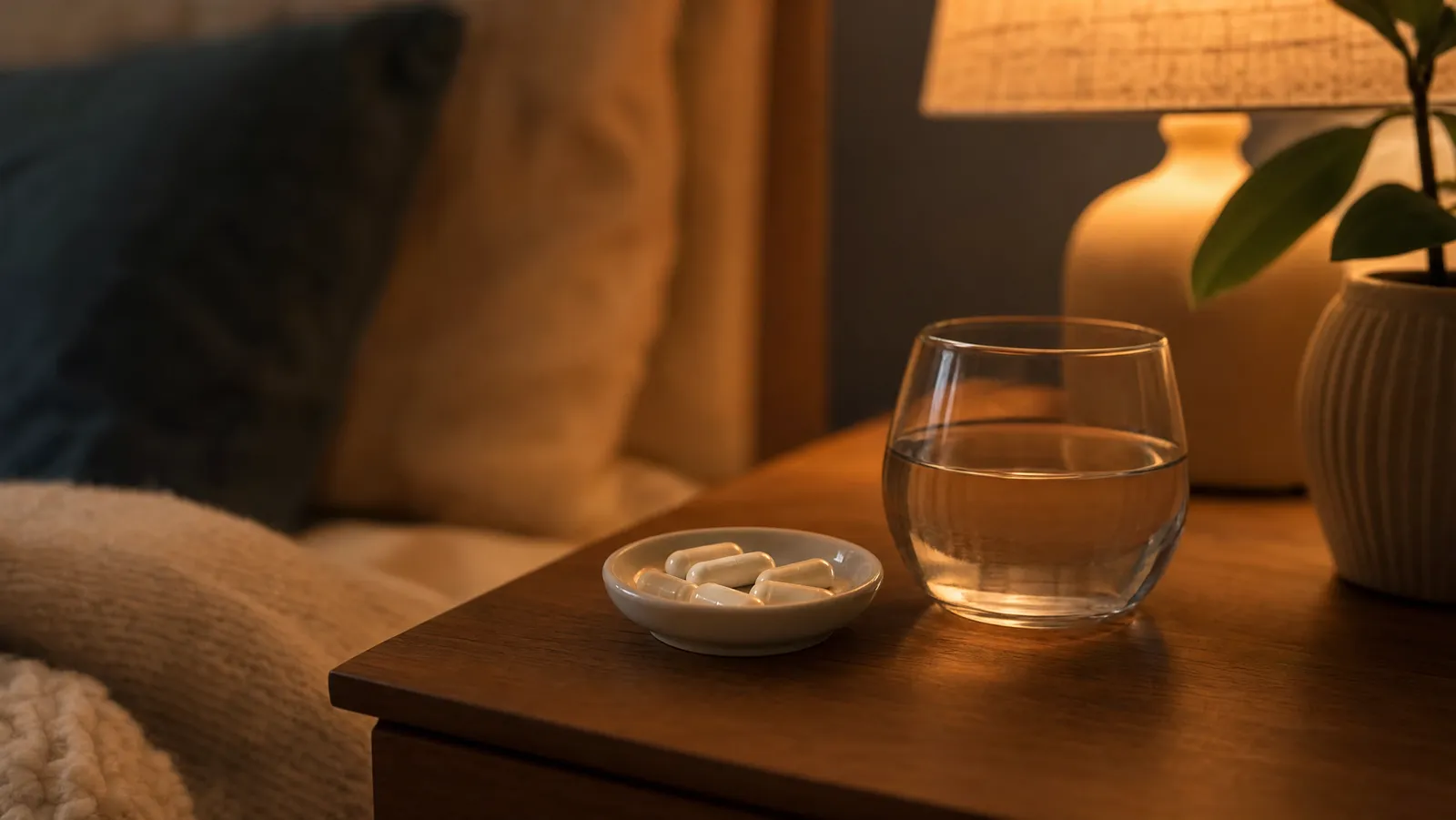
Supplements aren't a substitute for solid habits and a good environment, but a few have reasonable evidence behind them and can help at the margins. Magnesium is among the most popular, partly because many people don't get enough through diet and because it plays a role in the nervous system's "rest" pathways. The form matters—some types are far better absorbed and gentler on the stomach than others—which we unpack in our breakdown of the best magnesium supplements for sleep and how the forms differ.
Melatonin is the other heavily used aid. It's a hormone, not a sedative, and works best for circadian problems like jet lag or a shifted schedule rather than as a general "knockout" pill; lower doses are often more effective than the large ones sold on shelves. Other gentle options include herbal aids like valerian or chamomile and amino acids such as L-theanine, with varying degrees of evidence. Our overview of natural sleep aids, melatonin, and what the evidence supports lays out what's worth trying and what to be skeptical of. As a general rule, treat supplements as supporting players, start low, and check with a clinician or pharmacist before combining anything with existing medications.
Pillar 4: Tracking Your Sleep
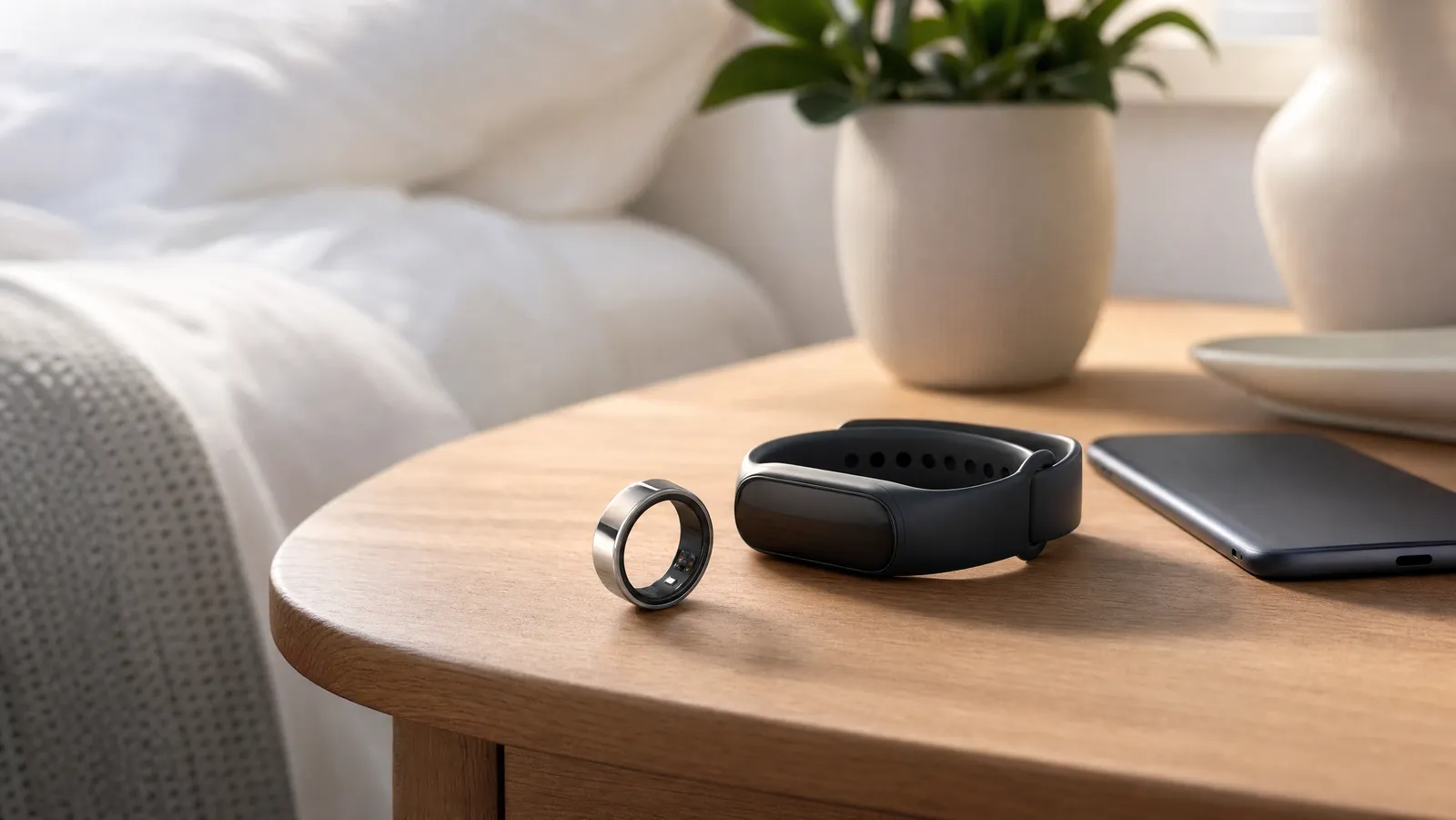
You can't easily improve what you don't measure. Sleep trackers—wearable rings, watches, and bedside devices—estimate your sleep duration, timing, and stages, and can reveal patterns you'd never notice by feel alone, like how late caffeine or alcohol quietly wrecks your deep sleep. Used well, the value isn't the nightly score so much as the trend over weeks as you experiment with changes.
A word of caution: consumer trackers estimate sleep stages rather than measuring them directly, so treat the numbers as directional rather than precise, and don't let chasing a "perfect" score become its own source of anxiety. If a metrics-driven approach motivates you, our comparison of the best sleep trackers for spotting patterns covers what different devices do well and where they fall short.
Common Sleep Problems and How to Approach Them
Most sleep complaints fall into a few familiar buckets. The general strategies below address everyday, occasional issues. Persistent problems deserve a closer look, which we cover in the next section.
Trouble Falling Asleep
Lying awake with a racing mind is often a sign that your body and brain haven't downshifted. Common culprits include caffeine too late in the day, screens and stimulation right up to bedtime, an irregular schedule, or simply not being tired enough yet. A consistent wind-down routine, a screen curfew, and keeping wake times steady all help. One counterintuitive tactic: if you're not asleep after about twenty minutes, get up and do something calming in dim light rather than lying there building frustration, then return to bed when sleepy. This keeps your brain from associating the bed with wakefulness.
Waking Up During the Night
Brief awakenings between sleep cycles are completely normal—most people just don't remember them. The problem is when you wake and struggle to fall back asleep. Frequent culprits include alcohol (which fragments the second half of the night), a too-warm or too-bright room, noise, a full bladder from late-evening fluids, and stress. Addressing the environment, moderating evening alcohol and fluids, and managing stress through a wind-down practice often help. If you wake gasping, choking, or with your heart pounding, that's worth flagging to a doctor.
Waking Up Tired Despite Enough Hours
If you spend eight hours in bed and still feel unrefreshed, the issue is usually quality, not quantity. Fragmented sleep that never reaches the deep, restorative stages can leave you groggy even when the clock looks fine. Causes range from an inconsistent schedule and alcohol to an uncomfortable environment—and sometimes an underlying condition like sleep apnea, which repeatedly interrupts sleep without fully waking you. If better habits and a better environment don't move the needle over a few weeks, it's reasonable to seek a professional opinion.
When to See a Doctor
The advice in this guide is general information for everyday sleep, not a substitute for medical care. Most occasional sleep trouble responds to better habits and environment, but certain signs warrant a conversation with a clinician rather than another tweak to your bedtime routine.
Consider seeing a doctor if you experience any of the following:
- Loud, chronic snoring, gasping, or choking during sleep, or pauses in breathing noticed by a partner—possible signs of sleep apnea, a condition that's both treatable and worth taking seriously.
- Persistent insomnia—difficulty falling or staying asleep most nights for three months or more—which may benefit from structured treatment such as cognitive behavioral therapy for insomnia (CBT-I), widely regarded as a first-line approach.
- Overwhelming daytime sleepiness that interferes with work, driving, or daily life despite adequate time in bed.
- Uncomfortable urges to move your legs at night, vivid disruptive movements or behaviors during sleep, or sleep problems that began alongside a new medication or health change.
None of this is cause for alarm, but these patterns are exactly the kind that habit changes alone often can't fix. A clinician can rule out underlying conditions and point you toward treatments that work. If you're managing a chronic health condition or taking medications, loop in your doctor before making significant changes, especially involving supplements.
How Long Does It Take to Improve Your Sleep?
Many people notice a difference within one to two weeks of consistent changes, particularly from steadying their sleep and wake times and improving their environment. The catch is consistency—your circadian rhythm responds to repeated signals, not one-off efforts. Give any change a genuine two-week trial before deciding it isn't working, and resist the urge to overhaul everything at once so you can tell what's actually helping.
What Is the Single Most Important Thing for Better Sleep?
If you change only one thing, make it consistency: going to bed and waking up at roughly the same time every day, weekends included. A steady schedule anchors your circadian rhythm so your body learns when to feel sleepy and when to feel alert. It sounds almost too simple, but it's the foundation that makes every other improvement—environment, supplements, wind-down routines—work better.
Why Do I Wake Up Tired Even After Eight Hours?
Waking unrefreshed despite enough hours usually points to poor sleep quality rather than quantity. Fragmented sleep that doesn't reach the deep, restorative stages can leave you groggy, and common causes include alcohol, an inconsistent schedule, a warm or noisy room, or an underlying issue like sleep apnea. If improving your habits and environment over a few weeks doesn't help, it's worth raising with a doctor.
Can Supplements Really Help You Sleep?
Some supplements have reasonable evidence and can help at the margins, but they work best alongside good habits rather than in place of them. Magnesium and melatonin are the most popular—melatonin is especially useful for circadian issues like jet lag, while magnesium may support relaxation. Start with low doses, keep expectations modest, and check with a clinician or pharmacist before combining supplements with any medications.
Is It Bad to Use My Phone Before Bed?
Using your phone right before bed works against sleep in two ways: the bright, blue-rich light can suppress melatonin and nudge your internal clock later, and the engaging content keeps your brain stimulated when it should be winding down. A screen curfew in the last hour before bed is one of the easiest high-impact changes you can make. If you must use a device, dimming it and switching to a warmer, night-mode display helps somewhat, though stepping away entirely is better.
Putting It All Together
Good sleep isn't the product of one perfect trick—it's the sum of small, consistent choices that keep your body's natural systems working in your favor. Steady timing and morning light anchor your rhythm. A cool, dark, quiet bedroom protects the deep and REM stages that do the real work. Smart use of aids and a bit of tracking help you fine-tune. And knowing when a problem has crossed into medical territory keeps you from spinning your wheels on something that needs professional care.
Start with the pillar that feels weakest for you—most people know in their gut whether it's their habits, their environment, their reliance on stimulants, or simply a chaotic schedule. Pick one change, give it two honest weeks, and build from there. Use the linked guides above to go deeper wherever you're ready. Sleep is the most consistently underrated lever in health, and it's one of the few you can start pulling tonight.
Keep reading
Best Magnesium for Sleep: Top Picks Compared
The best magnesium for sleep in 2026: which forms (glycinate, citrate, more) actually help, how to choose and dose it safely, and our researched top picks.

Best Natural Sleep Aids & Supplements (Melatonin & Beyond)
The best natural sleep aids and supplements in 2026: how melatonin, magnesium, and valerian really work, how to use them safely, and our top picks.
Best Sleep Trackers: Rings, Watches & Bands Compared
The best sleep trackers in 2026 — rings, watches, and bands compared. What they really measure, accuracy limits, and how to use the data without obsessing.