Best Foam Rollers for Recovery & Mobility
The best foam rollers in 2026: what the research says they actually do, how to pick the right density, and our top picks from gentle to deep-tissue.

Affiliate disclosure: This article contains affiliate links. As an Amazon Associate we earn from qualifying purchases, at no extra cost to you. Learn more.
◆ The verdict
3 reviewed- 1Our PickTriggerPoint GRID 1.0 Foam Roller, 13-inchCheck price ▸
- 2Best for Deep TissueRumbleRoller Original Deep Tissue Foam Roller, 22-inchCheck price ▸
- 3Best for BeginnersOPTP PRO-Roller Soft Density Foam Roller, 36-inchCheck price ▸
The foam roller is the most affordable, best-studied recovery tool you can own, and for many people it is the only one they truly need. By applying sustained pressure to muscles and the fascia around them, rolling helps release tension, ease soreness, and restore range of motion — and unlike flashier gadgets, it has a solid base of research behind exactly those benefits. This guide explains what foam rolling can realistically do, how to choose the right density, and which rollers we would actually buy.
For where foam rolling fits among other recovery options, see our complete guide to muscle recovery and mobility tools. Here we focus on getting the roller right.
What Foam Rolling Actually Does
Foam rolling has been studied more than most recovery tools, and the findings are refreshingly consistent. A dozen years of research support two solid claims: rolling produces a clear, short-term improvement in range of motion, and it modestly reduces the perception of delayed-onset muscle soreness. In plain terms, rolling helps you move more freely right after, and makes sore muscles feel better.
A few nuances are worth knowing. The flexibility benefit is somewhat muscle-specific — it shows up reliably in large muscles like the hamstrings and quads — and longer-term training effects (over weeks) appear to build with consistent use. What the evidence does not strongly support is the idea that rolling dramatically boosts athletic performance or "breaks up" scar tissue. The realistic value is simpler and still worthwhile: looser, more comfortable muscles and better short-term mobility, which make consistent activity easier.
How to Choose a Foam Roller
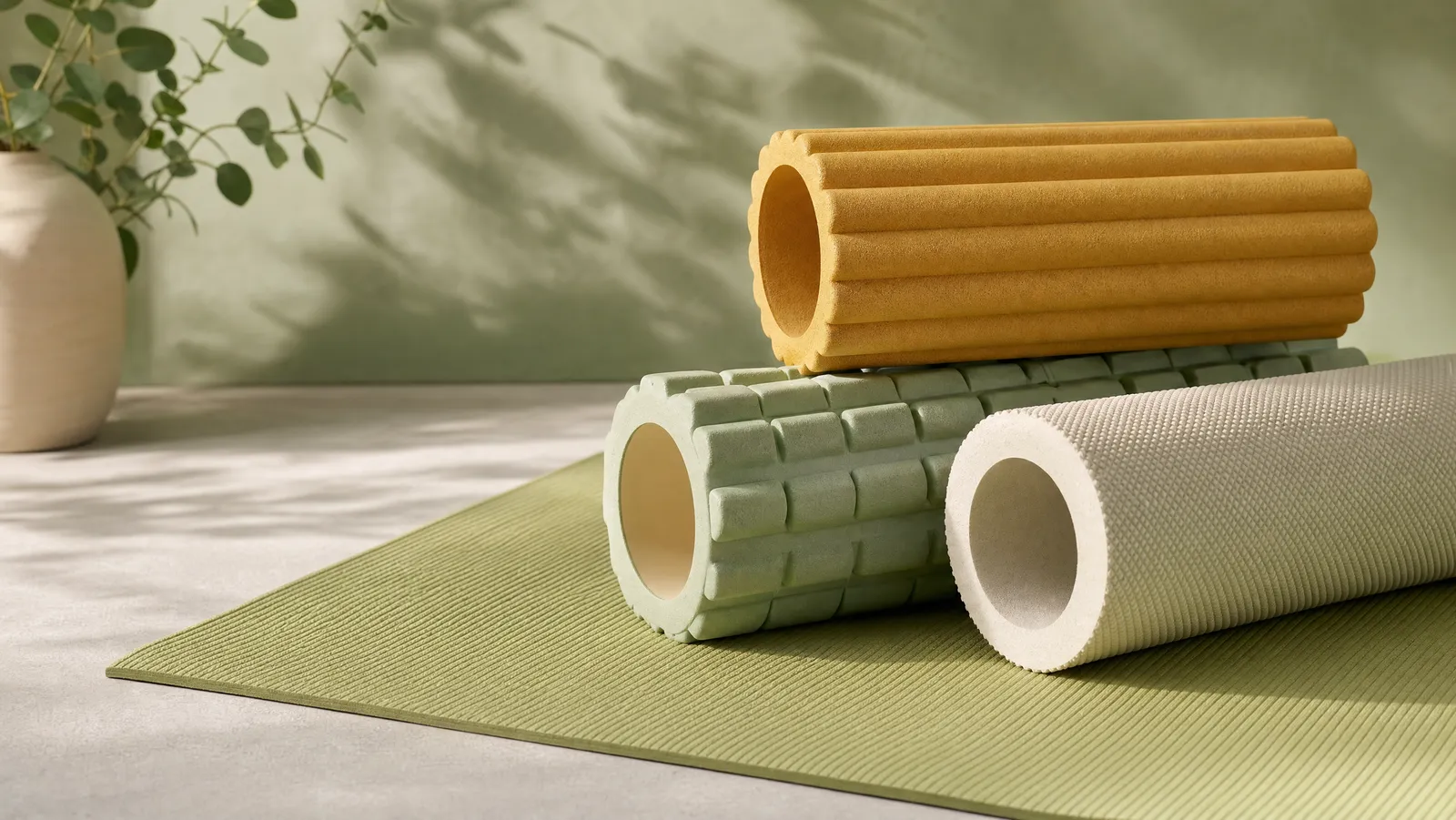
The main decision is density and texture, which determine how intense the experience feels. Softer rollers are gentler and forgiving — best for beginners, older users, sensitive muscles, and back work. Firm and textured rollers (with ridges or bumps) deliver deeper, more targeted pressure for experienced users who find soft rollers too mild. A good middle-ground multi-density roller suits most people.
Two other factors: length and build quality. Longer rollers (around 36 inches) are ideal for lying along your spine and for stability work, while shorter ones (around 13 inches) are easier to store and travel with. For durability, look for closed-cell EVA foam, which keeps its shape far longer than cheap open-cell foam that compresses and crumbles over time. A quality roller is a one-time purchase that lasts years.
Our Top Foam Roller Picks
Our overall pick, the TriggerPoint GRID 1.0, is the benchmark for good reason: a durable multi-density surface that is firm and effective without being brutal, in a convenient 13-inch size. For experienced users who want serious intensity, the RumbleRoller Original uses firm, thumb-like bumps to knead deeper into stubborn knots. And for beginners, sensitive users, or anyone focused on back and posture work, the gentle, full-length OPTP PRO-Roller Soft is the most approachable choice.
If your tight spots are pinpoint knots rather than broad areas, a foam roller pairs well with a massage ball — see our guide to the best massage balls and trigger-point tools. And if you want faster, hands-free relief, compare rolling with percussion in our massage gun vs. foam roller breakdown.
How to Use a Foam Roller
The basics are simple: position the target muscle on the roller, support your body weight, and roll slowly — about an inch per second — pausing for 20 to 30 seconds on tender spots. Two to three minutes per muscle group is plenty. Breathe and keep the pressure tolerable; rolling should feel like firm, "good" discomfort, never sharp pain. Roll muscles, not joints or your lower back directly, and ease off if an area is acutely injured.
You can roll before activity to prime range of motion or after to ease tension — both are supported. For a full walkthrough with technique tips and common mistakes, see our beginner's guide to how to use a foam roller.
Is a Soft or Firm Foam Roller Better?
Neither is universally better — it depends on you. Soft rollers are more comfortable and forgiving, making them ideal for beginners, older adults, sensitive muscles, and back work. Firm or textured rollers deliver deeper, more intense pressure that experienced users often prefer for stubborn tightness. If you are unsure, start softer; you can always progress to a firmer roller as you get used to the sensation.
How Often Should You Foam Roll?
Foam rolling is safe to do daily, and consistency is where the range-of-motion benefits build. Many people roll for a few minutes after workouts or at the end of the day, focusing on whatever feels tight. There is no need to overdo it — short, regular sessions beat occasional long ones, and spending too long grinding on one spot can leave it more irritated, not less.
The Bottom Line
A foam roller is the best-value entry point into recovery and mobility: inexpensive, durable, and genuinely supported by research for easing soreness and improving short-term range of motion. Choose your density by experience level — soft for beginners, multi-density for most, textured for intensity — and use it consistently for a few minutes a day. Our top pick for most people is the TriggerPoint GRID 1.0. For the bigger picture, see our complete guide to muscle recovery and mobility tools. This article is general information only and not medical advice.

TriggerPoint GRID 1.0 Foam Roller, 13-inch
The GRID is the benchmark foam roller: a hollow EVA-foam core wrapped in a multi-density surface with ridges and nodules that mimic a massage therapist's hands. Firmer than basic rollers without being punishing, it holds its shape over years of use, and the 13-inch length is easy to store and travel with.

RumbleRoller Original Deep Tissue Foam Roller, 22-inch
Covered in firm, flexible bumps designed to knead into muscle like thumbs, the RumbleRoller goes deeper than smooth or lightly textured rollers. The 22-inch midsize length suits full-body use, and it targets knots and tight spots more aggressively for experienced users who want intensity.

OPTP PRO-Roller Soft Density Foam Roller, 36-inch
A soft-density, closed-cell foam roller used widely in physical therapy and Pilates. The gentle firmness is forgiving for sensitive or new users, and the full 36-inch length is ideal for lying along your spine for back and posture work, balance drills, and stretching.
Keep reading
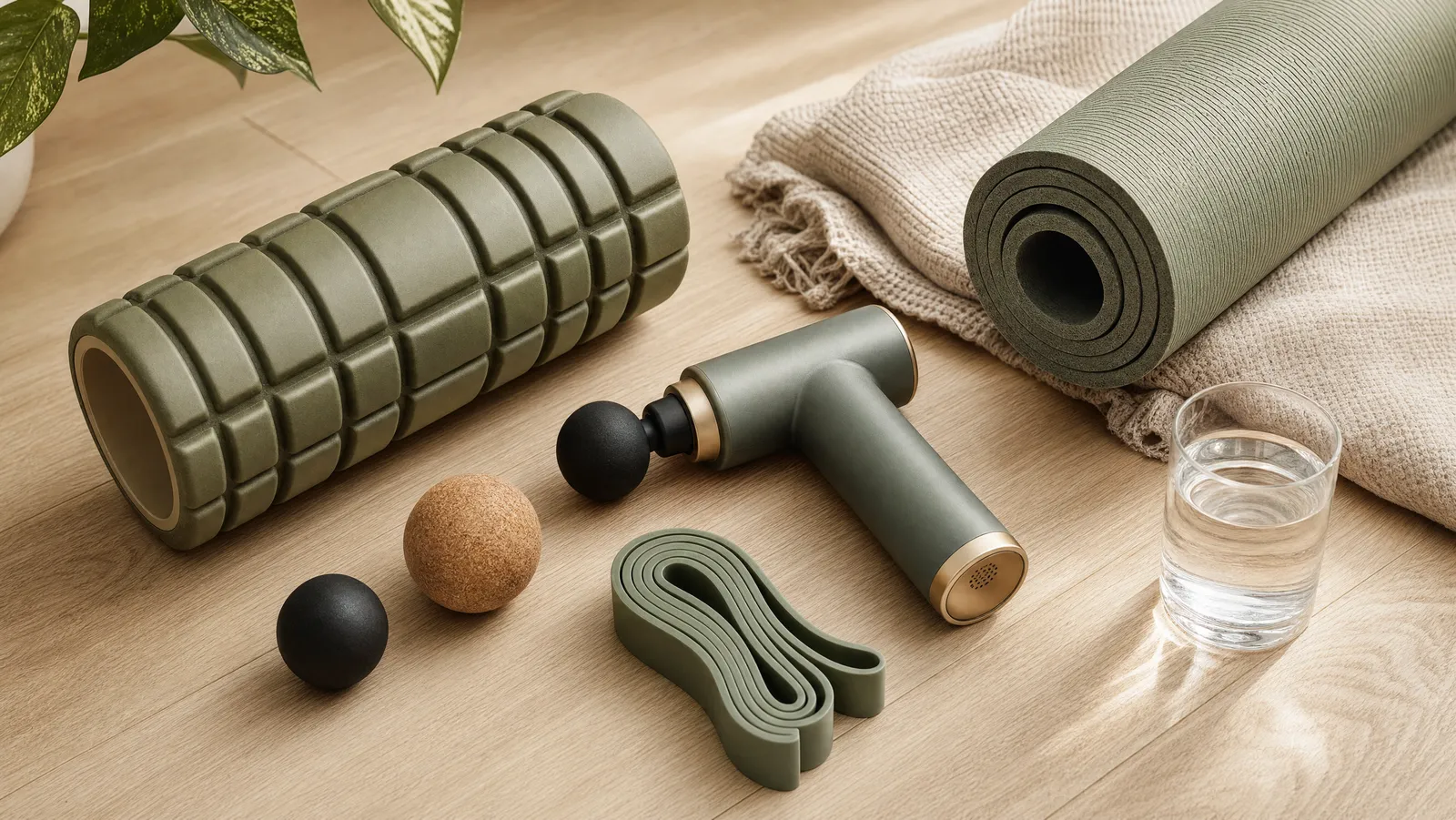
Best Muscle Recovery & Mobility Tools: The Complete Guide
The best muscle recovery and mobility tools, backed by evidence: what massage guns, foam rollers, compression and more actually do, and how to build a routine that keeps you moving.
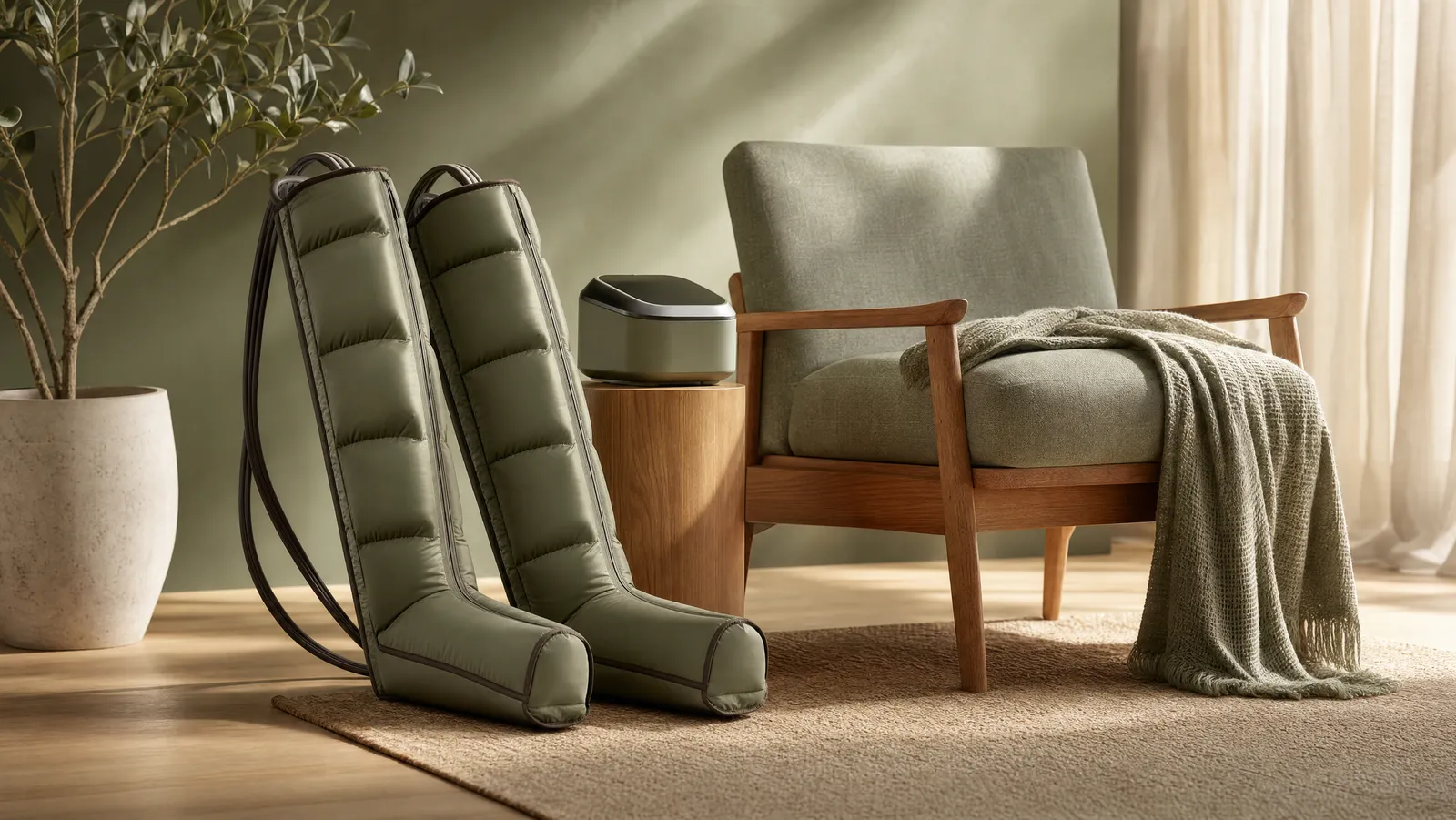
Best Compression Boots & Leg Massagers for Recovery
The best compression boots and leg massagers in 2026: what the evidence really shows, who benefits, and our top picks from premium to budget.
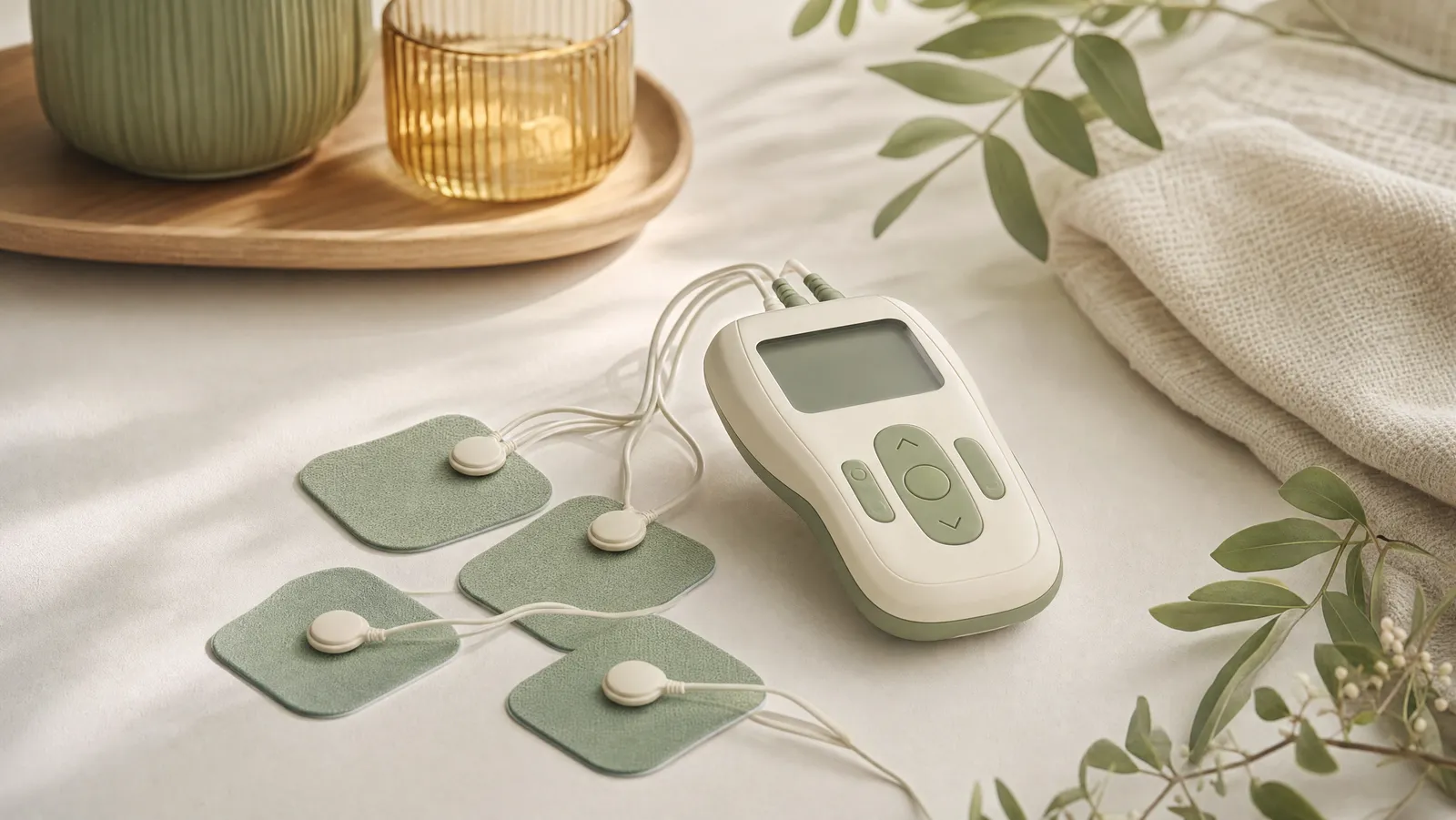
Best TENS & EMS Units for Muscle Pain & Recovery
The best TENS and EMS units for muscle pain and recovery: how they work, what the evidence shows, how to use them safely, and our top picks.