Mobility and Aging: Why It Matters & How to Keep It
Mobility and aging explained: why range of motion declines, why it matters for independence, and the evidence-based ways to keep moving freely for life.


Affiliate disclosure: This article contains affiliate links. As an Amazon Associate we earn from qualifying purchases, at no extra cost to you. Learn more.
Ask people what they fear about getting older, and it is rarely a number on a calendar — it is losing the ability to do things for themselves. Getting up from a chair, climbing stairs, reaching a high shelf, bending to tie a shoe: these everyday movements are what independence is made of, and they all depend on mobility. The good news is that mobility, unlike age, is something you have real power over. This guide explains why mobility declines, why it matters so much, and the evidence-based ways to protect and even improve it at any age.
For the tools that support mobility work, see our complete guide to muscle recovery and mobility tools. Here we make the case and the plan.
What "Mobility" Really Means
Mobility is often confused with flexibility, but they are not the same. Flexibility is how far a muscle can stretch; mobility is your ability to move a joint actively through its full range of motion with control. It combines flexibility, strength, and coordination. You can be flexible but not mobile — able to be stretched into a position passively, yet unable to move there under your own power.
This distinction matters because real life demands active, controlled movement: lowering into a squat to lift a grandchild, rotating to check your blind spot while driving, reaching overhead with stability. Mobility is what keeps those movements available and safe. It is, in a real sense, the physical foundation of an independent life.
Why Mobility Declines With Age
Several changes conspire to reduce mobility over the decades. Muscles lose mass and strength — a process called sarcopenia — which makes controlling joints through their range harder. Connective tissues like tendons and ligaments stiffen, and cartilage in the joints can thin. Activity levels tend to drop, and the less we move, the more range of motion we quietly lose, in a use-it-or-lose-it spiral.
Crucially, much of this decline is driven by inactivity rather than aging alone. That is the hopeful part: because disuse is a major cause, deliberate use is a powerful remedy. The body remains adaptable into the oldest decades, and people who keep moving retain far more mobility than those who don't — the stiffness many assume is "just aging" is often reversible with consistent attention.
Why Mobility Matters for Healthy Aging
The stakes go well beyond comfort. Good mobility and the strength that supports it are directly tied to fall prevention — and falls are a leading cause of serious injury and loss of independence in older adults. Research robustly shows that maintaining muscle strength and physical function reduces fall risk. Mobility also preserves your ability to perform daily activities without help, supports staying active (which benefits your heart, brain, mood, and metabolism), and is linked to better long-term quality of life.
In short, mobility is not a fitness vanity metric — it is one of the clearest investments you can make in staying capable, confident, and independent as the years add up. It is a cornerstone of healthspan, the goal of living not just longer but better.
How to Maintain and Improve Mobility
The encouraging reality is that mobility responds quickly to consistent effort, and the methods are simple and accessible. Four pillars cover most of what matters.
First, move daily. Range of motion is preserved by using it, so taking your joints through their full range every day — gentle squats, reaches, rotations, ankle and shoulder circles — keeps them supple. Second, strength-train, because strength is half of mobility; resistance work (even with light resistance bands) builds the muscle that controls and stabilizes your joints, with strong evidence behind it for older adults. Third, work on flexibility through gentle stretching and band-assisted stretches to maintain the range your muscles allow. Fourth, stay generally active — walking, swimming, dancing, gardening — since overall movement underpins everything else.
You do not need a gym or hours a day. A few minutes of focused mobility work most days, plus regular activity, is enough to make a real difference. Tools like a foam roller and heat for stiff joints can keep you comfortable enough to stay consistent.
How Can I Improve Mobility After 50?
Start small and stay consistent. A daily routine of gentle joint movements (hips, shoulders, ankles, spine), a couple of sessions a week of light resistance training, and regular walking will preserve and often improve your mobility. Use resistance bands for joint-friendly strengthening and band-assisted stretches, and keep stiff areas comfortable with heat or self-massage. Consistency beats intensity — a little every day outperforms occasional big efforts. Our daily mobility routine is a ready-made starting point.
Is It Too Late to Improve Flexibility and Mobility?
It is almost never too late. The body remains adaptable into advanced age, and studies consistently show that older adults can improve strength, flexibility, and function with regular practice. Much of the stiffness people attribute to age is actually due to inactivity, which means it can be reversed. Progress may be more gradual than in your twenties, but meaningful gains are very achievable — the key is starting where you are and being consistent.
The Bottom Line
Mobility — the ability to move your joints actively and with control — is the physical foundation of an independent, active life, and it matters more with every decade. While range of motion tends to decline with age, much of that decline comes from inactivity and is reversible with consistent effort: daily movement, light strength training, gentle flexibility work, and staying generally active. It is rarely too late to improve. Pair these habits with supportive tools from our complete guide to muscle recovery and mobility tools, and start today with our daily mobility routine. This article is general information only and not medical advice; check with your doctor before starting a new exercise program.
Keep reading
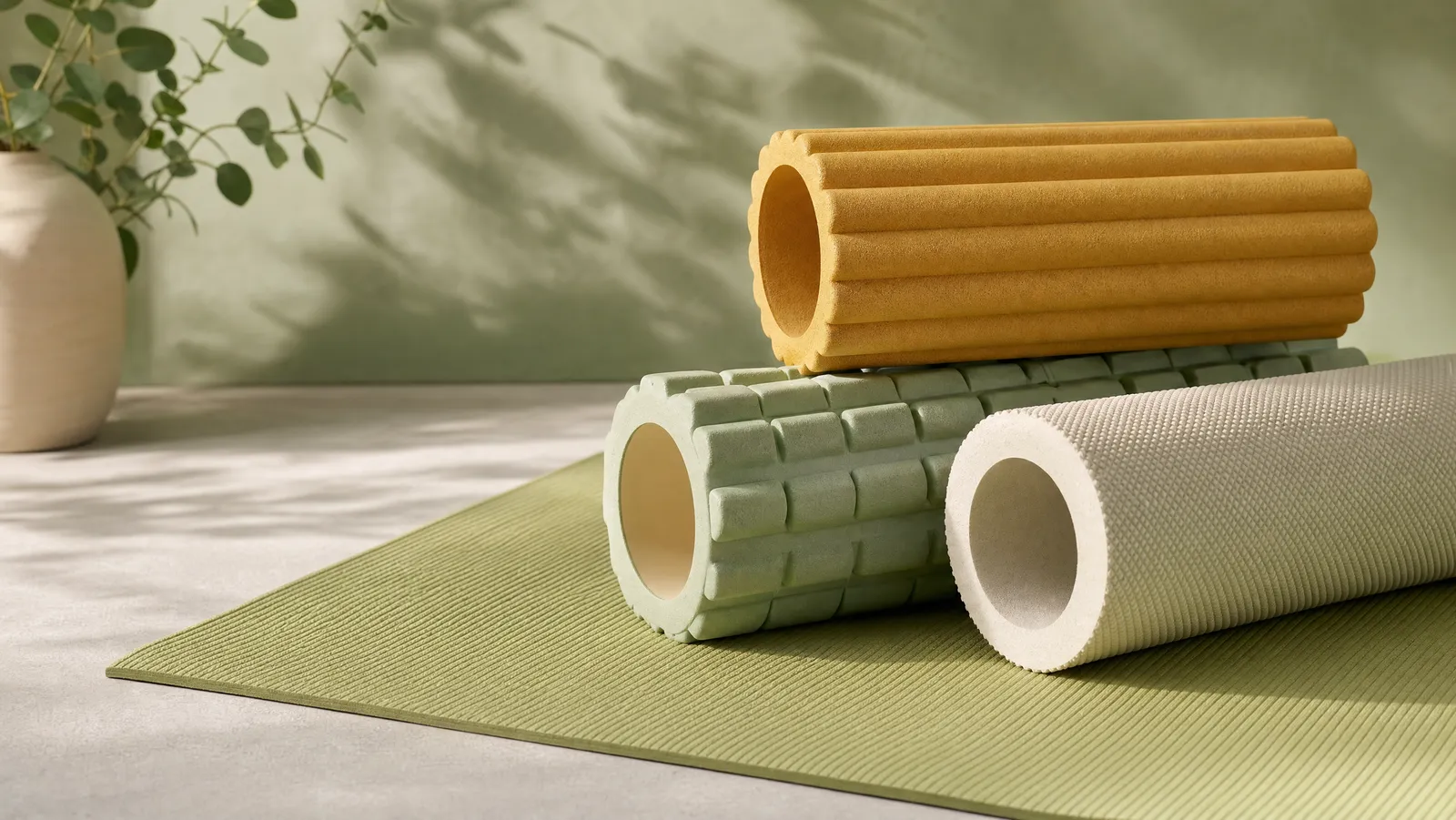
Best Foam Rollers for Recovery & Mobility
The best foam rollers in 2026: what the research says they actually do, how to pick the right density, and our top picks from gentle to deep-tissue.
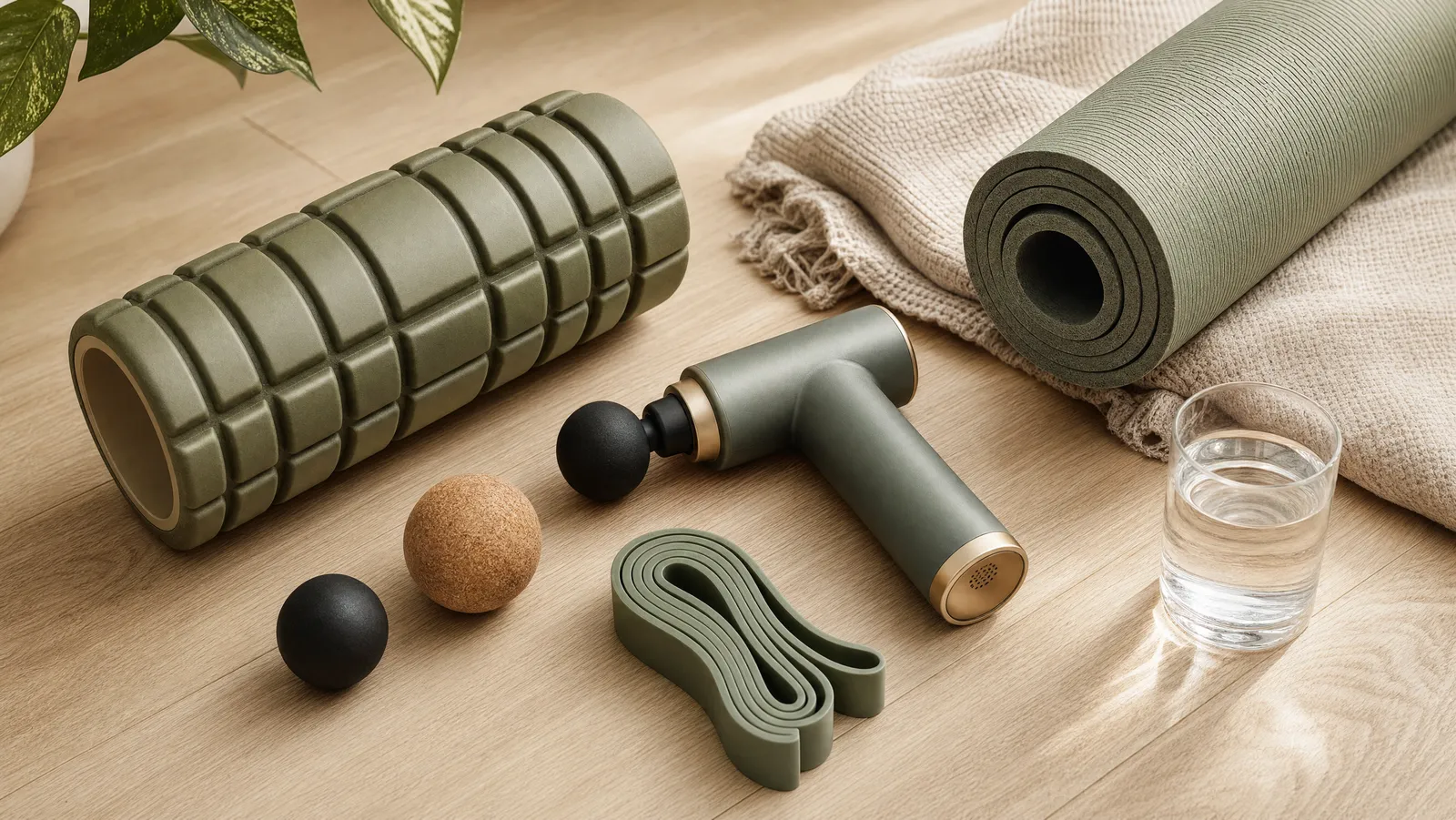
Best Muscle Recovery & Mobility Tools: The Complete Guide
The best muscle recovery and mobility tools, backed by evidence: what massage guns, foam rollers, compression and more actually do, and how to build a routine that keeps you moving.
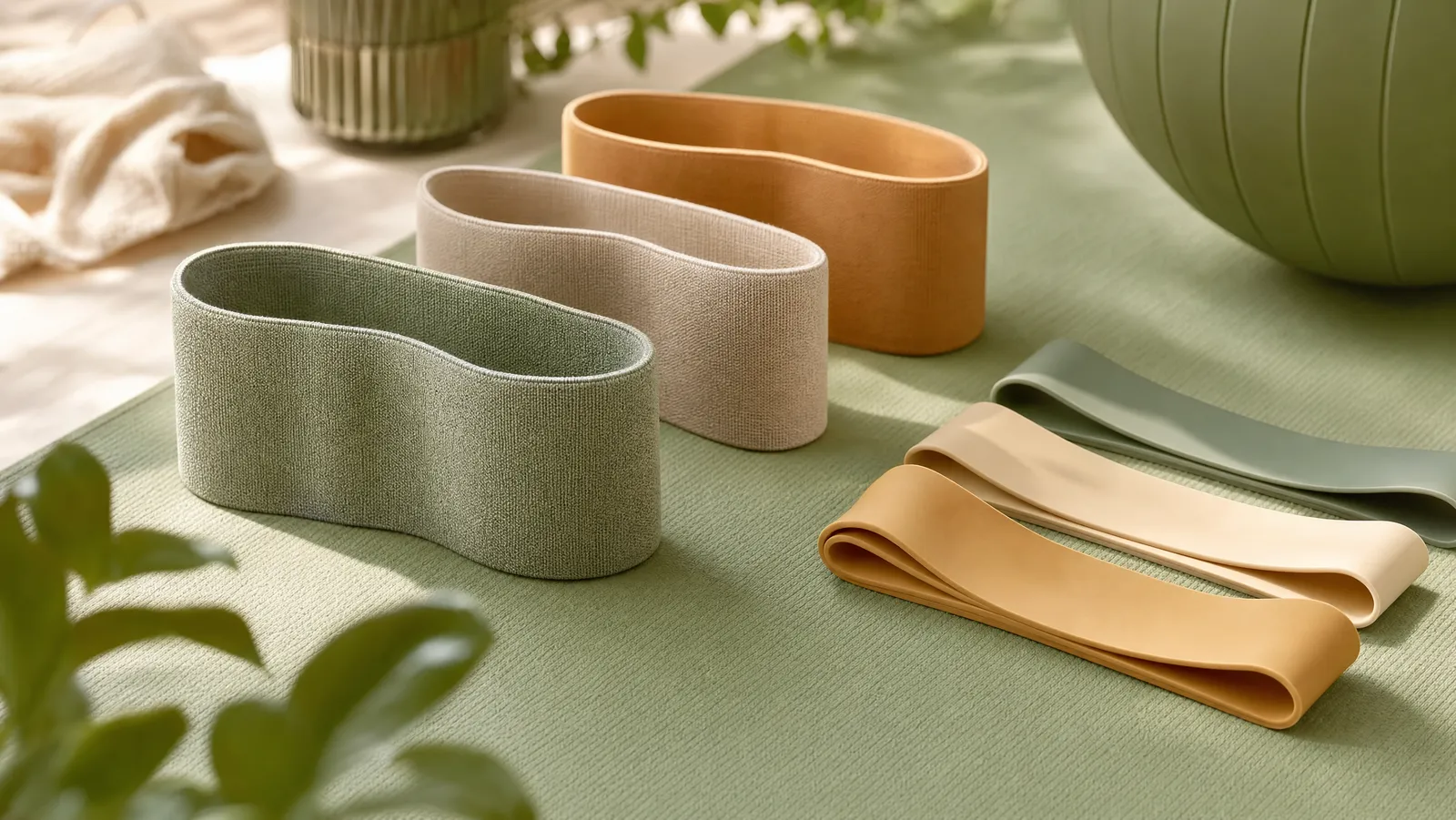
Best Resistance Bands for Mobility & Stretching
The best resistance bands for mobility, stretching, and gentle strength in 2026: why they're ideal as you age, how to choose, and our top picks.