A Daily Mobility Routine for Staying Limber After 50
A simple daily mobility routine for staying limber after 50: gentle, joint-by-joint exercises you can do at home in 10 minutes to protect range of motion and independence.


Affiliate disclosure: This article contains affiliate links. As an Amazon Associate we earn from qualifying purchases, at no extra cost to you. Learn more.
The single most effective thing you can do to keep moving freely as you age also happens to be free, equipment-optional, and achievable in about ten minutes a day: a simple mobility routine. Range of motion is a use-it-or-lose-it asset, and a short daily practice does more to protect it than occasional big efforts ever could. This guide gives you a gentle, joint-by-joint routine designed for staying limber after 50 — no gym, no contortions, just consistent movement that keeps your body capable.
For why this matters so much, see our explainer on mobility and aging; for the bigger toolkit, our complete guide to muscle recovery and mobility tools.
Why a Daily Routine Beats Occasional Stretching
Mobility responds to frequent, gentle attention far better than to rare, intense sessions. Taking your joints through their full range every day signals your body to maintain that range, while long gaps let stiffness creep back in. A daily routine also builds a habit — something you do on autopilot, like brushing your teeth — which is what makes it stick over the months and years where the real benefit accrues.
The routine below is intentionally gentle and quick. The goal isn't an intense workout; it's consistent, controlled movement through each major joint. Pair it with regular walking and a little resistance-band strength work, and you have the core of what keeps people mobile and independent into their later decades.
Before You Start
A few ground rules keep this safe and effective. Move slowly and with control — mobility work is about quality, not speed or force. Never push into sharp pain; gentle tension and the edge of your comfortable range are the targets. Breathe steadily throughout. If you have a joint condition, recent injury or surgery, or balance concerns, check with your doctor or a physical therapist first, and use a wall or sturdy chair for support on any standing movement. Warm up with a minute of easy marching in place if you're stiff.
The 10-Minute Daily Mobility Routine
Work from the top down, spending about a minute on each. Do the movements slowly and only through a range that feels comfortable.
Steps:
- Neck rolls and turns. Gently turn your head side to side, then tilt ear toward shoulder each way, and finish with slow half-circles. Keep movements small and smooth.
- Shoulder circles and reaches. Roll your shoulders backward several times, then reach one arm overhead and gently lean to the opposite side. A resistance band held wide overhead (pass-throughs) deepens this.
- Thoracic (mid-back) rotations. Seated or standing, cross your arms over your chest and rotate your upper body slowly left and right to keep your spine mobile.
- Hip circles and hinges. Hands on hips, make slow circles with your hips each direction, then practice a gentle hip hinge (pushing your hips back, soft knees) to mobilize the hips and hamstrings.
- Gentle squats to a chair. Lower slowly toward a chair as if to sit, tapping lightly and standing back up. This trains the squat pattern that everyday life depends on. Use support if needed.
- Ankle circles and calf raises. Holding support, circle each ankle several times, then rise onto your toes and lower slowly to keep ankles mobile and calves strong.
- Standing or seated stretch finish. End with a gentle hamstring and chest stretch, holding each for 20 to 30 seconds without bouncing.
Make It Easier or Harder
Adapt the routine to your body. To make it gentler, do everything seated, reduce the range of motion, and lean on a chair or wall for any balance-demanding move — the squats can become simple sit-to-stands from a higher chair. To make it more challenging, add light resistance bands for the shoulder, hip, and squat movements, hold stretches a little longer, or add a second round. The routine should always feel like comfortable, controlled movement — never strain.
How to Stay Consistent
Consistency is the whole game, so make it easy to do. Anchor the routine to an existing habit — first thing in the morning, during your coffee, or while the kettle boils. Keep any equipment (a resistance band, a mat) visible as a cue. Aim for daily, but know that even most days delivers real benefit. And track it simply, even just a checkmark on a calendar; the visible streak is surprisingly motivating. If you miss a day, just resume — the routine forgives lapses as long as you keep coming back.
What Are the Best Mobility Exercises for Older Adults?
The most valuable mobility exercises are gentle, controlled movements through the major joints: neck turns, shoulder circles and reaches, mid-back rotations, hip circles and hinges, sit-to-stand squats, and ankle circles. These cover the movements daily life depends on. Adding light resistance-band work builds the strength that supports those joints. The "best" routine is simply the one you'll do consistently, scaled to your current ability.
How Often Should Older Adults Do Mobility Work?
Daily is ideal, since range of motion is preserved by regular use, and a short 10-minute routine is sustainable to do every day. If daily isn't realistic, most days still delivers meaningful benefit. Consistency matters far more than duration or intensity — a little every day outperforms an occasional long session. Combine daily mobility with a couple of strength sessions a week and regular walking for the best results.
The Bottom Line
A simple daily mobility routine is one of the highest-return habits for staying limber, capable, and independent after 50 — and it takes about ten minutes with little or no equipment. Move gently through each major joint, scale it to your ability, and anchor it to a daily habit so it sticks. Support it with light strength work and regular activity, and keep stiff spots comfortable with the tools in our complete recovery guide. For the why behind it all, see mobility and aging. This article is general information only and not medical advice; check with your doctor before starting a new exercise program.
Keep reading
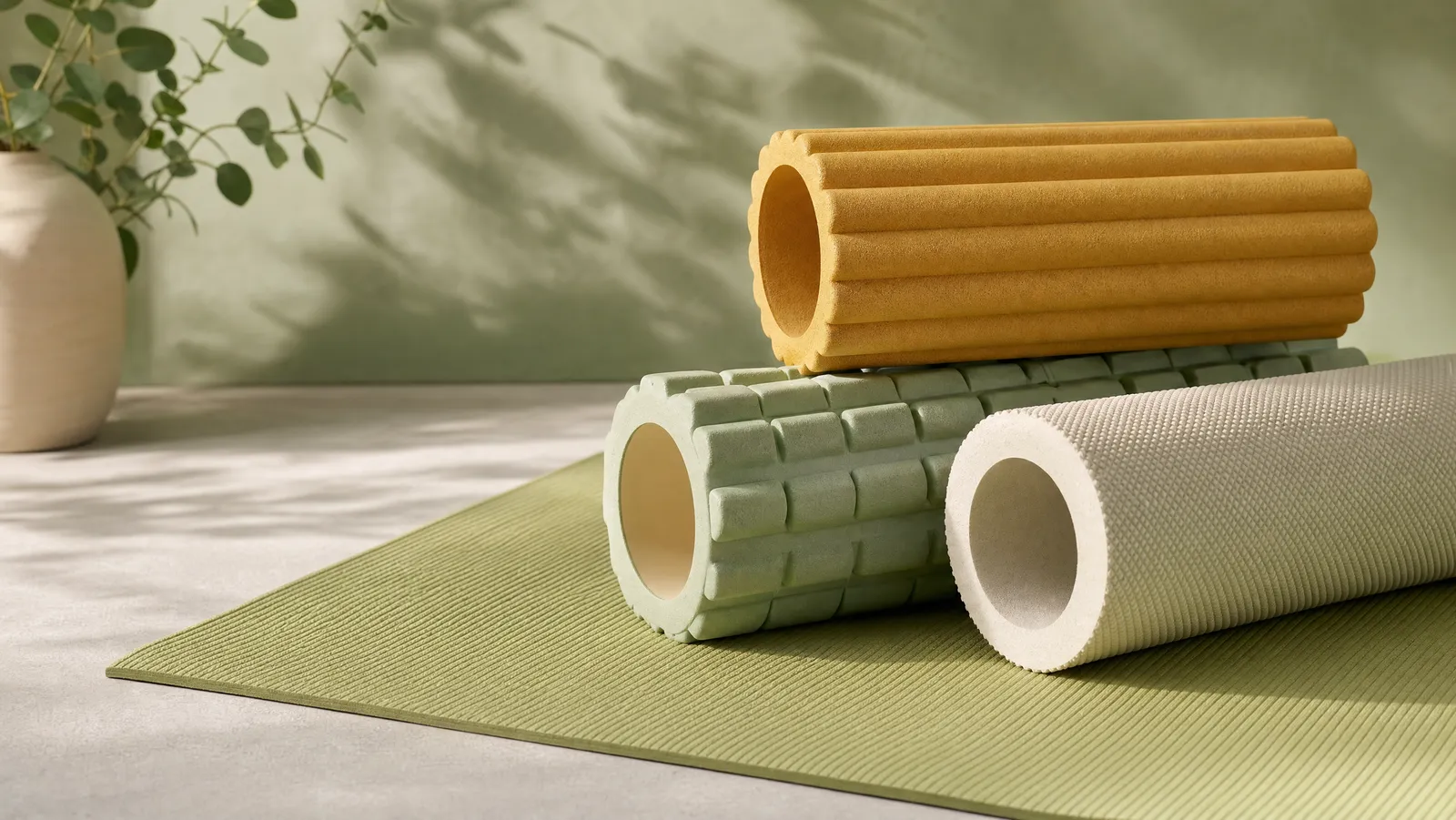
Best Foam Rollers for Recovery & Mobility
The best foam rollers in 2026: what the research says they actually do, how to pick the right density, and our top picks from gentle to deep-tissue.
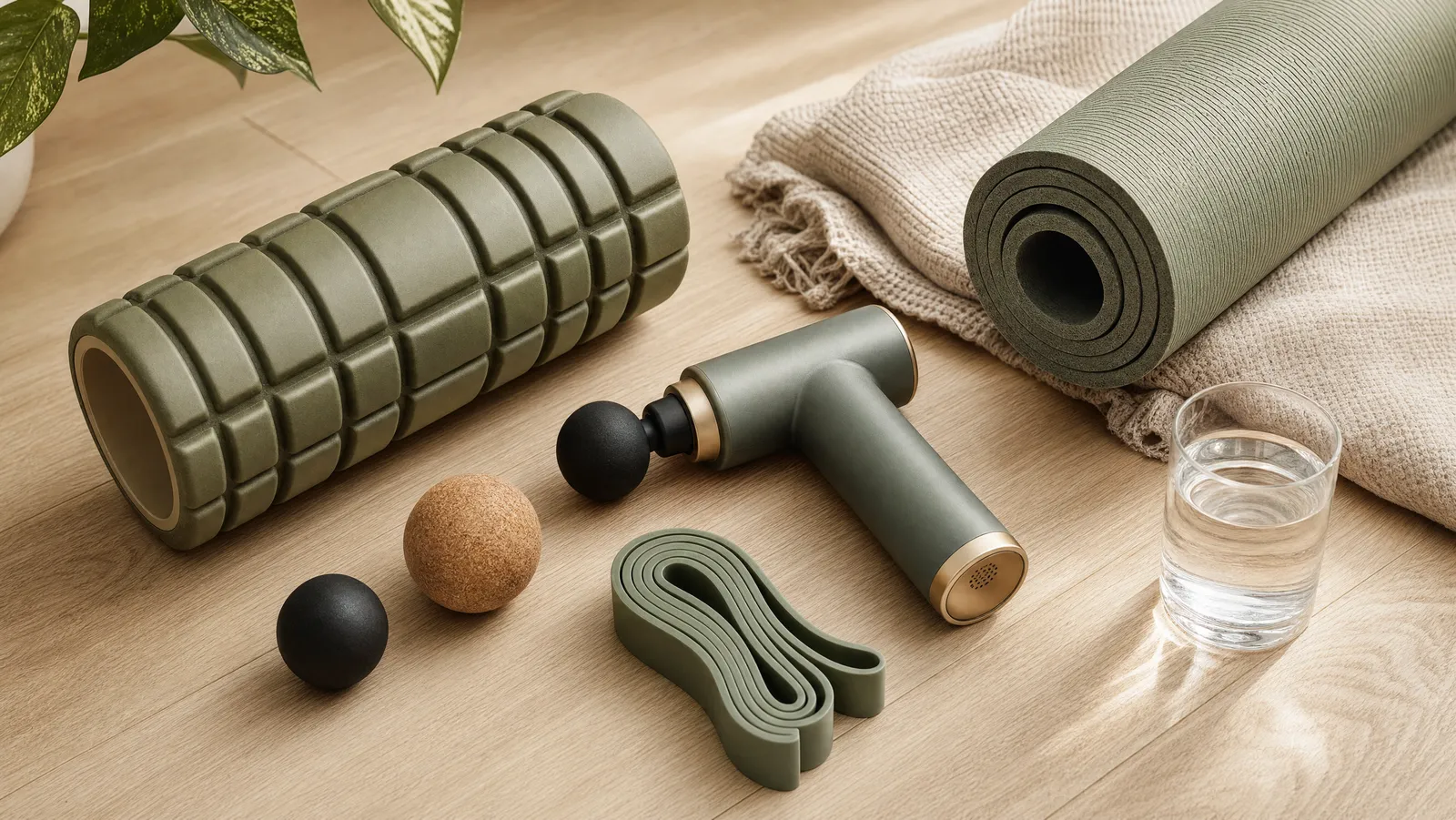
Best Muscle Recovery & Mobility Tools: The Complete Guide
The best muscle recovery and mobility tools, backed by evidence: what massage guns, foam rollers, compression and more actually do, and how to build a routine that keeps you moving.

Best Resistance Bands for Mobility & Stretching
The best resistance bands for mobility, stretching, and gentle strength in 2026: why they're ideal as you age, how to choose, and our top picks.