Muscle Soreness (DOMS): Why It Happens & How to Ease It
Delayed-onset muscle soreness (DOMS) explained: why muscles ache a day or two after exercise, how to ease it, and when soreness signals something more.


Affiliate disclosure: This article contains affiliate links. As an Amazon Associate we earn from qualifying purchases, at no extra cost to you. Learn more.
You try a new workout, tackle a big day in the yard, or finally use those stairs — and feel fine. Then, a day or two later, your muscles ache so much that sitting down becomes an event. That delayed, deep soreness has a name: DOMS, or delayed-onset muscle soreness. It is one of the most common and misunderstood experiences in fitness, and it becomes more noticeable as we age. This guide explains what DOMS actually is, how to ease it, how to prevent it, and when soreness is a sign of something that needs attention.
For the tools that can help you feel better, see our complete guide to muscle recovery and mobility tools.
The Day-After Ache, Explained
DOMS is the muscle pain and stiffness that shows up not during or right after exercise, but typically 24 to 72 hours later. It is brought on especially by unfamiliar activity or by "eccentric" movements — the lengthening phase of a muscle's work, like lowering a weight or walking downhill. The classic culprit is doing something your body isn't used to.
For years people blamed lactic acid, but that's a myth — lactic acid clears within an hour of exercise. The current understanding is that DOMS results from microscopic damage to muscle fibers and the connective tissue around them, and the inflammatory repair process that follows. Importantly, this is a normal part of how muscles adapt and get stronger — DOMS is not a sign of injury or that you "worked out wrong." It usually peaks around two days in and fades within a few days as the muscle repairs and adapts.
Easing the Soreness
While DOMS resolves on its own, a few approaches genuinely make it more bearable. Gentle movement is one of the most effective: light activity like walking or easy cycling boosts blood flow and often eases soreness more than complete rest. Heat helps too — meta-analyses find heat (and cold) meaningfully reduce DOMS pain, and warmth is especially soothing for stiffness, as we cover in our heating pad guide.
Self-massage with a foam roller or massage gun modestly reduces the perception of soreness and can feel great. Staying hydrated and getting enough protein and sleep support the repair process. Over-the-counter pain relief can help for significant discomfort, though some evidence suggests routinely blunting the inflammatory response may slightly interfere with adaptation, so it's best reserved for when you genuinely need it. The realistic goal is comfort while your body does its repair work — not a cure, since time is the main healer.
Preventing DOMS
You can't eliminate DOMS entirely — and wouldn't want to, since it accompanies the adaptations that make you stronger — but you can blunt the worst of it. The single best strategy is progression: increase the intensity, duration, or novelty of activity gradually rather than all at once. A muscle eased into new work gets far less sore than one shocked by it. This is why the same workout that wrecks you the first time barely registers a few weeks later — the "repeated bout effect," where your muscles quickly build resilience to a movement they've done before.
A proper warm-up primes muscles for work, and staying generally active keeps your baseline resilience high so everyday efforts don't trigger major soreness. For older adults especially, consistent, gradual activity is the key to staying capable without constant aches.
When Soreness Means Something More
Normal DOMS is dull, symmetrical, and improves day by day after peaking around 48 hours. Certain signs, though, point to something beyond ordinary soreness and deserve attention. Sharp or sudden pain during exercise (rather than delayed) can indicate a strain or tear. Pain accompanied by significant swelling, bruising, or a joint that feels unstable is worth getting checked.
One rare but serious red flag: severe muscle pain and swelling after extreme, unaccustomed exertion, especially with dark or cola-colored urine, can signal rhabdomyolysis — a medical emergency that needs immediate care. And any pain that is worsening rather than improving after several days, or that doesn't fit the normal DOMS pattern, is reason to see a clinician rather than wait it out.
How Long Does DOMS Last?
Delayed-onset muscle soreness typically appears 24 to 72 hours after exercise, peaks around the two-day mark, and resolves within three to five days as the muscle repairs and adapts. More intense or unfamiliar activity can extend that timeline slightly. If significant soreness lasts well beyond a week, or is getting worse rather than better, it's worth having it evaluated, since that's not the usual DOMS pattern.
Should You Work Out With Sore Muscles?
Light activity is fine and often helpful — gentle movement of sore muscles can ease the ache. What's best avoided is intense training of the same muscle group while it's significantly sore, since it needs time to repair and adapt. A good rule is to work different muscles, do gentle active recovery, or take an easier day until the soreness subsides. Pain that's sharp rather than the dull ache of DOMS is a signal to rest and reassess.
Is DOMS a Sign of a Good Workout?
Not necessarily. DOMS mainly reflects doing something new or unfamiliar, not how effective a workout was — you can make excellent progress with little soreness once your body adapts to a routine. Chasing soreness as a badge of honor is counterproductive and can lead to overdoing it. Judge your training by consistency and gradual progress, not by how sore you feel the next day.
The Bottom Line
DOMS is the normal, temporary soreness that follows unfamiliar or intense exercise, caused by microscopic muscle repair rather than lactic acid — and it's part of how you get stronger. Ease it with gentle movement, heat, self-massage, hydration, and sleep, and prevent the worst of it by progressing gradually. Watch for the red flags that signal something more than ordinary soreness. For the tools that keep you comfortable while you recover, see our complete guide to muscle recovery and mobility tools. This article is general information only and not medical advice.
Keep reading
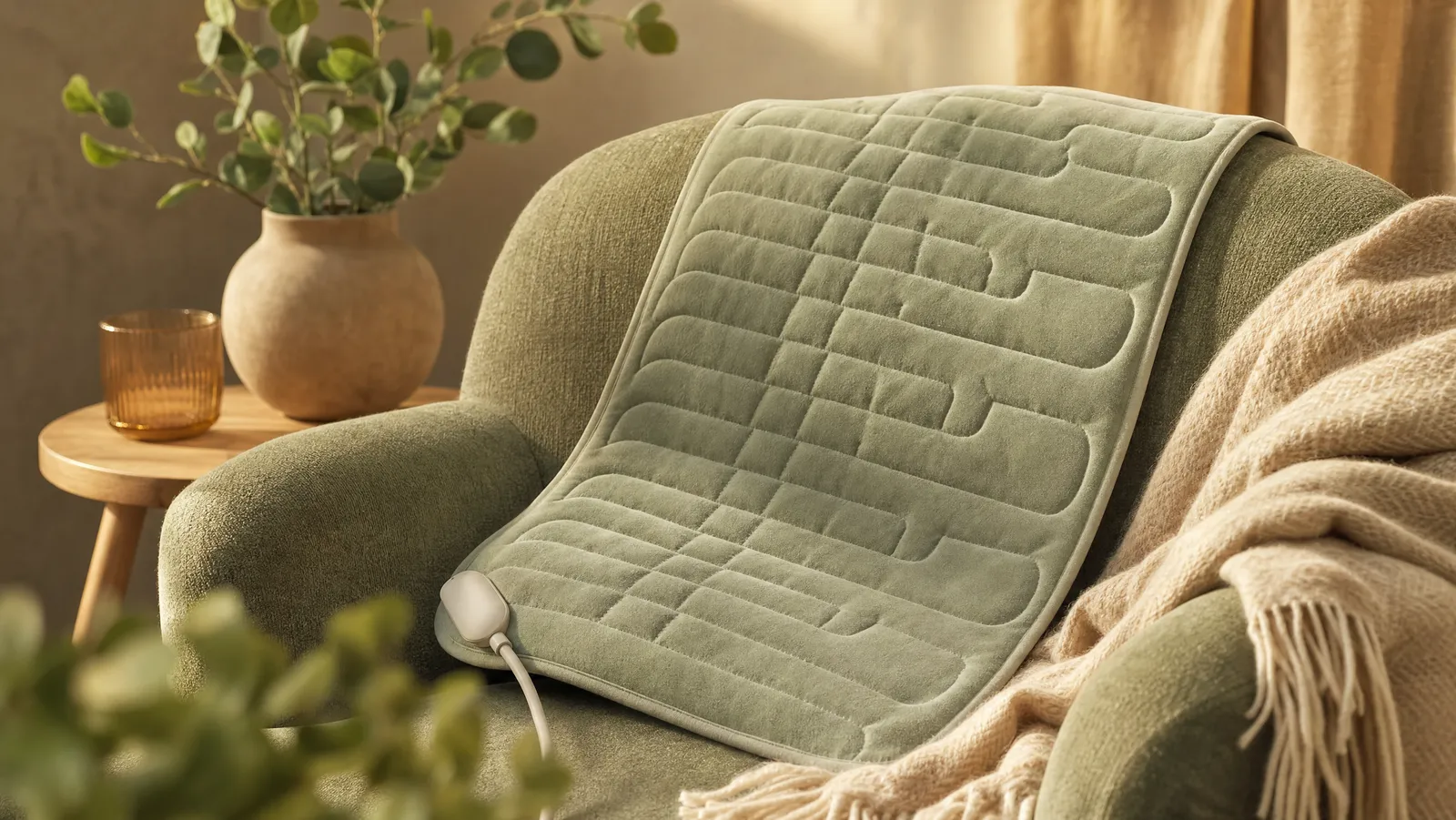
Best Heating Pads for Muscle & Joint Pain
The best heating pads for muscle and joint pain in 2026: when to use heat (vs cold), what to look for, and our top picks from classic to cordless.
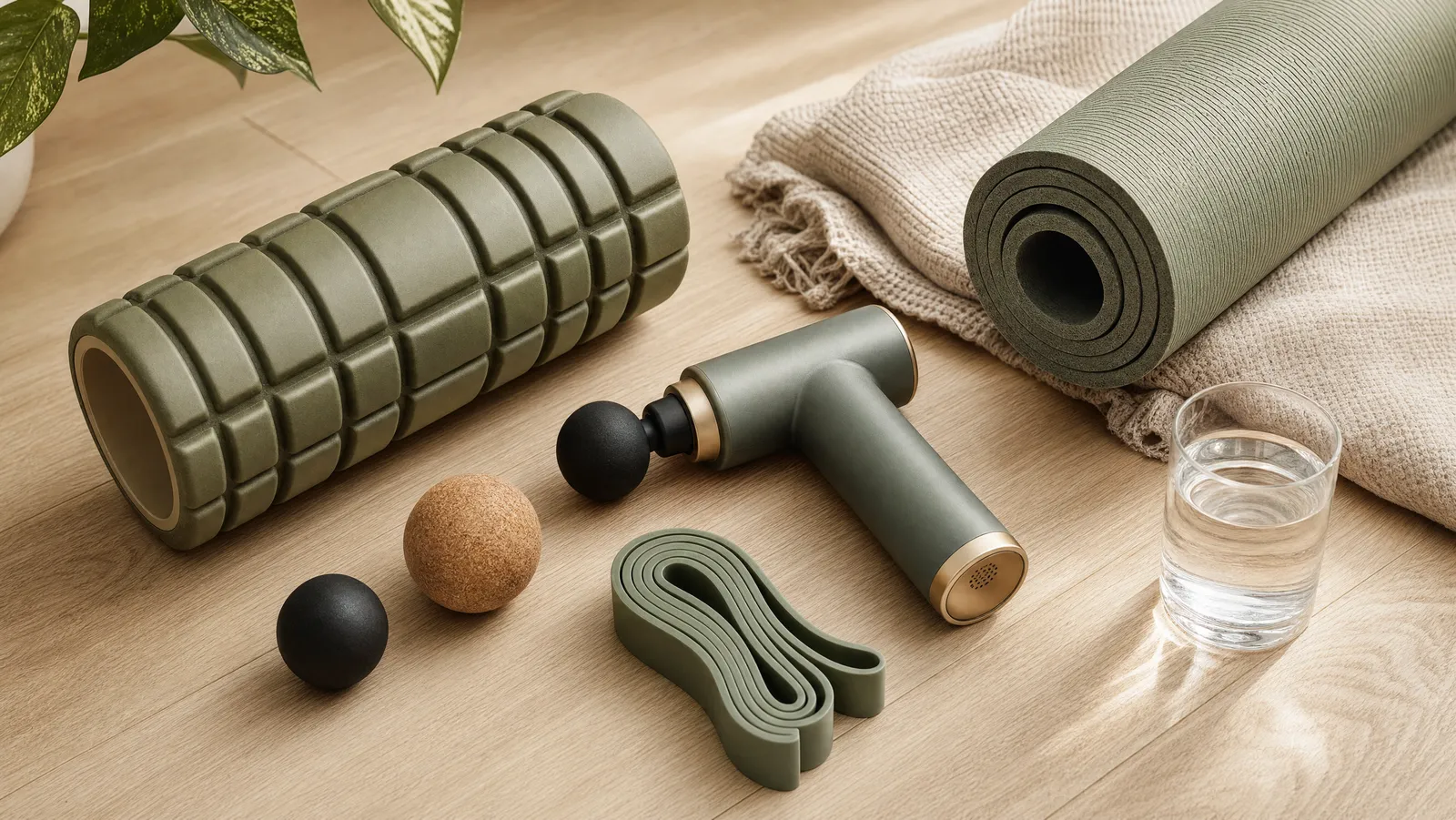
Best Muscle Recovery & Mobility Tools: The Complete Guide
The best muscle recovery and mobility tools, backed by evidence: what massage guns, foam rollers, compression and more actually do, and how to build a routine that keeps you moving.
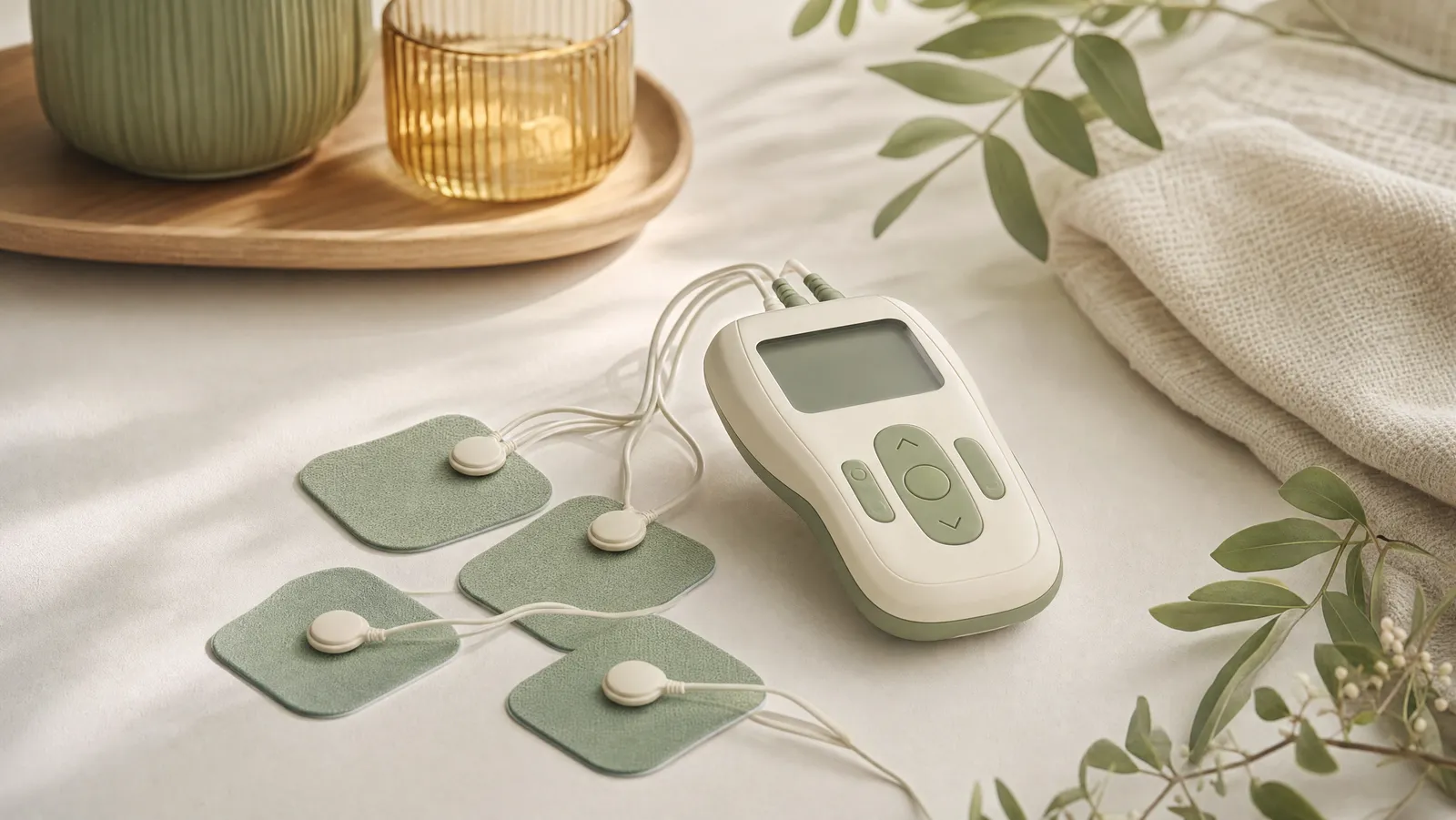
Best TENS & EMS Units for Muscle Pain & Recovery
The best TENS and EMS units for muscle pain and recovery: how they work, what the evidence shows, how to use them safely, and our top picks.