Best Massage Balls & Trigger-Point Tools
The best massage balls and trigger-point tools in 2026: how to use them for knots and tight spots, what to look for, and our top affordable picks.

Affiliate disclosure: This article contains affiliate links. As an Amazon Associate we earn from qualifying purchases, at no extra cost to you. Learn more.
◆ The verdict
3 reviewed- 1Our PickYoga Tune Up Therapy Balls in ToteCheck price ▸
- 2Best MultipackSignature Lacrosse Massage Ball SetCheck price ▸
- 3Best BudgetFITZELAR Massage Lacrosse BallCheck price ▸
For all the attention that massage guns and foam rollers get, the humblest recovery tool is often the most useful: a simple massage ball. Where a foam roller glides over broad areas, a small ball digs into the specific knots a roller skips — the stubborn spot between your shoulder blades, the tight glute, the aching arch of your foot. They cost a few dollars, fit in a bag, and deliver pinpoint relief that bigger tools can't. This guide explains how to use them, what to look for, and our top picks.
For where massage balls fit among other tools, see our complete guide to muscle recovery and mobility tools, and our companion guide to foam rollers for broader muscle work.
Why a Massage Ball Earns Its Place
A massage ball is the tool for targeted, trigger-point self-massage. By concentrating your body weight onto a small area, it reaches deeper into a specific knot than a broad roller can — pressing a tight spot against the floor, a wall, or a chair to release tension. The benefits sit in the same evidence family as foam rolling: improved short-term range of motion and reduced muscle-soreness perception. The difference is precision.
Massage balls shine in places a roller cannot easily reach: the feet (rolling underfoot is excellent for plantar tension), the glutes and hips, the upper back and shoulder blades, and the forearms. They are also unbeatable for value and portability — keep one at your desk and you can work out a tight shoulder during a meeting. For anyone who sits a lot, that accessibility makes them one of the most-used tools in the drawer.
How to Choose a Massage Ball
The main variables are firmness and size. Firmer balls (like lacrosse balls) deliver intense, deep pressure that experienced users prefer; softer or grippy-latex balls are more forgiving for sensitive areas and beginners. Smaller balls (around 2.5 inches) target precise points, while larger balls cover broader areas like the mid-back, and "peanut"-shaped double balls straddle the spine to work the muscles on either side without pressing on it.
Look for durable material that holds its shape — natural rubber or latex outlasts cheap foam — and a bit of grip so the ball stays put against a wall or floor rather than skidding away. Many people end up with a small set: a firm ball for deep work and a softer one for sensitive spots.
Our Top Massage Ball Picks
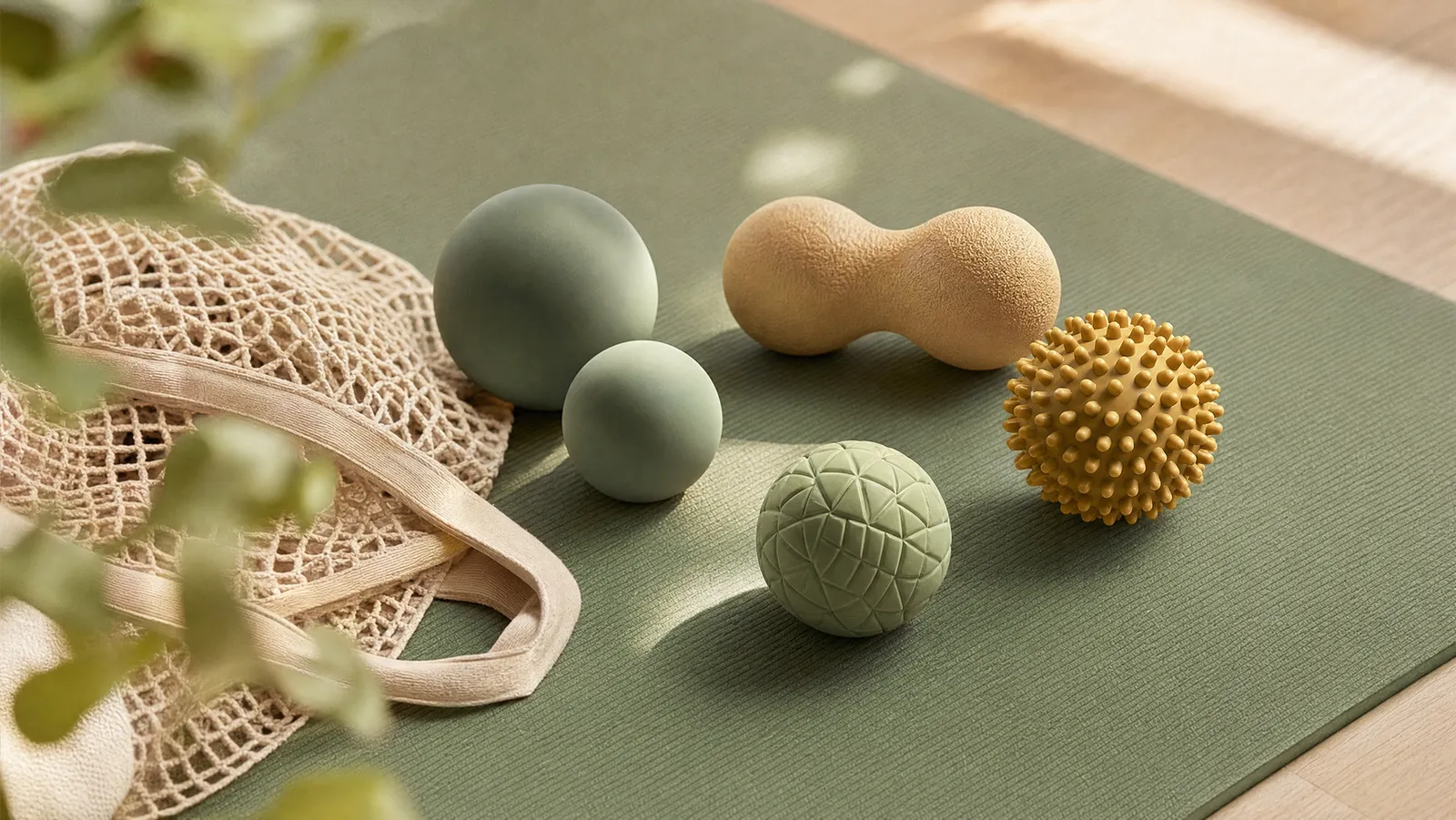
Our overall pick, the Yoga Tune Up Therapy Balls, offers a grippy, slightly-giving texture that targets knots precisely without the harshness of a hard ball — versatile and approachable, from a respected name in self-massage. For firm, durable pressure and the convenience of stashing one everywhere, the Signature Lacrosse Ball Set is excellent value. And the single FITZELAR Massage Ball is a rock-bottom-priced way to get effective, moderate-firmness relief.
If your tightness is spread across broad areas rather than pinpoint knots, pair a ball with a foam roller — see our foam roller guide — or consider a massage gun for faster, hands-free work, compared in our massage gun vs. foam roller breakdown.
How to Use a Massage Ball
Place the ball between your body and a surface — the floor for glutes and back, a wall for shoulders and upper back, or under your foot while seated or standing. Apply gentle pressure, then slowly explore until you find a tender spot. Hold steady pressure there for 20 to 30 seconds, breathing slowly, until the tension eases, or make small movements over the area. The sensation should be firm, "good" discomfort — never sharp pain.
A few cautions: keep the ball on muscle, not directly on the spine, joints, or bones, and avoid grinding aggressively on an acutely injured area. Start with a softer ball or less body weight (against a wall rather than the floor) if you are new to it, and ease off if a spot becomes more irritated rather than less.
Are Lacrosse Balls Good for Massage?
Yes — a lacrosse ball is a popular, inexpensive trigger-point tool thanks to its firm, durable rubber and ideal size. The main caveat is that lacrosse balls are quite hard, which makes them intense and potentially too much for sensitive areas or beginners. If you find a lacrosse ball too aggressive, a softer, grippy massage ball offers a gentler alternative while still reaching knots effectively.
Massage Ball or Foam Roller — Which Should I Get?
They complement each other rather than compete. A foam roller covers broad areas like the quads, hamstrings, and back, while a massage ball targets specific knots a roller glides over. If you only buy one, choose based on your main complaint: a roller for general tightness over large muscles, a ball for stubborn pinpoint knots (especially in the feet, glutes, and shoulders). Together they make an inexpensive, complete self-massage kit.
The Bottom Line
A massage ball is the most affordable, portable recovery tool you can own, and the best choice for digging into the specific knots a foam roller can't reach. Pick your firmness by experience level, keep one wherever you sit, and use steady, tolerable pressure on tight spots. Our top pick is the versatile Yoga Tune Up Therapy Balls, with durable lacrosse balls for firm-pressure value. For the complete approach, see our guide to muscle recovery and mobility tools. This article is general information only and not medical advice.

Yoga Tune Up Therapy Balls in Tote
From Tune Up Fitness — the team behind the Roll Model Method used by movement educators worldwide — these 2.5-inch grippy, natural-latex balls deliver controlled, pliable pressure that is firm but more forgiving than a hard rubber ball. They can be used singly or together, and come with a mesh tote for travel.
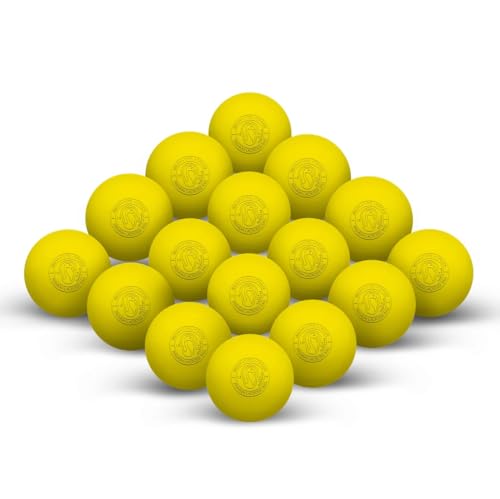
Signature Lacrosse Massage Ball Set
Firm, durable lacrosse balls that double as serious trigger-point tools, with a grippy rubber formula and zero-defect manufacturing that holds up far longer than cheap balls. Buying a multipack means you can stash one at your desk, in your gym bag, and by the couch.
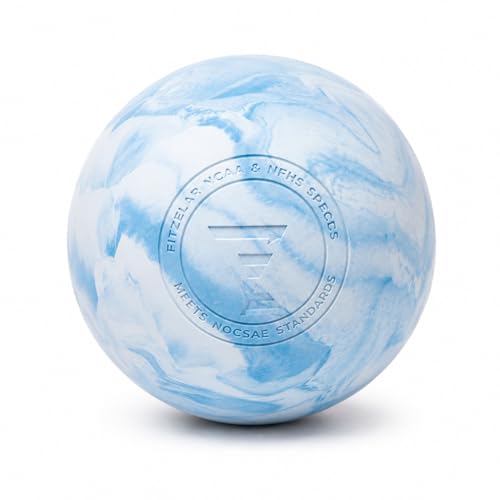
FITZELAR Massage Lacrosse Ball
A single 2.5-inch natural-rubber massage ball at a rock-bottom price, with a moderate 45-degree hardness — softer than a golf ball, firmer than a tennis ball — that reaches the fascia for back, foot, neck, and shoulder relief. Comes with a small carry bag.
Keep reading
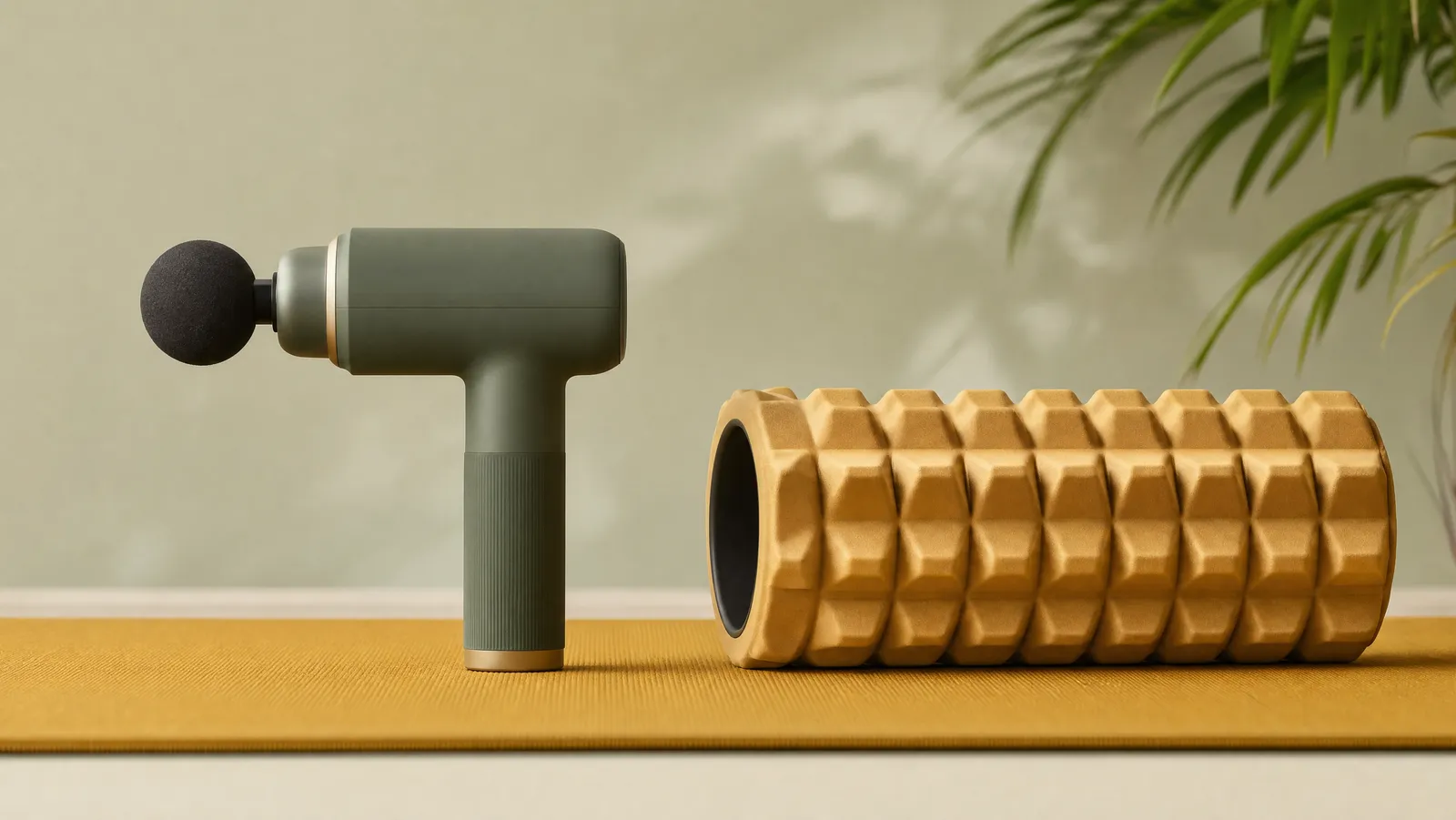
Massage Gun vs. Foam Roller: Which Do You Need?
Massage gun vs. foam roller: how they compare for recovery, mobility, pain, and value — and which one (or both) is right for you.
The Best Massage Guns for Muscle Pain Relief in 2026
The best massage guns for muscle pain relief in 2026. What percussive therapy can (and cannot) do, how to choose one, and our top picks.
Best Compression Boots & Leg Massagers for Recovery
The best compression boots and leg massagers in 2026: what the evidence really shows, who benefits, and our top picks from premium to budget.