How to Use a Foam Roller (Beginner's Guide)
How to use a foam roller, step by step: correct technique, the best areas to roll, what to avoid, and beginner-friendly routines for recovery and mobility.

Affiliate disclosure: This article contains affiliate links. As an Amazon Associate we earn from qualifying purchases, at no extra cost to you. Learn more.
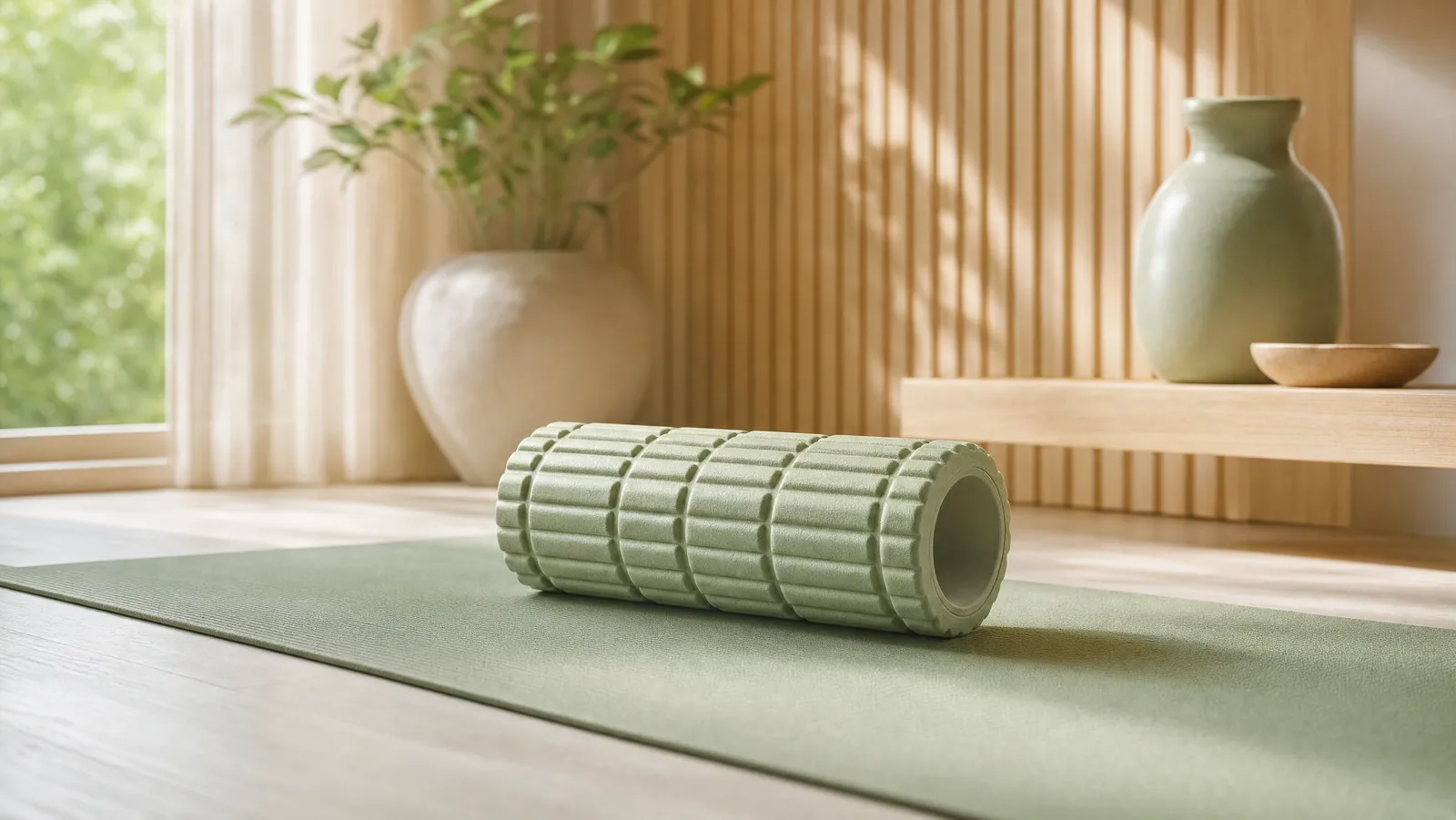
A foam roller is one of the most effective and affordable recovery tools you can own — but only if you use it correctly. Done well, foam rolling eases muscle tension and improves your short-term range of motion, both backed by research. Done poorly, it is at best ineffective and at worst irritating. This beginner's guide walks you through the proper technique, the best areas to target, and the mistakes to avoid, so you get real benefit from those few minutes on the roller.
If you still need to choose a roller, see our guide to the best foam rollers for picks across firmness levels. For where rolling fits among other tools, see our complete guide to muscle recovery and mobility tools.
What Foam Rolling Does
Foam rolling is a form of self-massage: you use your body weight to apply sustained pressure to a muscle, which helps it relax and release tension. The research supports two main benefits — a short-term improvement in range of motion and a modest reduction in the perception of muscle soreness. In practice, that means rolling helps you feel looser and move more freely, whether before activity to prime your muscles or after to ease tightness.
What rolling does not do is "break up" scar tissue or melt away knots permanently, despite popular claims. The benefits are real but temporary, which is why consistency — a few minutes regularly — matters more than occasional marathon sessions.
Foam Rolling Technique: Step by Step
Good technique is simple, but the details matter. Here is the basic approach for any muscle group.
Steps:
- Position the muscle on the roller. Place the target muscle (say, your calf or quad) on top of the roller, supporting your body weight with your hands or your other leg.
- Find the tender spots. Roll slowly — about one inch per second — until you locate an area that feels tight or tender. Go slowly; racing back and forth does little.
- Pause and hold. When you hit a tender spot, stop and hold steady pressure there for 20 to 30 seconds, breathing slowly, until you feel the tension begin to ease.
- Control the pressure. Adjust how much body weight you put on the roller so the sensation is firm, "good" discomfort — never sharp pain. Use your hands or a supporting limb to lighten the load if needed.
- Cover the muscle. Slowly work the length of the muscle, spending a total of one to three minutes per area before moving on.
- Breathe and relax. Keep breathing steadily; tensing up works against the release you're trying to create.
The Best Areas to Foam Roll
Foam rolling works best on large, fleshy muscle groups. The most useful targets for most people are the calves, quadriceps (front of thighs), hamstrings (back of thighs), glutes, IT band area (outer thigh — roll the muscles, gently), and the upper and mid-back. For the back, cross your arms over your chest and support your head, rolling only the upper and mid-back where the rib cage protects your spine.
For smaller, hard-to-reach spots a roller glides over — like the muscles around the shoulder blade, the deep glute, or the arch of the foot — a small massage ball works better. See our guide to the best massage balls and trigger-point tools to round out your kit.
What to Avoid
A few mistakes are worth steering clear of. Don't roll directly on your lower back — the lumbar spine isn't protected by bone there, so target the glutes and mid-back instead. Don't roll over joints or bones, only muscle. Don't grind aggressively on one painful spot for minutes on end, which can irritate rather than relax it. Don't hold your breath or roll so hard it causes sharp pain — that's a sign to ease off. And avoid rolling an acutely injured, swollen, or bruised area until it has healed.
If you have a medical condition, are recovering from injury or surgery, or take blood thinners (which can increase bruising), check with a doctor or physical therapist before starting.
When Should You Foam Roll?
You can foam roll before activity, after, or as a standalone practice. Rolling before exercise can temporarily improve range of motion as part of a warm-up, without the strength-reducing effect that long static stretching can have. Rolling after exercise, or in the evening, helps ease tension and soreness. Either is fine — the best time is whenever you'll actually do it consistently. Many people keep a roller by the couch and use it while watching TV.
How Long Should You Foam Roll?
A few minutes is plenty: aim for one to three minutes per muscle group, and a total session of five to fifteen minutes depending on how much you're targeting. Longer isn't better, and spending too long grinding on a single spot can backfire. Short, regular sessions deliver the range-of-motion and comfort benefits far better than occasional long ones.
The Bottom Line
Foam rolling is simple once you know the basics: position the muscle, roll slowly to find tender spots, hold with tolerable pressure, and breathe — for a few minutes per area, a few times a week. Stick to large muscle groups, avoid your lower back and joints, and keep the pressure firm but never sharp. Used consistently, it is a cheap, effective way to stay loose and mobile. Pick a roller in our best foam rollers guide, and see the complete recovery toolkit for everything else. This article is general information only and not medical advice.
Keep reading
Massage Gun vs. Foam Roller: Which Do You Need?
Massage gun vs. foam roller: how they compare for recovery, mobility, pain, and value — and which one (or both) is right for you.
Best Foam Rollers for Recovery & Mobility
The best foam rollers in 2026: what the research says they actually do, how to pick the right density, and our top picks from gentle to deep-tissue.
Best Compression Boots & Leg Massagers for Recovery
The best compression boots and leg massagers in 2026: what the evidence really shows, who benefits, and our top picks from premium to budget.