Massage Gun vs. Foam Roller: Which Do You Need?
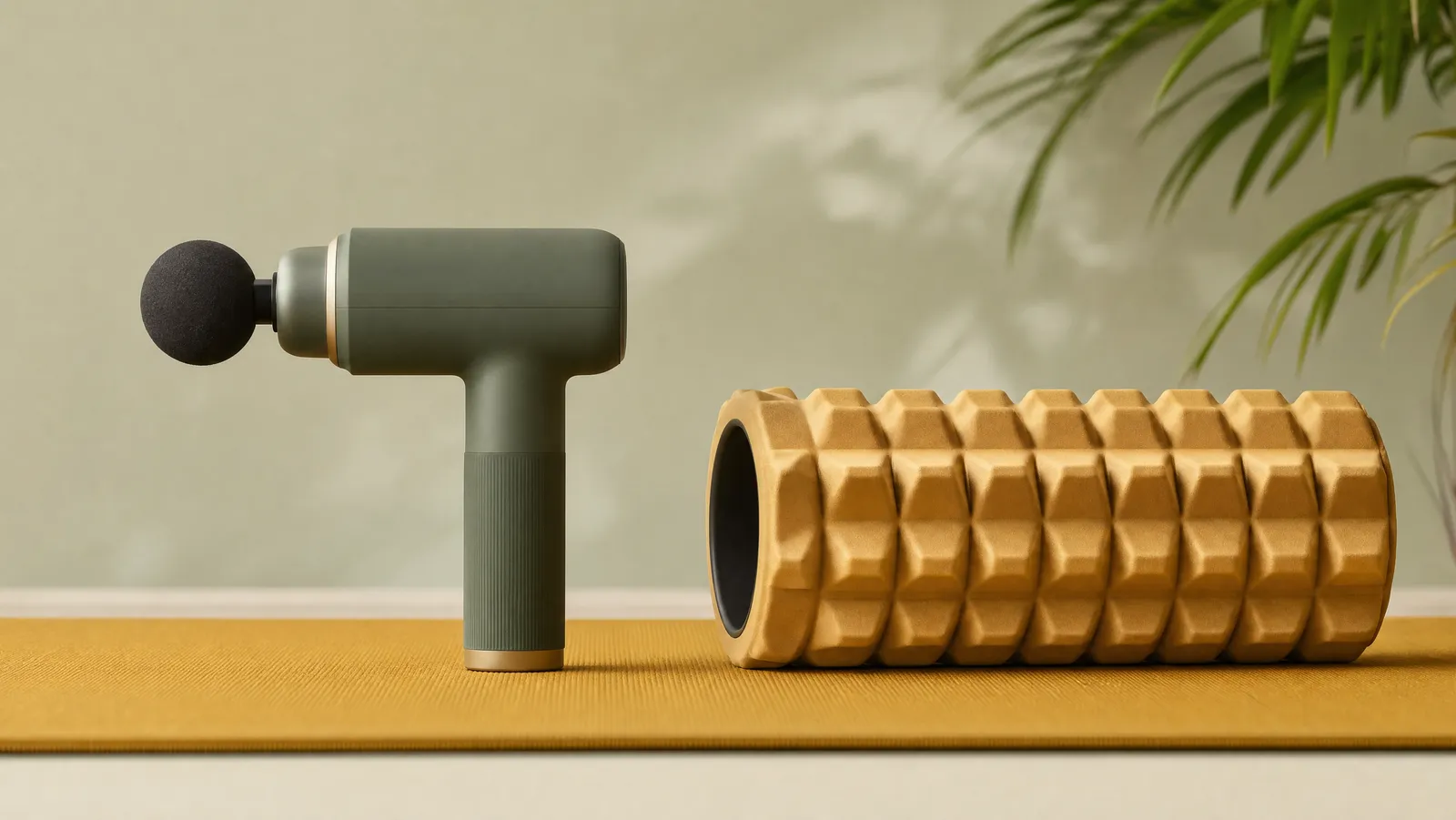
Massage gun vs. foam roller: how they compare for recovery, mobility, pain, and value — and which one (or both) is right for you.

Affiliate disclosure: This article contains affiliate links. As an Amazon Associate we earn from qualifying purchases, at no extra cost to you. Learn more.
◆ The verdict
3 reviewed- 1Best Foam RollerTriggerPoint GRID 1.0 Foam Roller, 13-inchCheck price ▸
- 2Best Value Massage GunOpove M3 Pro 2 Deep Tissue Percussion Massage GunCheck price ▸
- 3Best Premium Massage GunTheragun PRO (4th Gen) Percussive Massage GunCheck price ▸
It is the most common question in home recovery: should you buy a massage gun or a foam roller? Both ease muscle tension, improve mobility, and reduce soreness — and both have genuine research behind those benefits — but they do it differently, at very different price points. This guide compares them head to head across the things that actually matter, so you can decide which one fits your body, budget, and habits (or whether, like many people, you will end up using both).
For the full landscape of recovery options, see our complete guide to muscle recovery and mobility tools. Here we settle the specific showdown.
The Quick Answer
If you want one affordable, well-studied, no-fuss tool, start with a foam roller — it is cheaper, needs no charging, and excels at broad muscle release and mobility. If you want speed, convenience, easier reach, and targeted intensity (and don't mind spending more), a massage gun is the upgrade. They overlap a lot, but a roller is the better first purchase for most people, and a massage gun is the better complement or upgrade. Neither is a wrong choice.
How They Compare
Both tools have similar evidence behind them — research supports each for improving short-term range of motion and reducing the perception of muscle soreness — so the decision comes down to practical differences rather than effectiveness.
Coverage and convenience. A foam roller is ideal for large muscle groups (quads, hamstrings, back) and uses your body weight, but it requires getting on the floor and positioning yourself. A massage gun reaches almost anywhere — including spots that are awkward to roll, like the shoulders or your own neck — while you stay seated or standing, which is a real advantage if floor work is uncomfortable.
Intensity and control. Massage guns deliver fast, targeted, adjustable percussion and let you pinpoint a specific knot precisely. Foam rollers provide broader, sustained pressure that some people find more effective for general tightness, and the intensity scales naturally with how much body weight you apply.
Price and simplicity. This is the foam roller's biggest edge: a quality roller costs a fraction of a good massage gun, never needs charging, and can't break. A massage gun is a bigger investment, needs battery upkeep, and has motors that can eventually wear out — but it buys speed and ease.
When to Choose a Foam Roller
A foam roller is the better pick if you want maximum value, prefer a simple tool with nothing to charge or break, and mainly want to work large muscle groups and general mobility. It is also the best starting point if you are new to recovery tools — inexpensive, forgiving, and well-studied. The main downsides are that it requires floor space and the physical ability to get down and shift your weight, which can be a barrier for some older users or those with limited mobility. Our guide to the best foam rollers covers densities from gentle to deep-tissue.
When to Choose a Massage Gun
A massage gun is the better pick if convenience and reach matter to you — if getting on the floor is uncomfortable, if you want to target hard-to-reach areas like your own shoulders and neck, or if you value fast, targeted relief in a couple of minutes. The percussion is also easy to apply with little effort, which suits people who find foam rolling physically demanding. The trade-offs are cost, charging, and the small chance of mechanical failure over time. Our guide to the best massage guns compares options from budget to premium.
Our Picks for Each
If you are buying a foam roller, the TriggerPoint GRID 1.0 is our top pick — durable, effective, and great value. If you are buying a massage gun, the Opove M3 Pro 2 is the value sweet spot with genuine deep-tissue power, while the Theragun PRO is the premium benchmark for serious or daily heavy users. For pinpoint knots that both can struggle with, also consider a massage ball.
Can You Use Both a Massage Gun and a Foam Roller?
Absolutely — many people do, because they complement each other. A common approach is to use a foam roller for broad, general muscle work over large areas and a massage gun for quick, targeted relief on specific spots or hard-to-reach areas. If budget allows, owning both gives you the best of both worlds. If you can only buy one now, start with a foam roller and add a massage gun later as an upgrade.
Which Is Better for Lower Back Pain?
For the muscles around the lower back, both can help ease tension, but use either with care: avoid rolling or hammering directly on the spine, and focus on the surrounding muscles (glutes, hips, mid-back). A massage gun on a low setting offers more control over pressure and placement, while a foam roller is better for the upper and mid-back. For genuine lower-back pain, gentle mobility work and strengthening often help more than aggressive self-massage — and persistent back pain warrants a clinician's evaluation.
The Bottom Line
Massage guns and foam rollers deliver similar core benefits — better short-term mobility and less soreness — so the choice is about practicality. Pick a foam roller for value, simplicity, and broad muscle work; pick a massage gun for convenience, reach, and targeted intensity; or use both for complete coverage. For most people starting out, an affordable foam roller like the TriggerPoint GRID is the smart first buy. Explore our foam roller and massage gun guides to choose a specific model, and see the complete recovery toolkit for everything else. This article is general information only and not medical advice.

TriggerPoint GRID 1.0 Foam Roller, 13-inch
The benchmark foam roller: a durable multi-density surface that is firm and effective without being punishing, in a convenient 13-inch size. Inexpensive, requires no charging, and is the best-value entry point for broad muscle release and mobility.
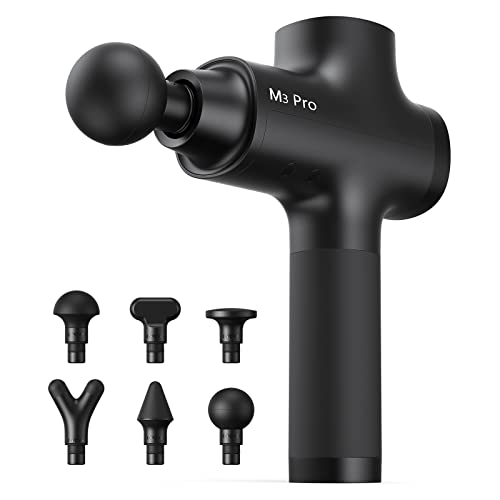
Opove M3 Pro 2 Deep Tissue Percussion Massage Gun
A deep-tissue percussion gun with strong amplitude and stall force for real pressure, five speeds, and long battery life at a mid-range price. It delivers most of the performance of premium guns and is easy to apply to hard-to-reach spots without getting on the floor.

Theragun PRO (4th Gen) Percussive Massage Gun
A professional-grade percussion gun with a powerful brushless motor, deep 16mm amplitude, quiet operation, long battery life across two swappable batteries, and app-guided routines. The most capable percussion option for serious athletes and daily heavy users.
Keep reading
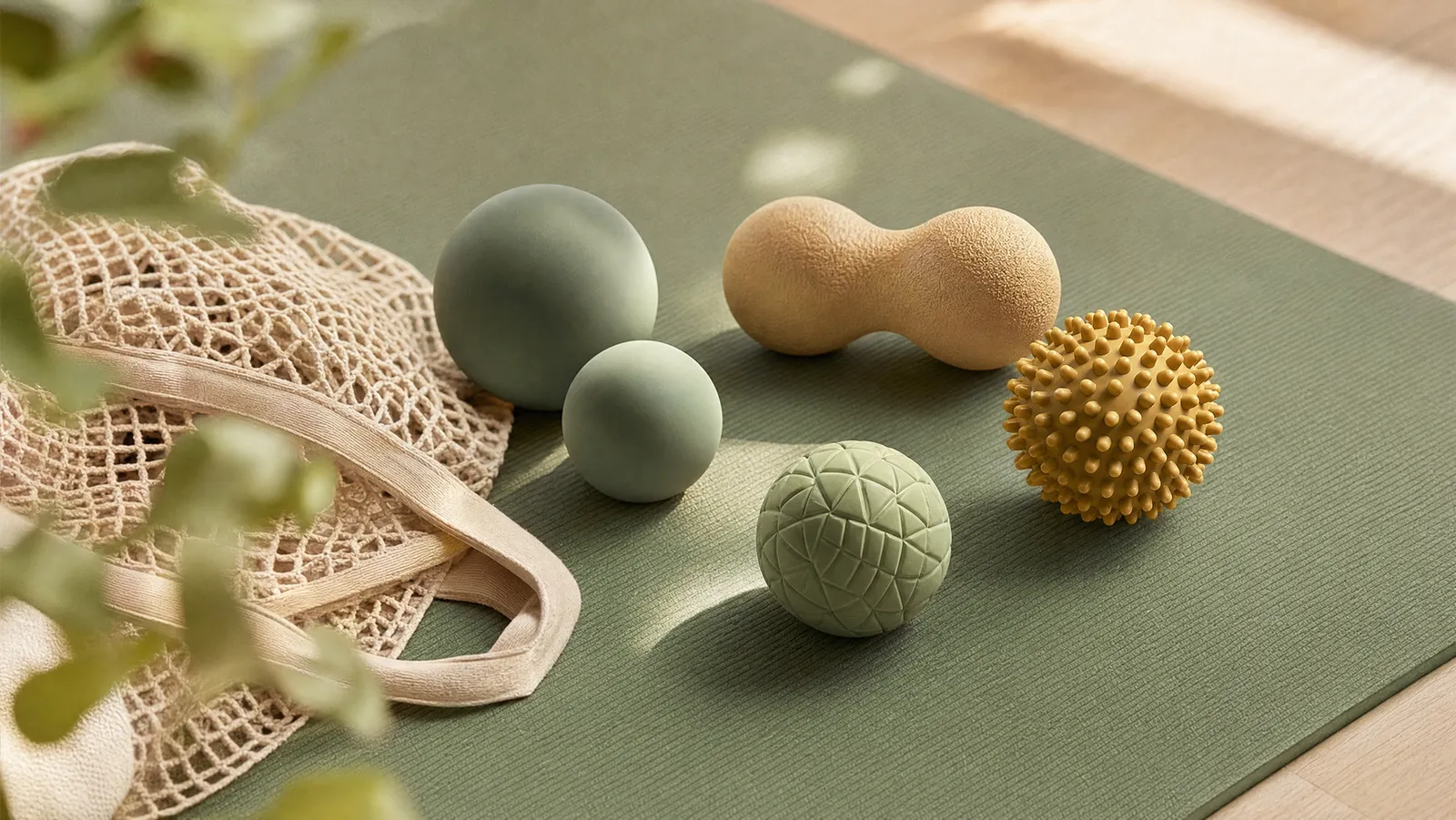
Best Massage Balls & Trigger-Point Tools
The best massage balls and trigger-point tools in 2026: how to use them for knots and tight spots, what to look for, and our top affordable picks.
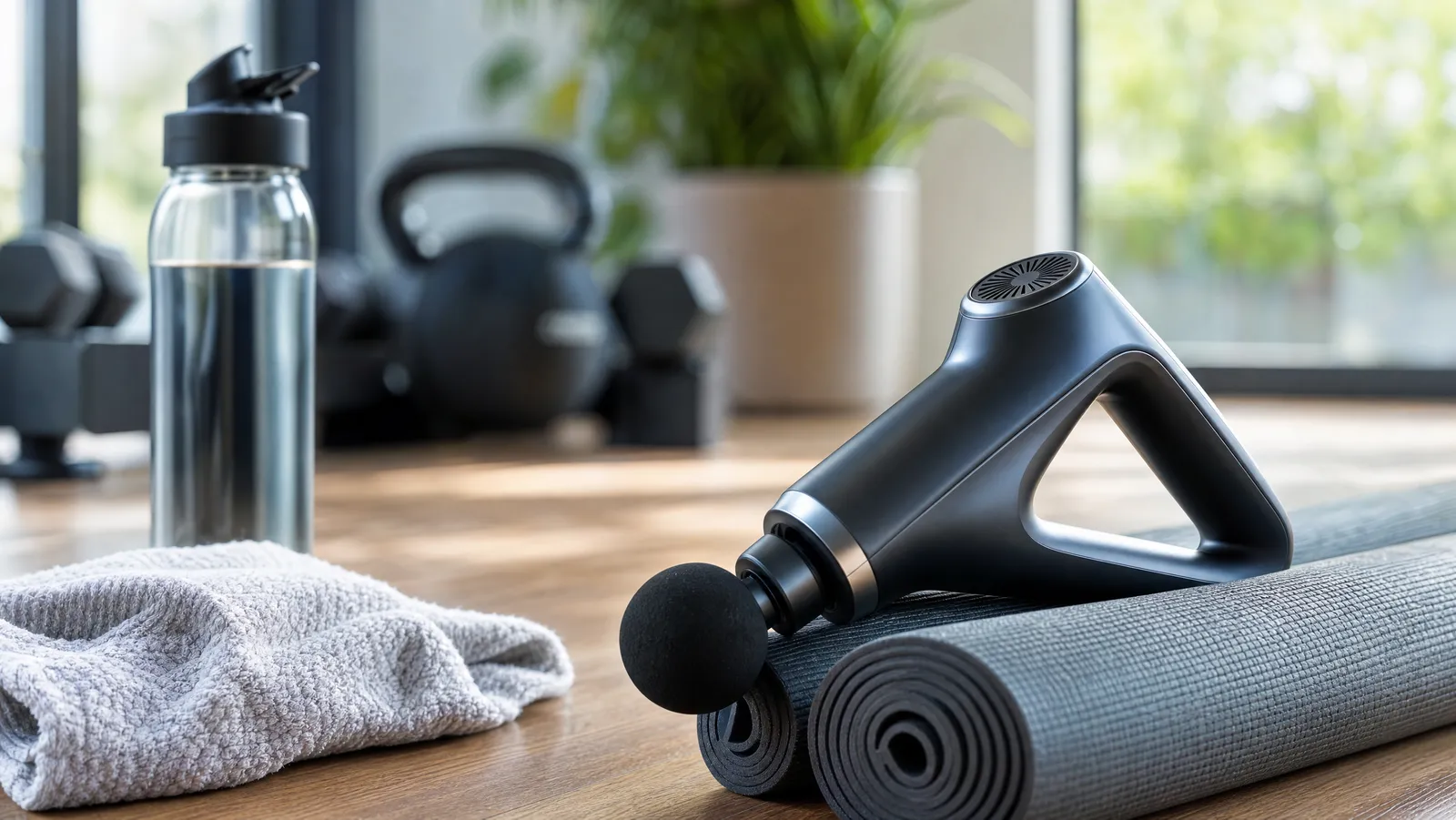
The Best Massage Guns for Muscle Pain Relief in 2026
The best massage guns for muscle pain relief in 2026. What percussive therapy can (and cannot) do, how to choose one, and our top picks.
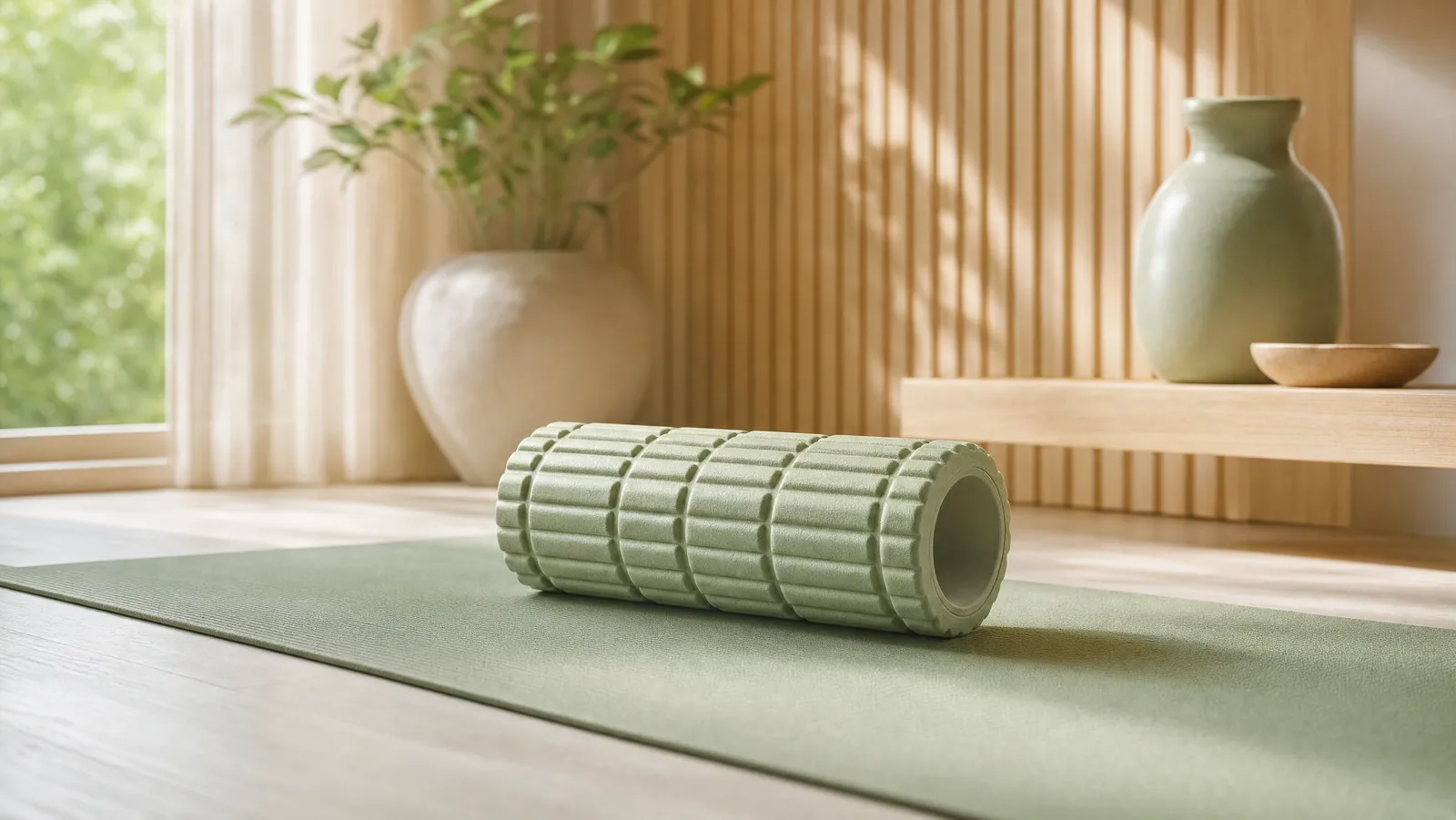
How to Use a Foam Roller (Beginner's Guide)
How to use a foam roller, step by step: correct technique, the best areas to roll, what to avoid, and beginner-friendly routines for recovery and mobility.