How to Measure Your Blood Pressure at Home (Accurately)
How to measure blood pressure at home accurately: pick a validated monitor, use the right posture and cuff, time your checks, and learn what your numbers mean.

Affiliate disclosure: This article contains affiliate links. As an Amazon Associate we earn from qualifying purchases, at no extra cost to you. Learn more.
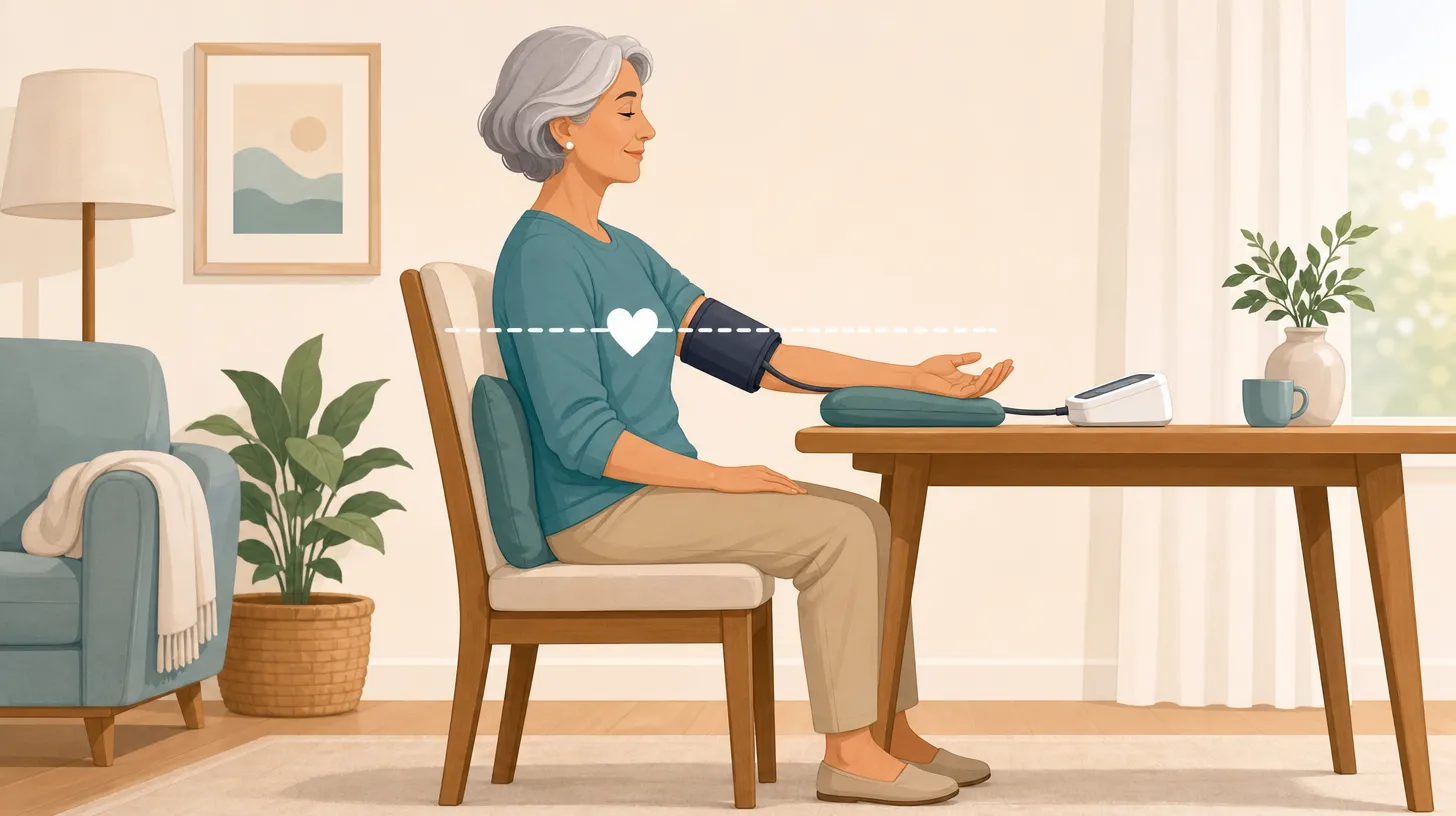
To measure your blood pressure at home accurately, use a validated upper-arm monitor with the correct cuff size, rest quietly for five minutes, then sit with your back supported and feet flat, your arm resting at heart level. Stay silent, and take two or three readings a minute apart — then average them. That average, not any single number, is what matters.
Home readings are among the most useful home health monitoring devices you can put to work, because a careful measurement in your own living room often reflects your true blood pressure better than a rushed reading at the clinic. But small mistakes — an unsupported arm, a full bladder, a bit of conversation mid-cuff — can inflate a reading by more than 10 points. Below is the technique major health authorities actually recommend, plus how to make sense of what you get.
Home Readings Often Beat the Clinic
Nearly half of American adults have high blood pressure, and most do not have it under control. According to the CDC, hypertension affected 47.7% of U.S. adults during 2021–2023, yet only about one in five people with it (20.7%) had their blood pressure controlled to below 130/80 mm Hg. Those are sobering odds, and they are part of why measuring at home is worth learning.
A single clinic reading is a snapshot taken under stress. The unfamiliar setting, the rush, the person in the white coat — all of it can push your numbers up. Doctors call this white-coat hypertension, a pattern where blood pressure reads high in the office but normal in everyday life. Home monitoring captures many readings across ordinary days, which gives your clinician a far more honest picture. The American Heart Association encourages home monitoring precisely because it can confirm a diagnosis, track treatment, and reveal "masked" hypertension that looks fine in the office but runs high the rest of the time.
The Monitor and Cuff You Need
Not all devices are equal. The American Heart Association recommends an automatic, cuff-style, upper-arm (biceps) monitor rather than a wrist or fingertip model, which tend to be less reliable. Just as important, the AHA advises choosing a monitor that has passed independent validation testing for accuracy — a step that separates clinically trustworthy devices from cheap novelties.
Cuff size is the other half of the equation. A cuff that is too small reads high; one that is too large reads low. Mayo Clinic notes that the inflatable part of the cuff should wrap around roughly 75% to 100% of your upper arm. If your arm is larger or smaller than average, buy the correct cuff rather than forcing the standard one to fit.
When you are ready to choose a device, our roundup of the best home blood pressure monitors walks through validated models across budgets. A blood pressure monitor is often the first vital-signs tool people buy, but it is rarely the only one — many households also track blood oxygen with one of the best pulse oximeters. (We may earn a commission from links to products we recommend, at no extra cost to you.)
The Correct Way to Measure Blood Pressure, Step by Step
Once you have the right monitor, technique is everything. Here is how to take blood pressure at home the way the American Heart Association and Mayo Clinic describe it — the correct way to measure blood pressure, step by step.
- Skip caffeine, exercise, and tobacco for 30 minutes. The AHA advises avoiding caffeinated drinks, physical activity, and smoking for at least half an hour beforehand, since each can temporarily raise your reading. Alcohol has the same effect, so skip it too.
- Empty your bladder. A full bladder can nudge your reading up by a few points, according to Mayo Clinic.
- Rest quietly for five minutes. Sit in a comfortable spot and simply be still. Do not scroll your phone or talk — both raise the number you are about to record.
- Sit with your back supported and feet flat. Keep your legs uncrossed and both feet on the floor. Slouching or dangling your feet skews the result.
- Bare your arm and support it at heart level. Roll up (do not roll under) your sleeve, or remove it, and rest your arm on a table so the cuff sits level with your heart. Place the cuff on bare skin with its bottom edge just above the bend of your elbow.
- Stay silent during the measurement. Talking during inflation can add several points.
- Take two or three readings and average them. The AHA recommends averaging two or more measurements taken about one minute apart. Wait a minute between each, then use the average — that is your real number.
Best Time of Day and How Often to Check
Consistency makes home data useful. When you are getting started or your treatment has changed, Mayo Clinic suggests measuring twice a day: once in the morning and once in the evening. For the morning check, get up and dressed first, but take the reading before eating, taking medicine, or drinking coffee. In the evening, measure around the same time each day.
Take two or three readings at each sitting, a minute apart, and record them all (many monitors store them automatically). After a week or two of twice-daily readings, you will have a baseline your clinician can actually interpret — far more meaningful than one number from a busy appointment. Once things are stable, your clinician may have you check less often.
Making Sense of Your Numbers
Every reading has two figures. The top (systolic) number is the pressure while your heart beats; the bottom (diastolic) number is the pressure between beats. The American Heart Association sorts readings into these categories, measured in mm Hg:
- Normal: less than 120 and less than 80.
- Elevated: systolic 120–129 and diastolic below 80.
- Stage 1 hypertension: systolic 130–139 or diastolic 80–89.
- Stage 2 hypertension: systolic 140 or higher, or diastolic 90 or higher.
- Hypertensive crisis: higher than 180 and/or 120 — a medical emergency.
One high reading does not mean you have high blood pressure. A diagnosis is based on the average of multiple readings taken on different days, which is exactly why home monitoring is so valuable. If a reading lands in crisis range, wait five minutes and measure again; if it stays above 180/120, call your doctor right away, and if you also have chest pain, shortness of breath, weakness, or trouble speaking, call 911.
Common Mistakes That Inflate Your Readings
Most falsely high numbers come from a handful of avoidable errors. These home blood pressure reading tips fix the ones that quietly add up:
- Crossing your legs or letting your back go unsupported. Both raise the reading.
- Letting your arm hang or rest below heart level. Support it on a table instead.
- Putting the cuff over clothing. Always measure on a bare arm.
- Using the wrong cuff size. The most common and most misleading mistake.
- Talking, or checking right after coffee or a walk. Rest and stay quiet first.
- Trusting a single reading. Averages beat one-offs every time.
Signs It's Time to Call Your Doctor
Bring your log to appointments, and reach out sooner if your averaged home readings consistently sit at or above 130/80 mm Hg, if they climb steadily over weeks, or if you hit hypertensive-crisis territory. Your clinician can confirm whether the numbers reflect true hypertension, rule out white-coat or masked patterns, and decide whether lifestyle steps, closer monitoring, or medication make sense for you. This is general education, not medical advice — discuss your readings and any treatment with your clinician.
Frequently Asked Questions
Which arm should I use to measure blood pressure?
Check both arms the first time. Readings can differ, and the arm with the higher number is the one to use for future measurements.
How accurate are home blood pressure monitors?
A validated upper-arm monitor used with correct technique is very reliable. It is still worth bringing your device to an appointment once so your clinician can compare it against their equipment and confirm your cuff fits. We break down the research in our guide to home blood pressure monitor accuracy.
Can I use a wrist or finger monitor?
The American Heart Association prefers upper-arm cuffs because wrist and fingertip devices are more sensitive to body position and generally less accurate. If you must use a wrist model, keep your wrist at heart level.
What if my readings are all over the place?
Some variation is normal — blood pressure rises and falls throughout the day. Focus on the average of readings taken at the same times over several days, not any single spike, and share the full log with your clinician.
The Bottom Line
Measuring your blood pressure at home is simple once the setup is right: a validated upper-arm monitor, the correct cuff, five minutes of rest, good posture, silence, and the average of two or three readings. Do that consistently, and you hand your clinician the kind of data that actually guides care. For the full toolkit of devices worth keeping at home, see our at-home health monitoring guide.
Keep reading
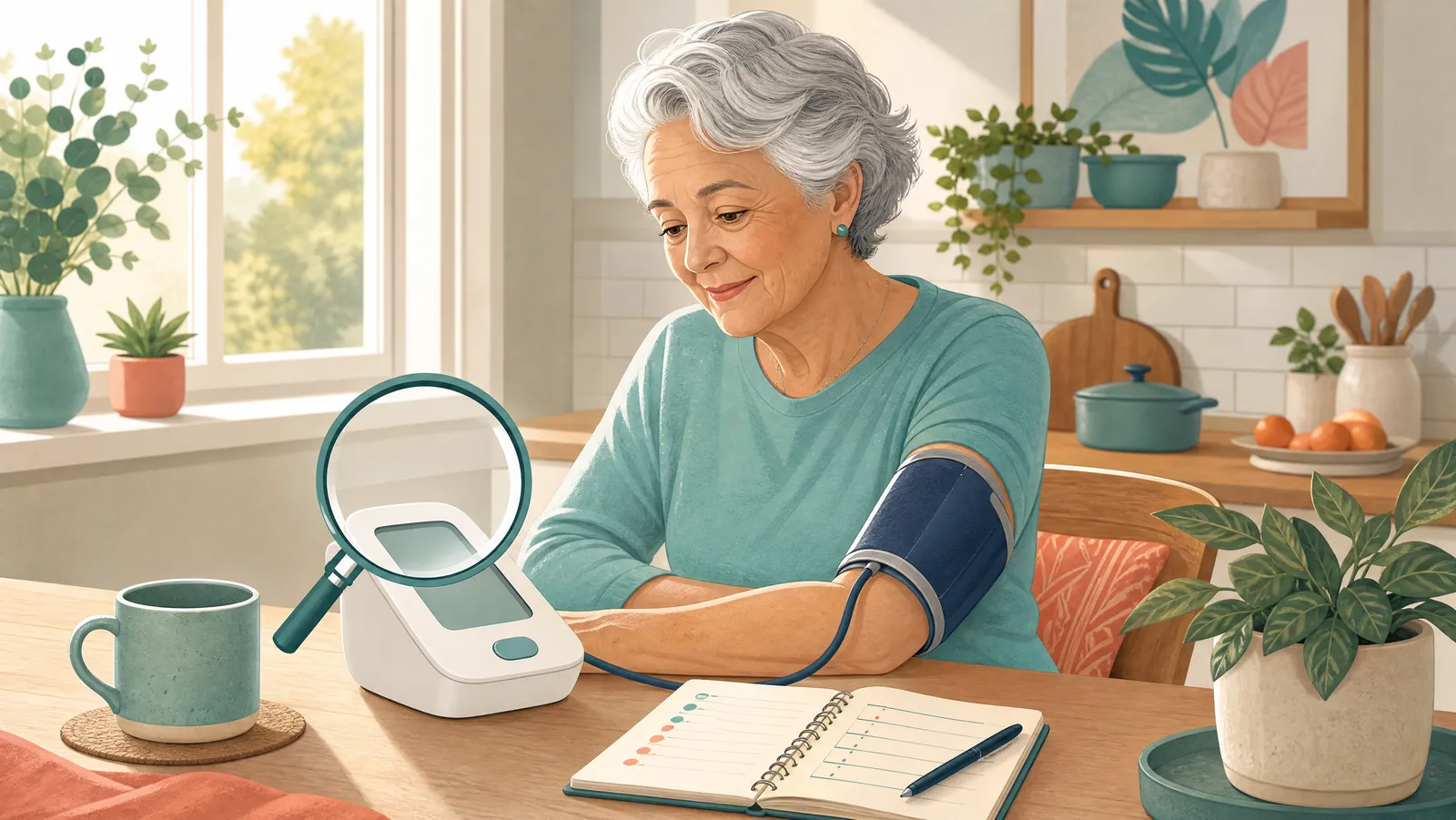
Are Home Blood Pressure Monitors Accurate? What the Evidence Says
Are home blood pressure monitors accurate? Validated upper-arm models are — but most devices sold online never passed testing. Here's how to check yours.
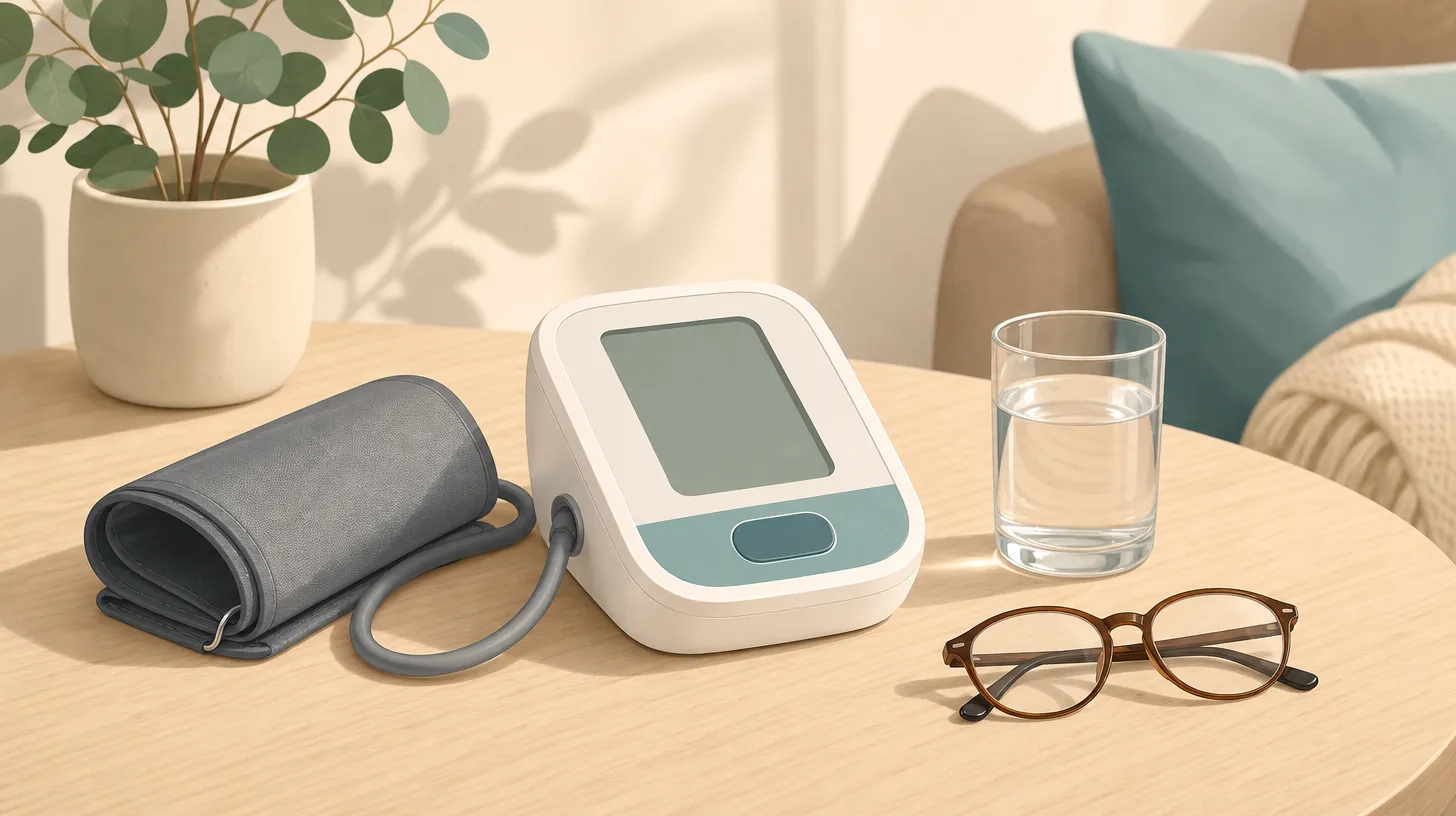
The Best Home Blood Pressure Monitors of 2026
Our picks for the best home blood pressure monitor in 2026, from validated Omron accuracy to big-screen and smart models, plus how to get a reliable reading.
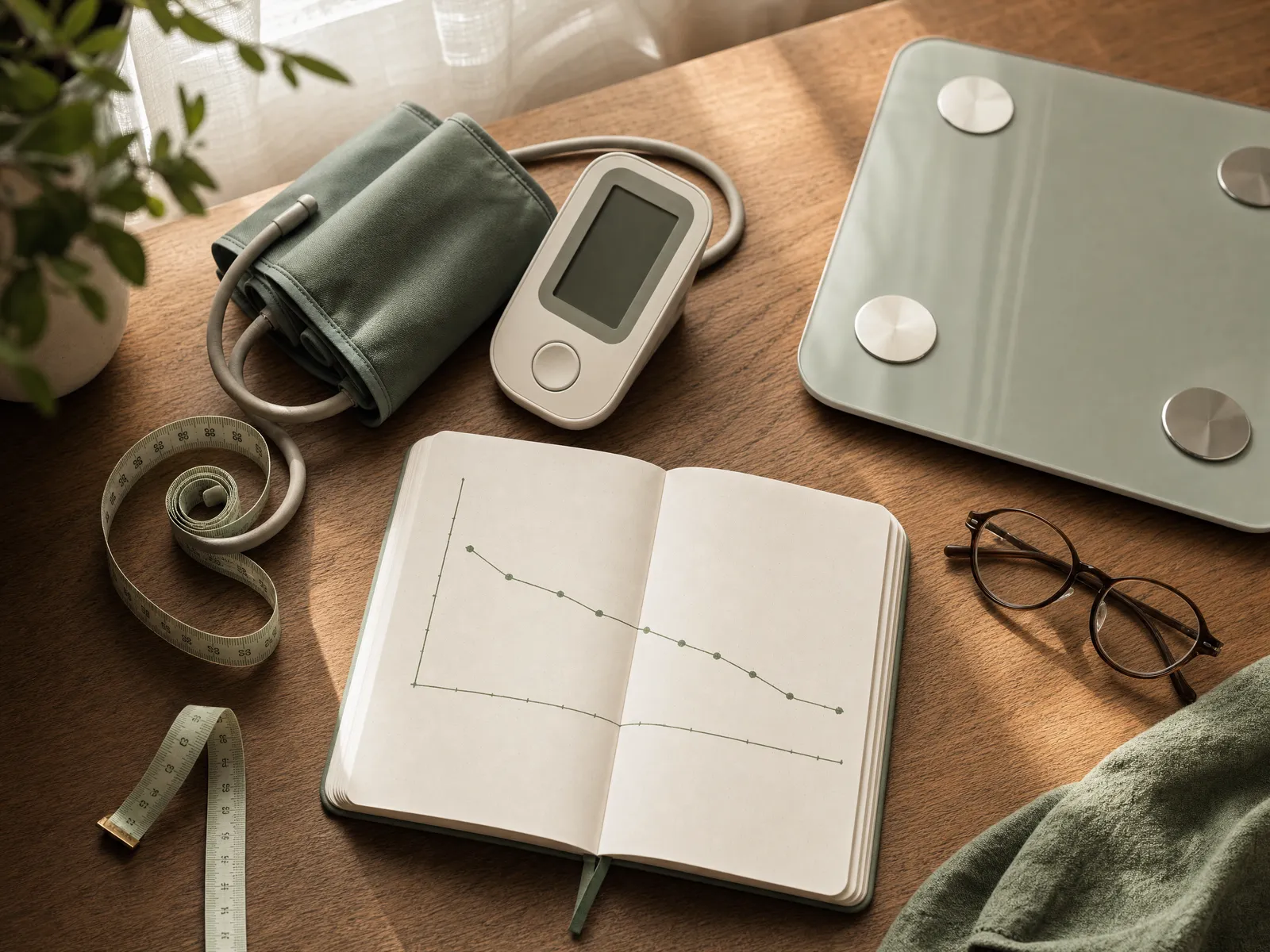
Which Health Numbers Are Worth Tracking at Home After 50?
The health metrics to track at home after 50 — blood pressure, resting heart rate, weight trend, waist-to-height ratio — and which numbers to skip.