Hearing
Hearing Loss and Dementia Risk: What the Research Actually Shows
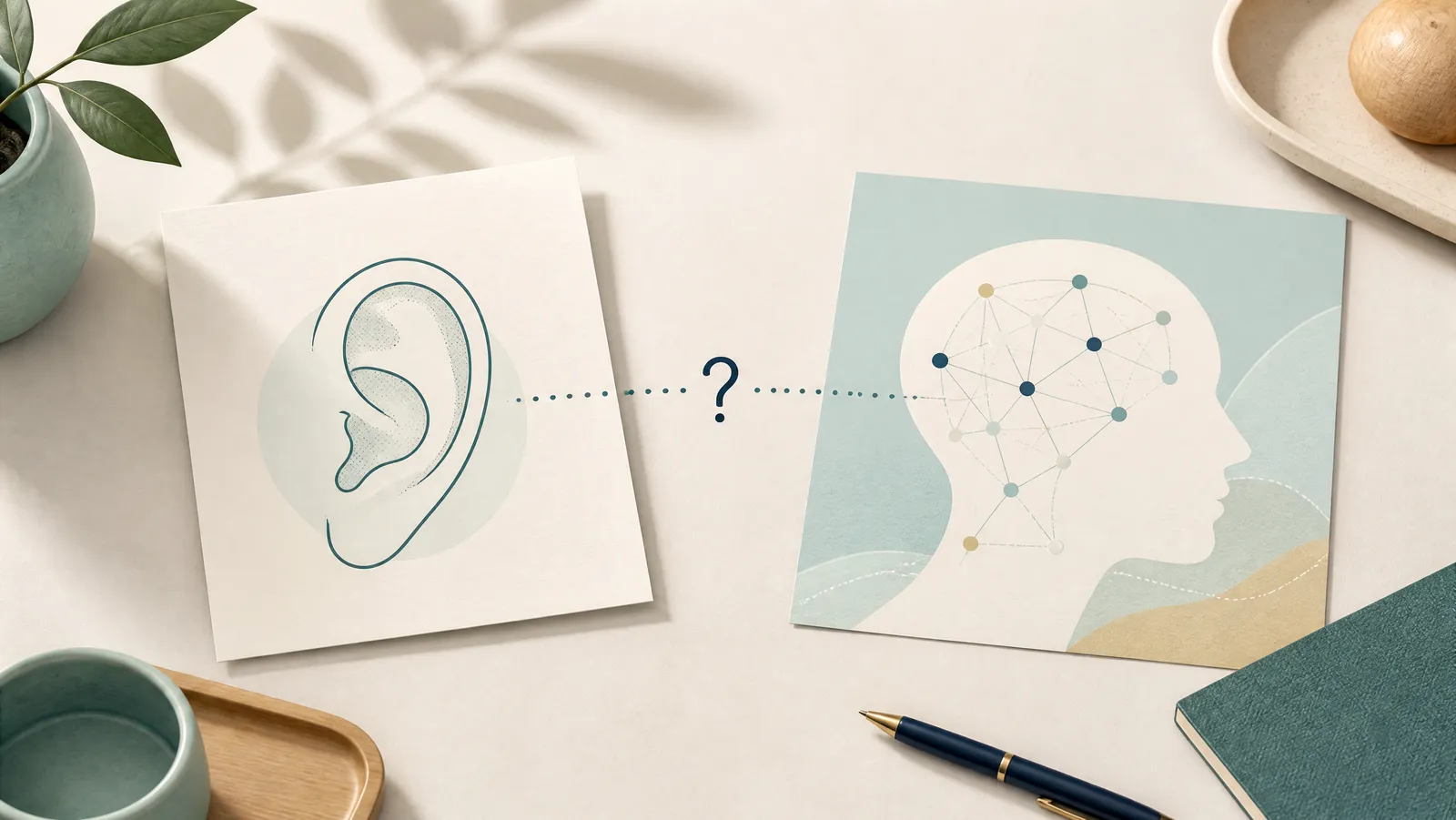
Does hearing loss cause dementia? The link is real and large, but the only randomized trial was null overall. Here is what the evidence supports.
Mary Burson12 min
Over-the-counter hearing aids and hearing health after 50 — what the FDA category actually covers, how OTC compares with prescription, and which devices are worth the money.
Does hearing loss cause dementia? The link is real and large, but the only randomized trial was null overall. Here is what the evidence supports.
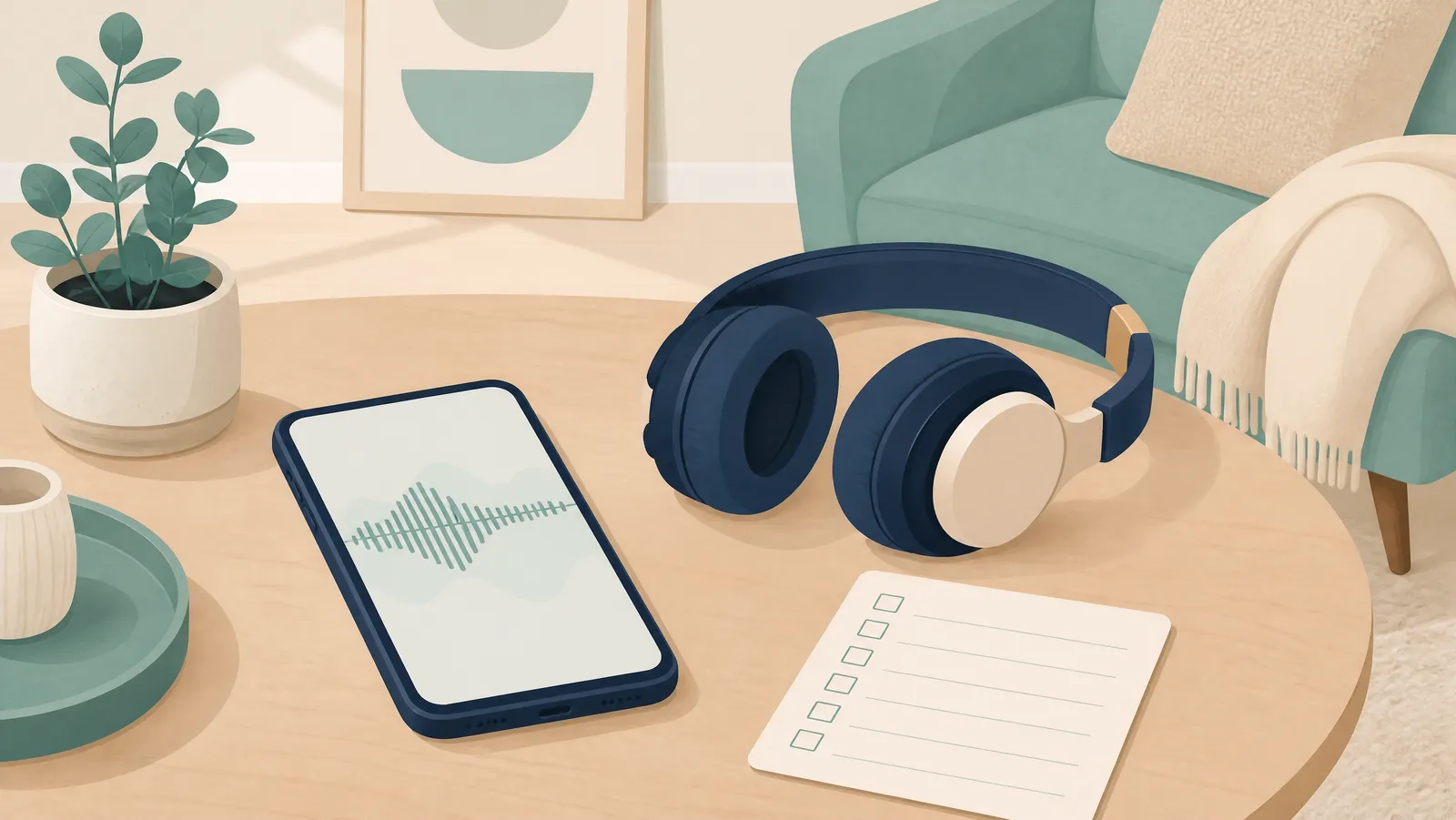
How to test your hearing at home in about 20 minutes: a validated speech-in-noise test, the self-check questions, and the results that mean see a clinician.

Are OTC hearing aids FSA eligible? Yes, and HSA too. Original Medicare is a flat no, Medicare Advantage usually helps. Here is how to pay for them in 2026.
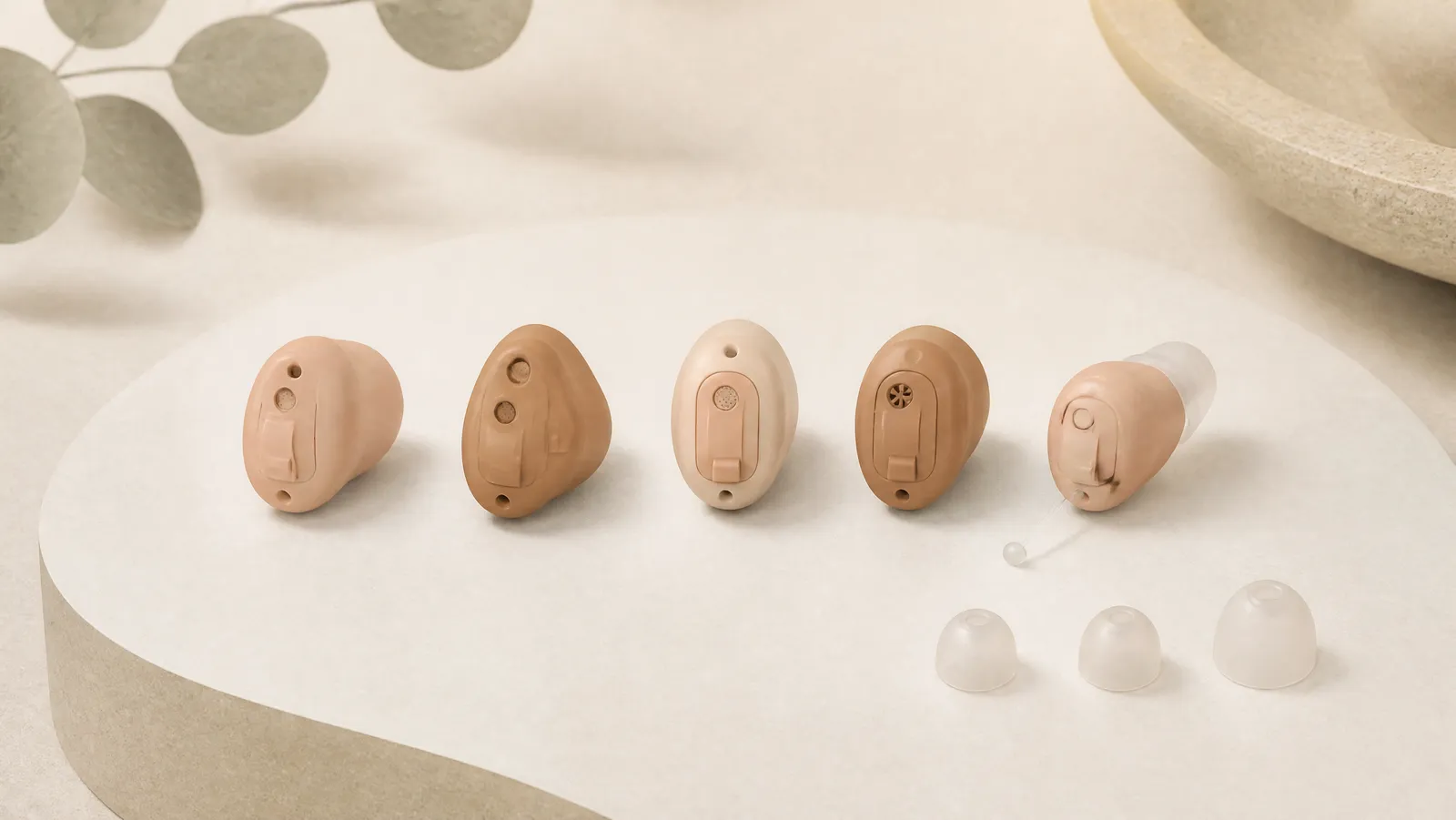
Invisible OTC hearing aids do not really exist, but some are genuinely discreet. Five in-canal picks for 2026, and what going smaller actually costs you.
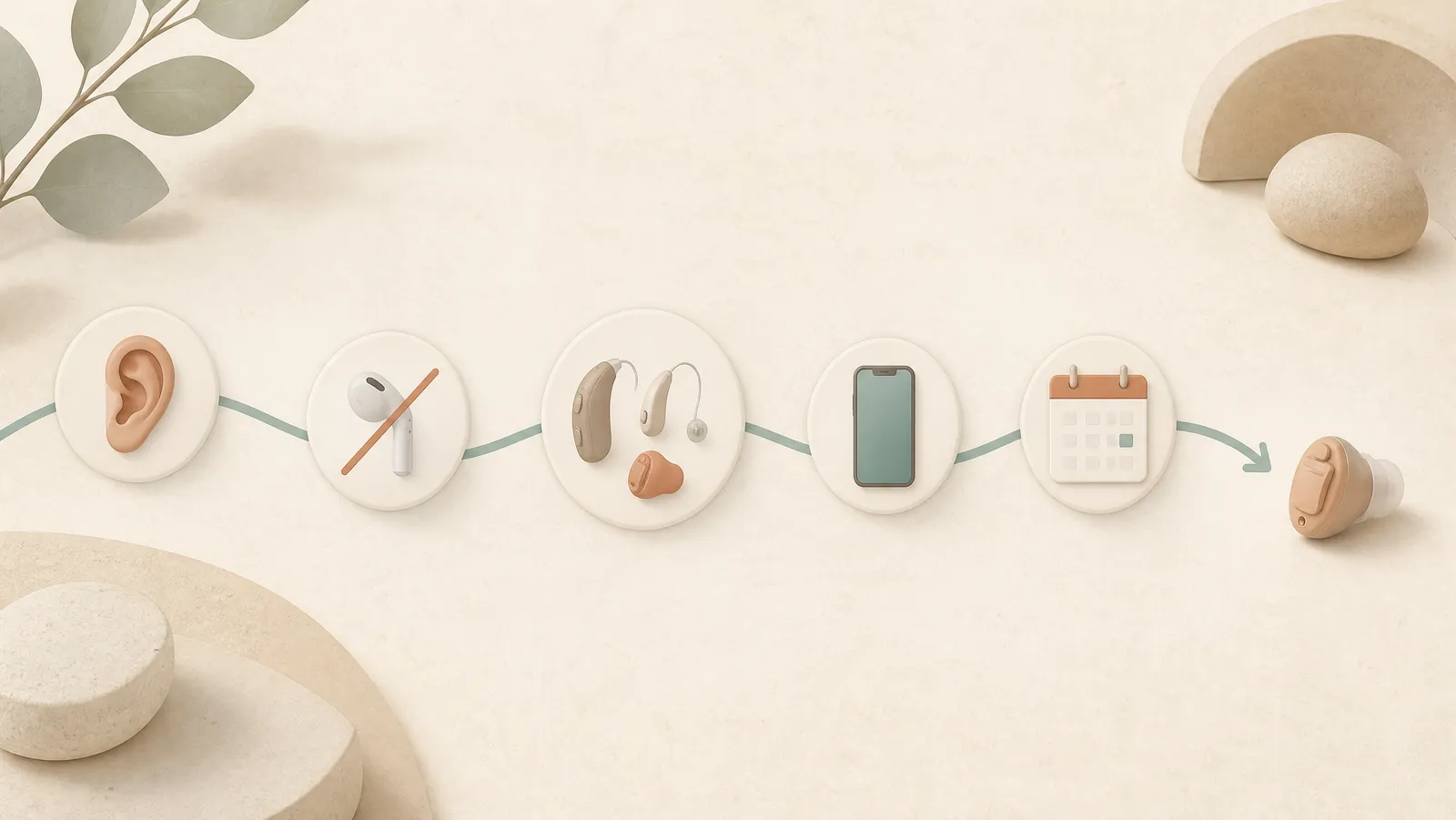
How to choose OTC hearing aids in five steps: confirm the category fits, pick a style you will wear, decide on an app, and check the return window first.
OTC hearing aids for severe hearing loss are outside the FDA category, which covers perceived mild to moderate loss. Here is where the line sits, and why.
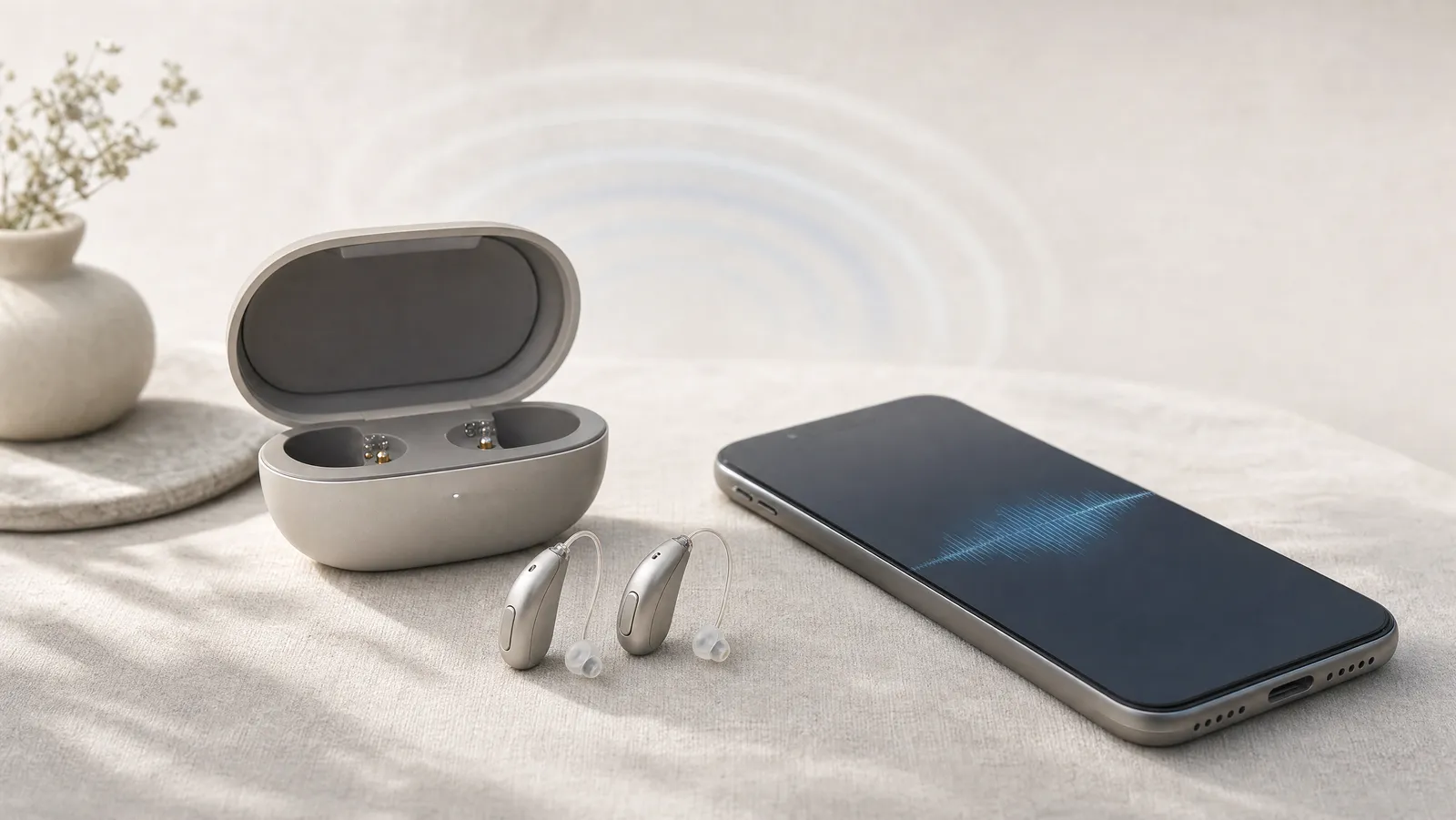
The best OTC hearing aids with Bluetooth in 2026: which ones truly stream calls and music, which use Bluetooth only for a phone app, and how to tell.
Do OTC hearing aids work? Trials say yes for adults with mild to moderate loss, roughly matching a clinic fit. Here is the evidence, and where it stops.

OTC hearing aids for tinnitus: amplification may make ringing less intrusive if you also have hearing loss, but no OTC device treats tinnitus. The evidence.
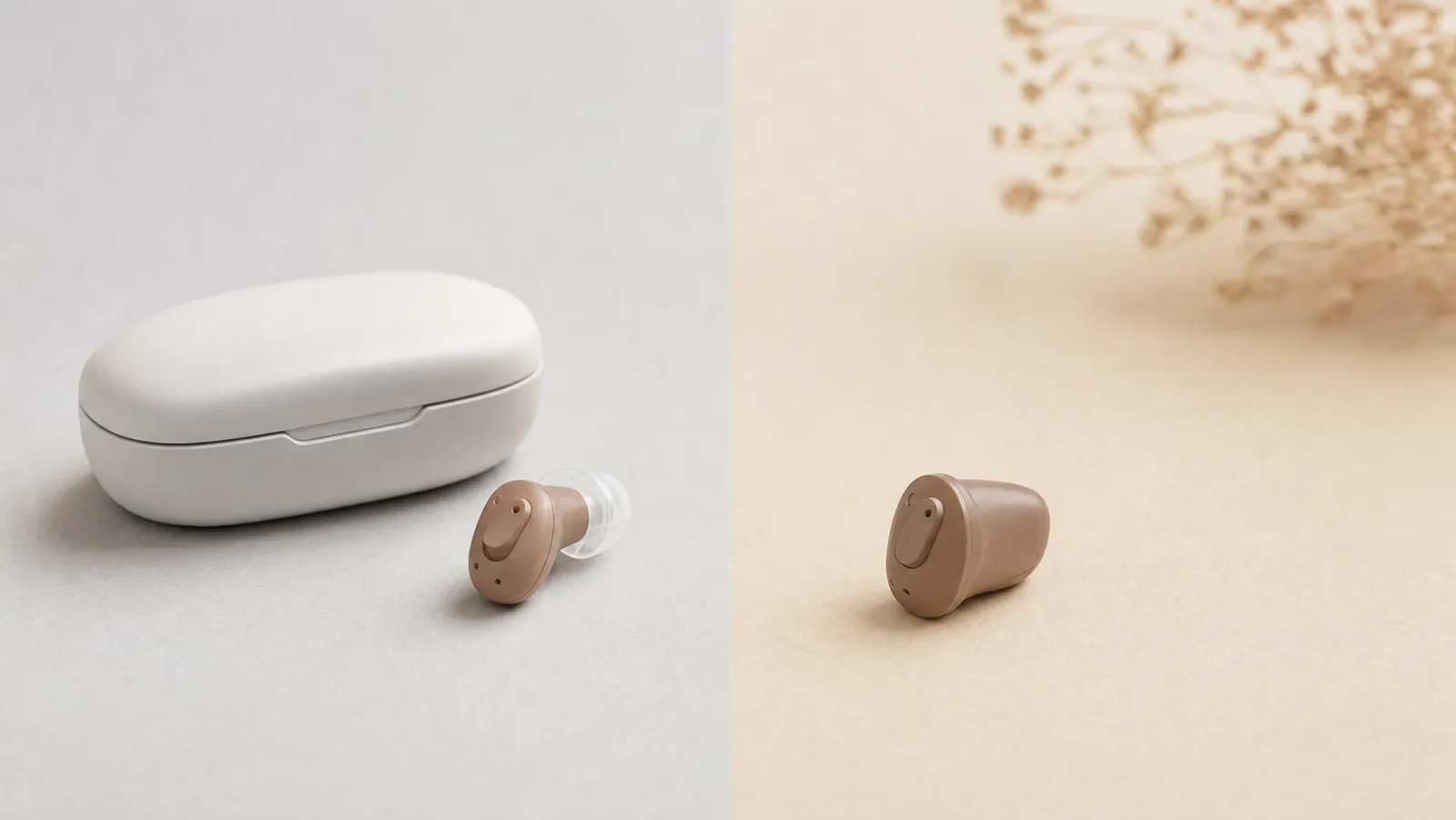
OTC hearing aids vs sound amplifier: one is a regulated medical device with legal output limits, the other is a gadget. Here is how to tell them apart.
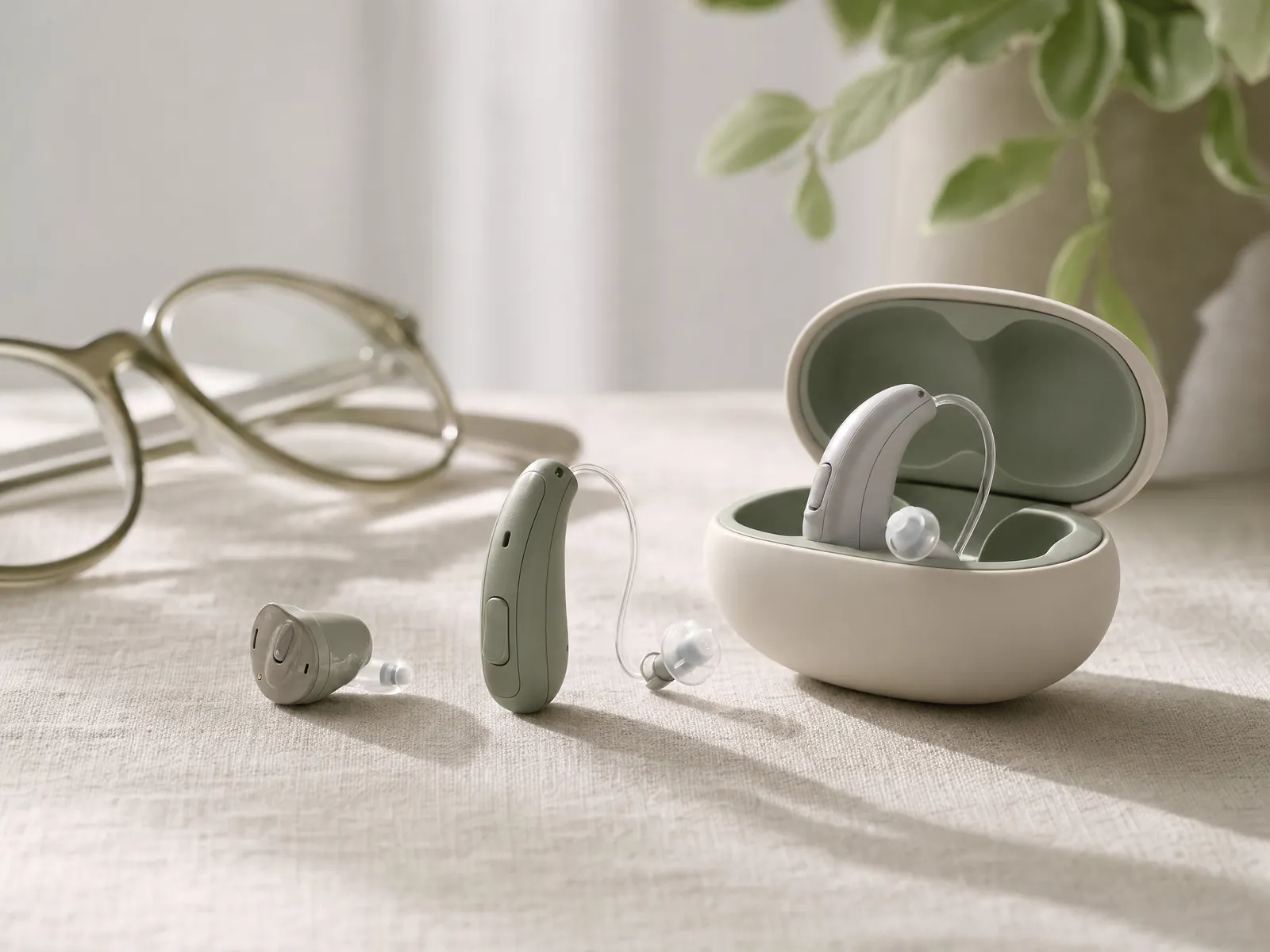
The best OTC hearing aids of 2026, compared on price, fit and app control, plus what the FDA rule covers and when to see an audiologist instead.
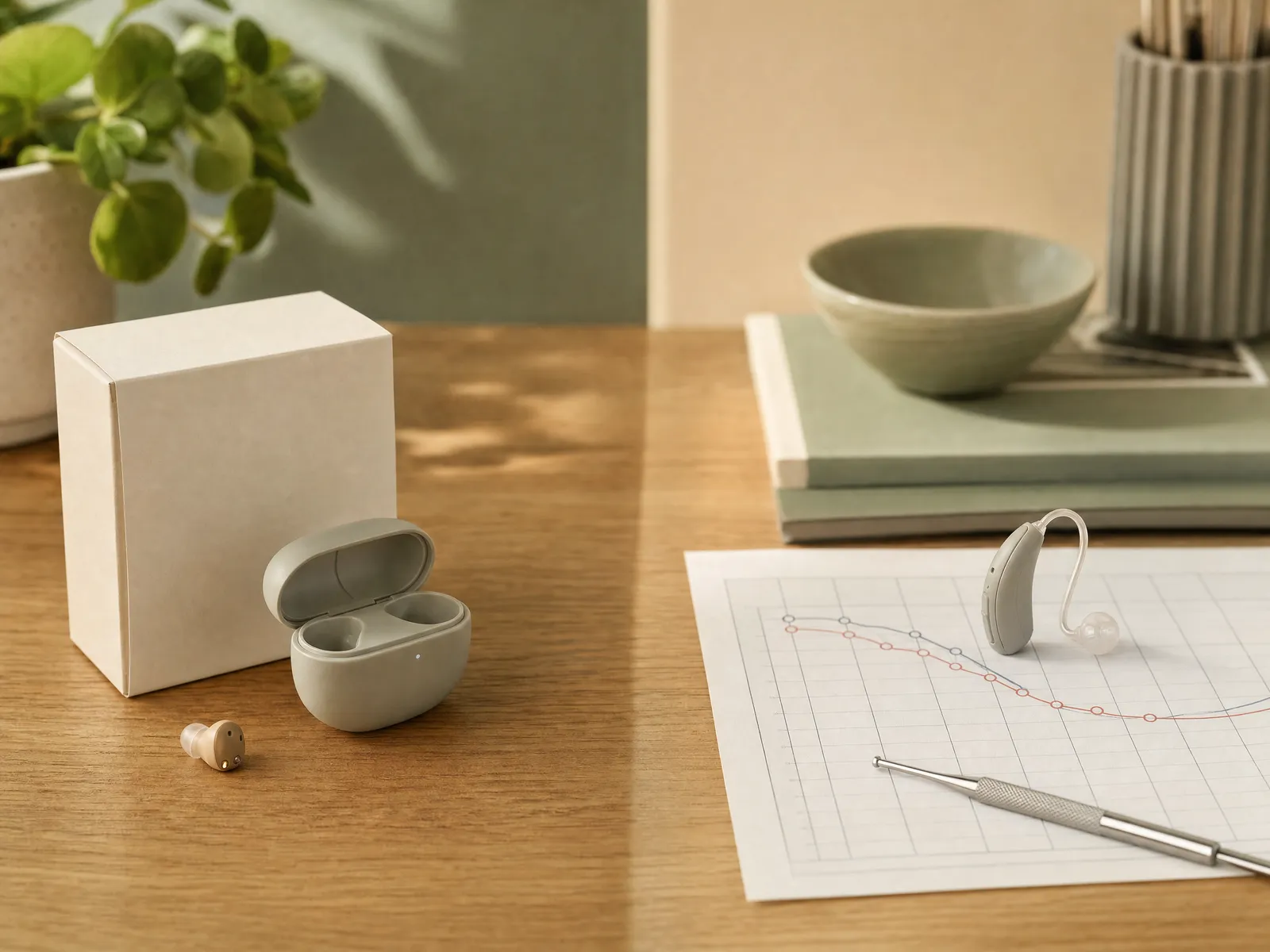
OTC hearing aids vs prescription hearing aids: OTC fits adults with perceived mild to moderate loss. Here is who should buy which, and what each costs.