Hearing
OTC Hearing Aids and Severe Hearing Loss: Where the Limit Is
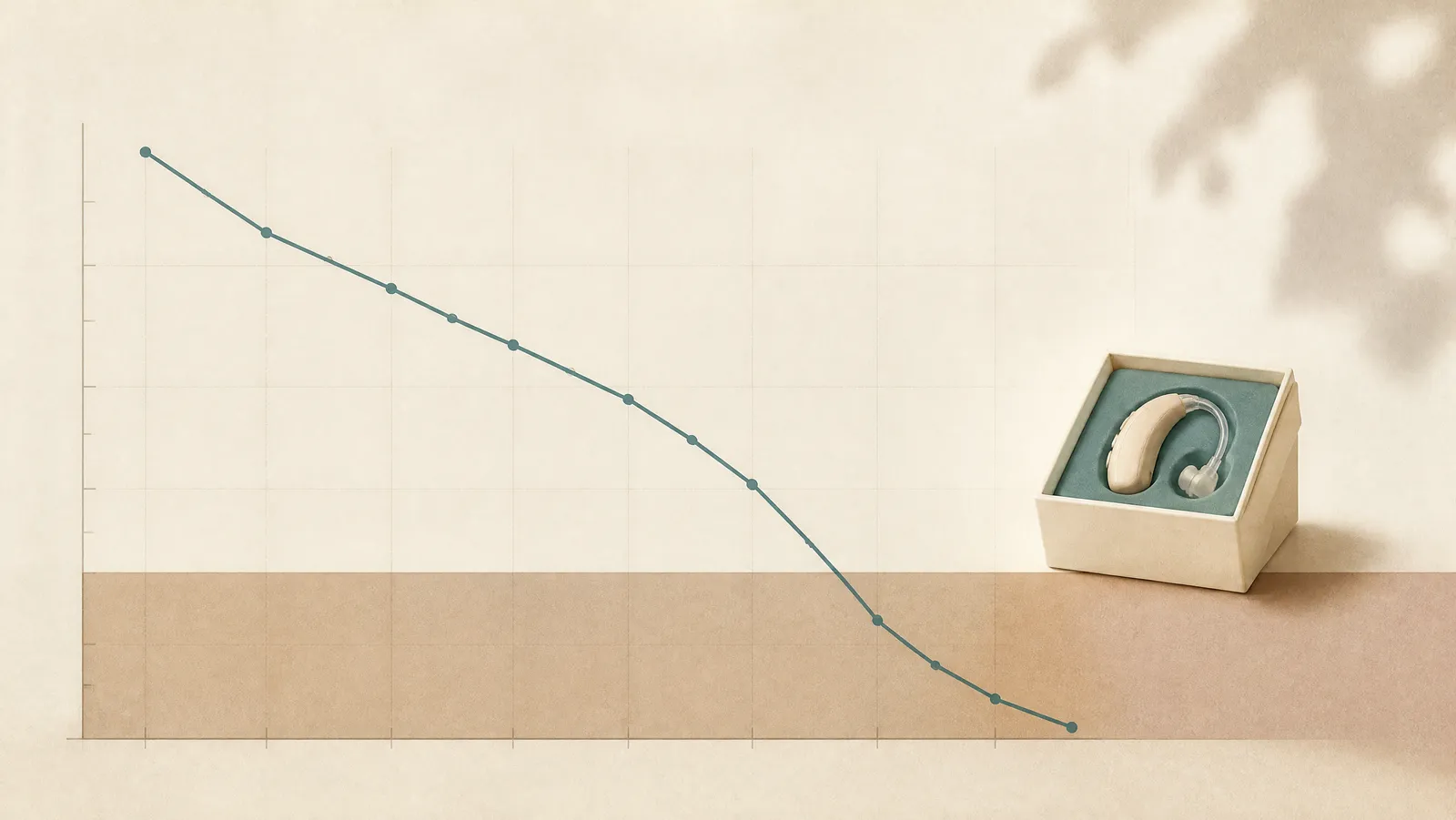
OTC hearing aids for severe hearing loss are outside the FDA category, which covers perceived mild to moderate loss. Here is where the line sits, and why.
Mary Burson12 min
OTC hearing aids for severe hearing loss are outside the FDA category, which covers perceived mild to moderate loss. Here is where the line sits, and why.
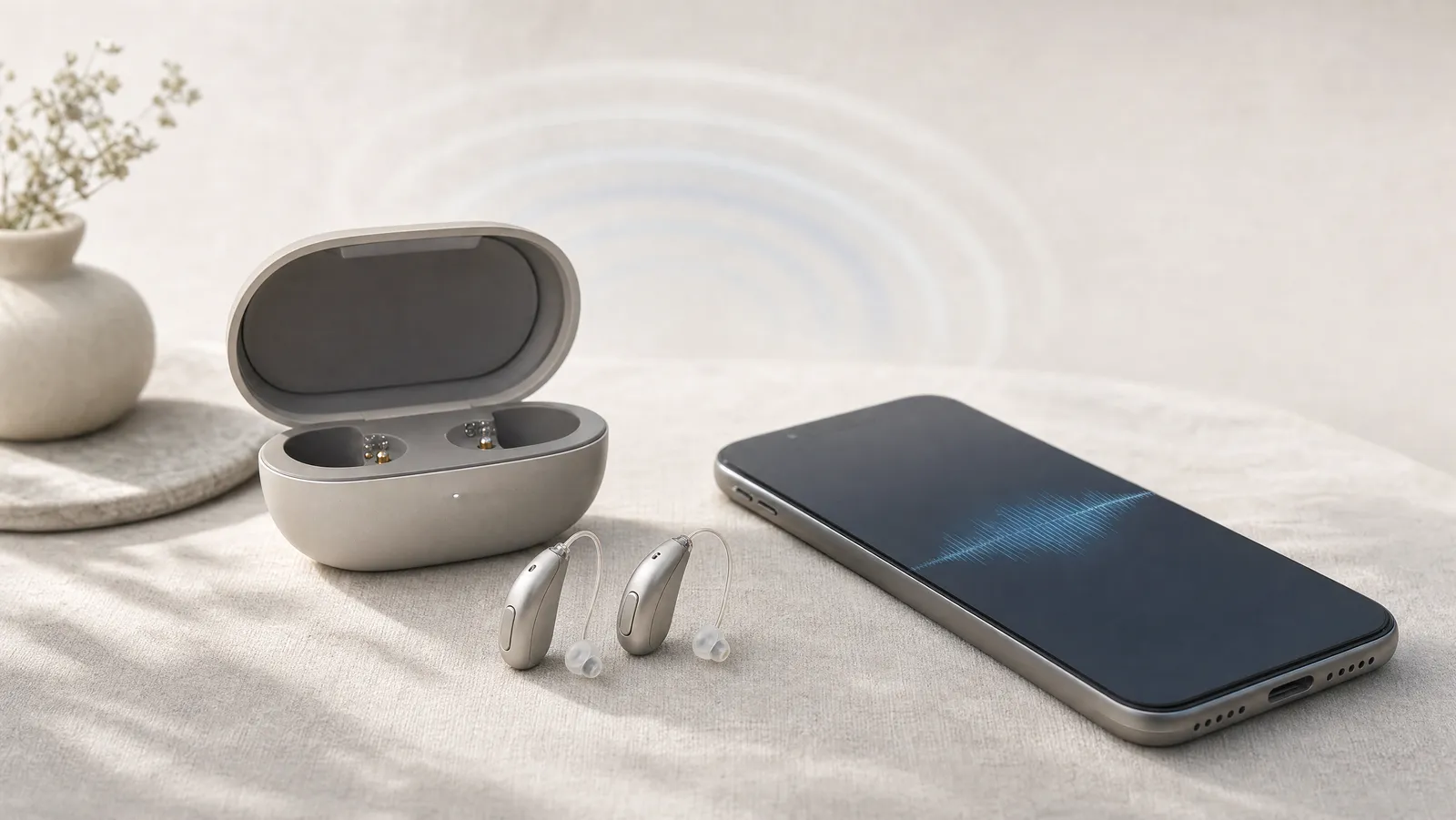
The best OTC hearing aids with Bluetooth in 2026: which ones truly stream calls and music, which use Bluetooth only for a phone app, and how to tell.

Do OTC hearing aids work? Trials say yes for adults with mild to moderate loss, roughly matching a clinic fit. Here is the evidence, and where it stops.

OTC hearing aids for tinnitus: amplification may make ringing less intrusive if you also have hearing loss, but no OTC device treats tinnitus. The evidence.
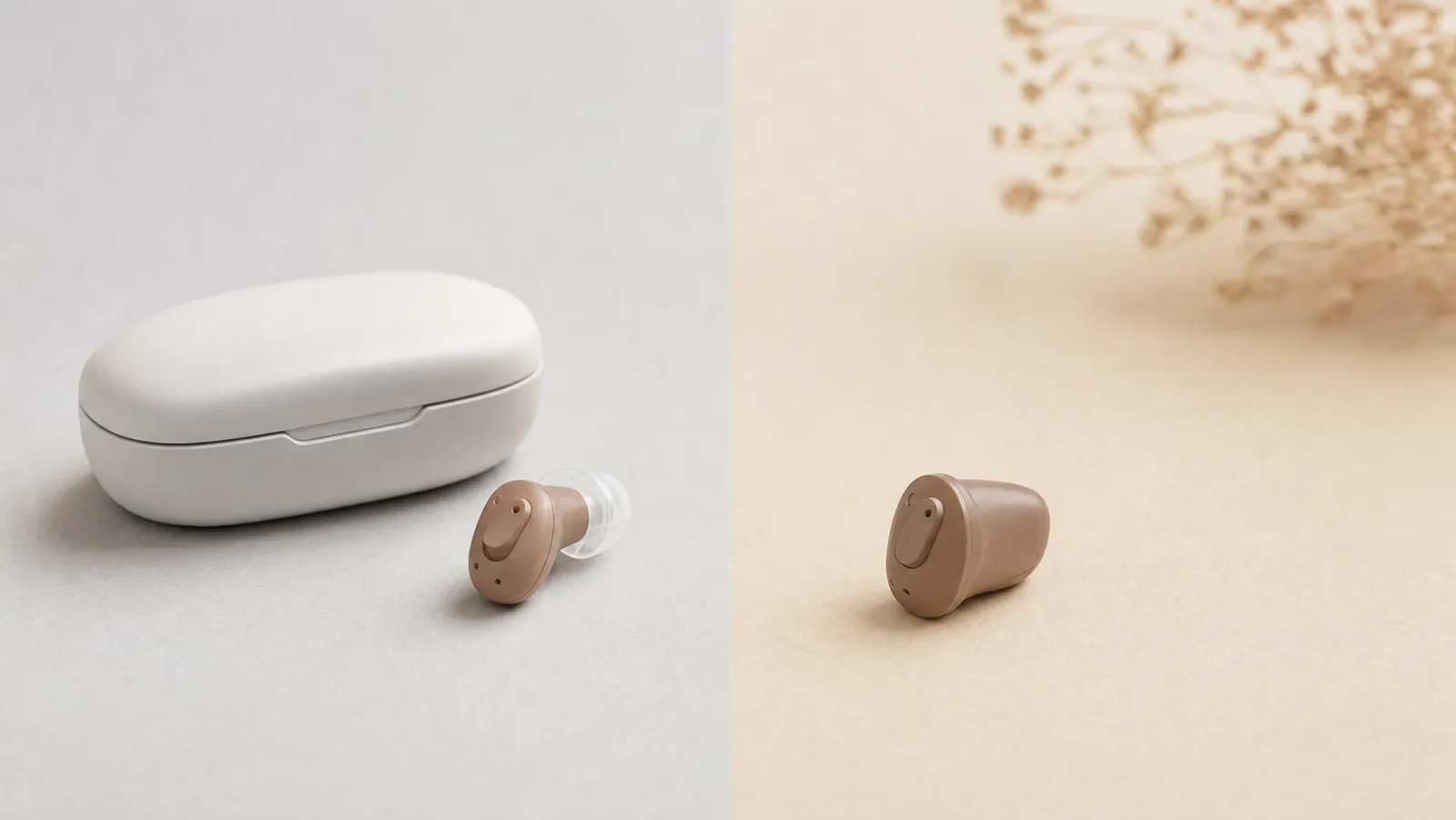
OTC hearing aids vs sound amplifier: one is a regulated medical device with legal output limits, the other is a gadget. Here is how to tell them apart.
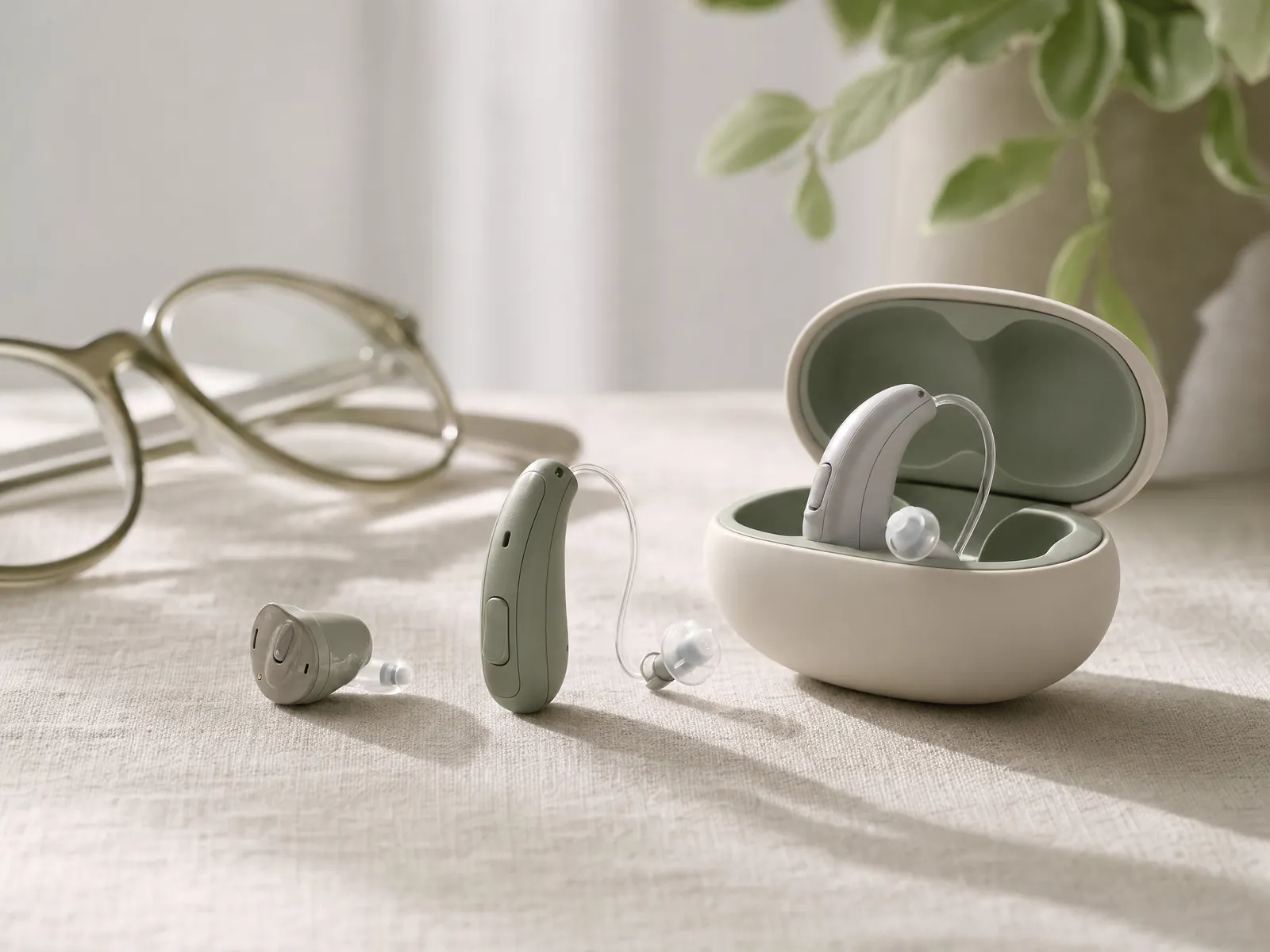
The best OTC hearing aids of 2026, compared on price, fit and app control, plus what the FDA rule covers and when to see an audiologist instead.
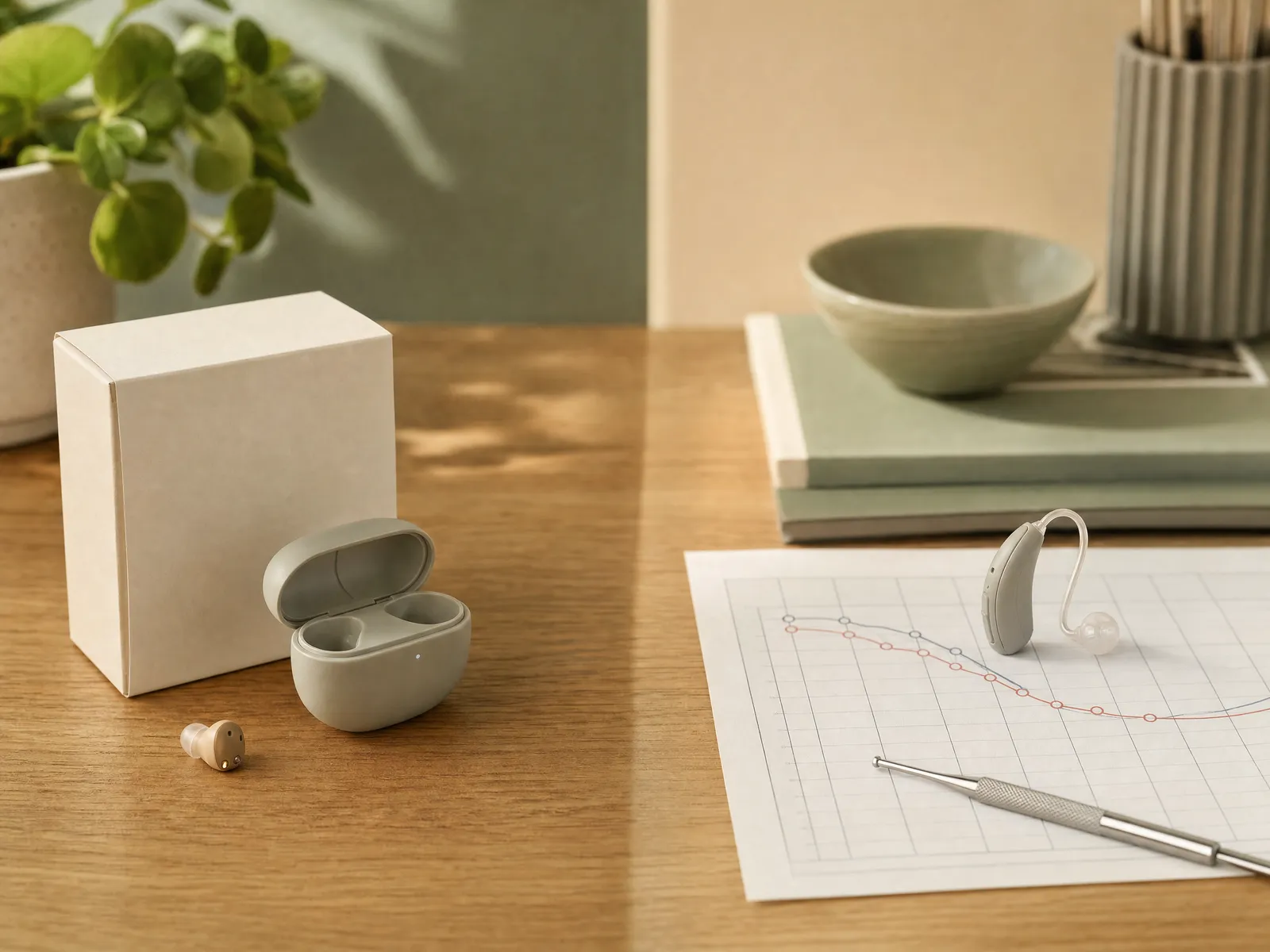
OTC hearing aids vs prescription hearing aids: OTC fits adults with perceived mild to moderate loss. Here is who should buy which, and what each costs.
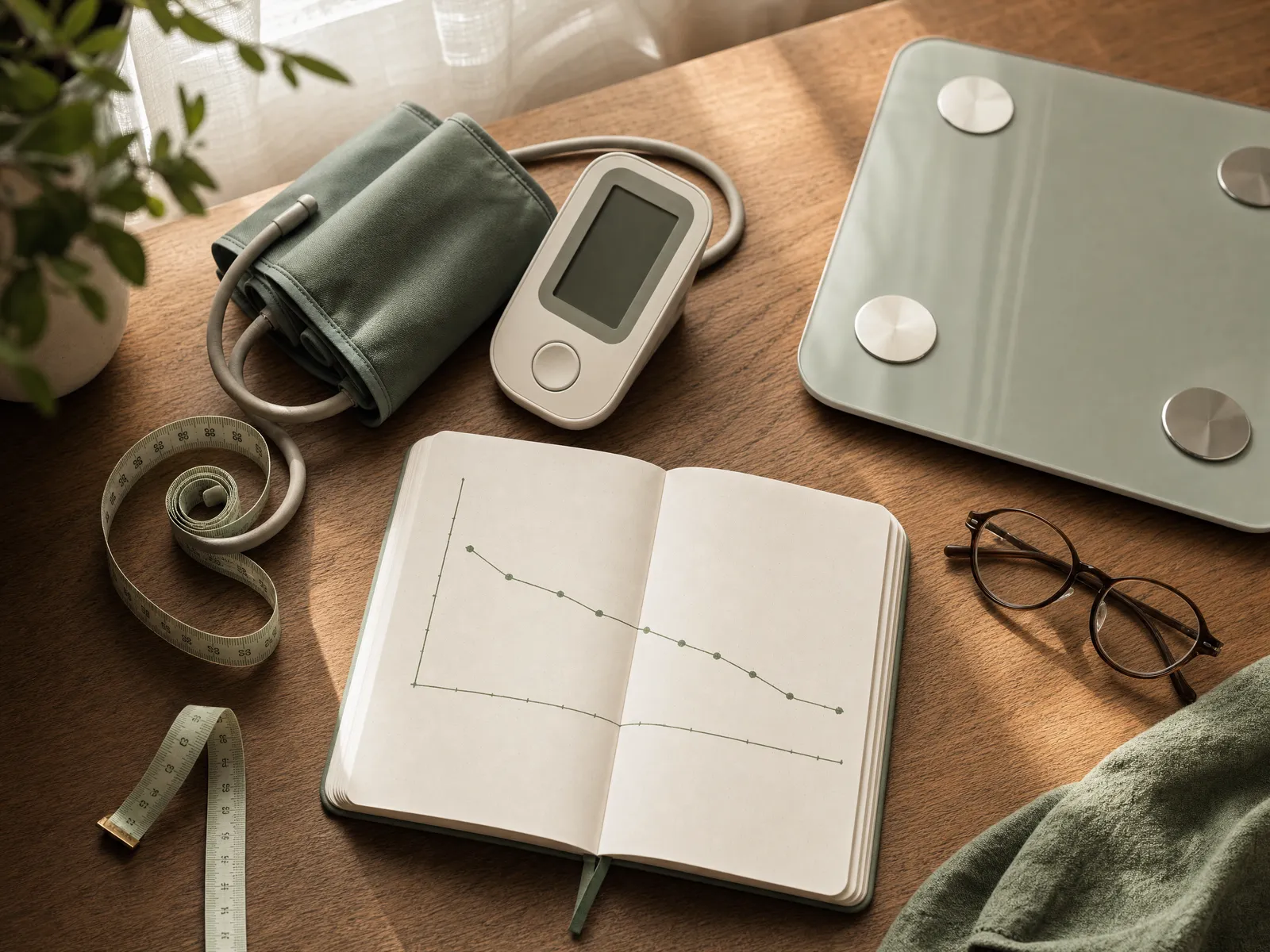
The health metrics to track at home after 50 — blood pressure, resting heart rate, weight trend, waist-to-height ratio — and which numbers to skip.
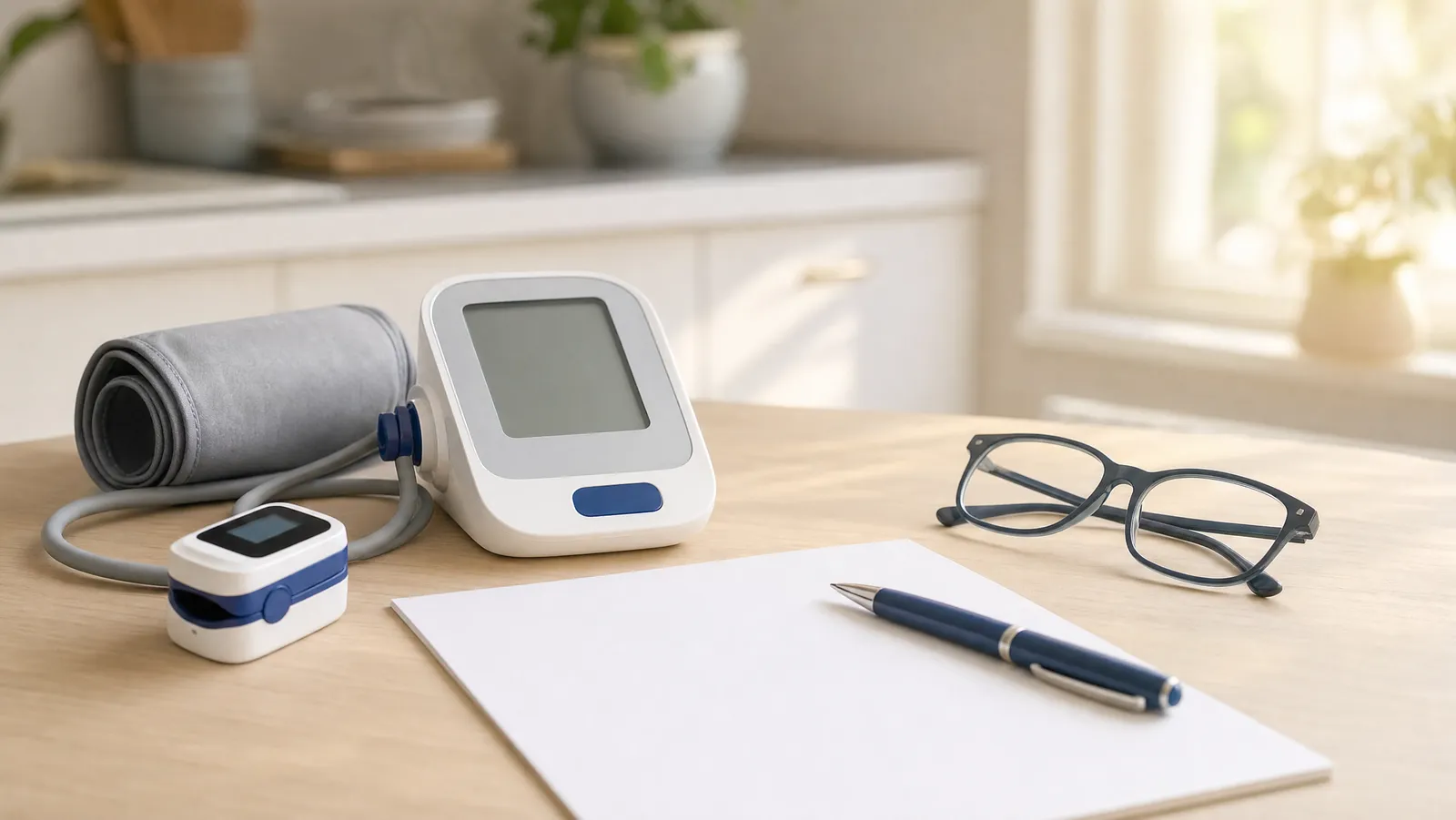
Are home health monitoring devices covered by Medicare? Usually not. But FSA and HSA dollars cover far more. Here is what each program actually pays for.